


What Is a Reusable Bottle and Why It Matters
Plastic bottle pollution has become a global concern, with over 1 million bottles sold every minute, far surpassing the american rate of soda consumption in the past century. For health-conscious European millennials, choosing a reusable bottle is more than a trend, it reflects a commitment to wellness and sustainability. This guide reveals what reusable bottles truly offer, busts common myths, and shows how to make smarter choices during the Black Friday sale season.
Table of Contents
- Reusable Bottle Meaning And Common Myths
- Popular Materials And Bottle Types Compared
- Eco-Friendly And Health Benefits Explained
- Practical Use, Care, And Hygiene Tips
- Cost Savings And Sustainable Lifestyle Impact
Key Takeaways
| Point | Details |
|---|---|
| Reusable Bottles Reduce Waste | Switching to reusable bottles significantly decreases plastic waste and environmental impact. |
| Cost-Effective Solution | Investing in a reusable bottle can save individuals hundreds of dollars over time compared to single-use bottles. |
| Health Benefits | Many reusable bottles are made from safer materials, reducing the risk of harmful chemicals leaching into beverages. |
| Easy Maintenance | Regular cleaning practices, like using vinegar, are essential to maintain hygiene and prevent bacterial buildup in reusable bottles. |
Reusable Bottle Meaning and Common Myths
A reusable bottle represents a sustainable hydration solution designed for multiple uses, challenging traditional single-use container models. Unlike disposable alternatives, these bottles are engineered to withstand repeated washing and refilling, offering an environmentally conscious approach to daily drinking needs. Facts about plastic bottles reveal that switching to reusable containers can dramatically reduce plastic waste and personal environmental impact.
Historically, bottle reuse was standard practice, with glass milk bottles and mason jars routinely collected, cleaned, and redistributed. However, the late 20th century saw a shift towards single-use designs driven by cost-reduction strategies. Modern reusable bottles represent a return to sustainable consumption patterns, typically constructed from durable materials like stainless steel, glass, or high-grade plastics that can withstand repeated cleaning and usage.
Contrary to popular misconceptions, reusable bottles are not just environmentally friendly but also economically smart. Research indicates they can save substantial money over time, with an average lifespan extending up to 12 years. Myths about hygiene and inconvenience are quickly dispelled when consumers understand proper maintenance techniques. In fact, tap water in many regions undergoes more rigorous safety testing than bottled water, making reusable bottles a healthier alternative to disposable plastic containers.
Pro tip: Clean your reusable bottle with a mixture of white vinegar and warm water weekly to prevent bacterial buildup and maintain optimal hygiene.
Popular Materials and Bottle Types Compared
Reusable water bottles come in a diverse range of materials, each with unique characteristics and environmental implications. Sustainability research reveals that the choice of bottle material significantly impacts both performance and ecological footprint. Plastic, stainless steel, and glass represent the most common options, each offering distinct advantages for health-conscious consumers.
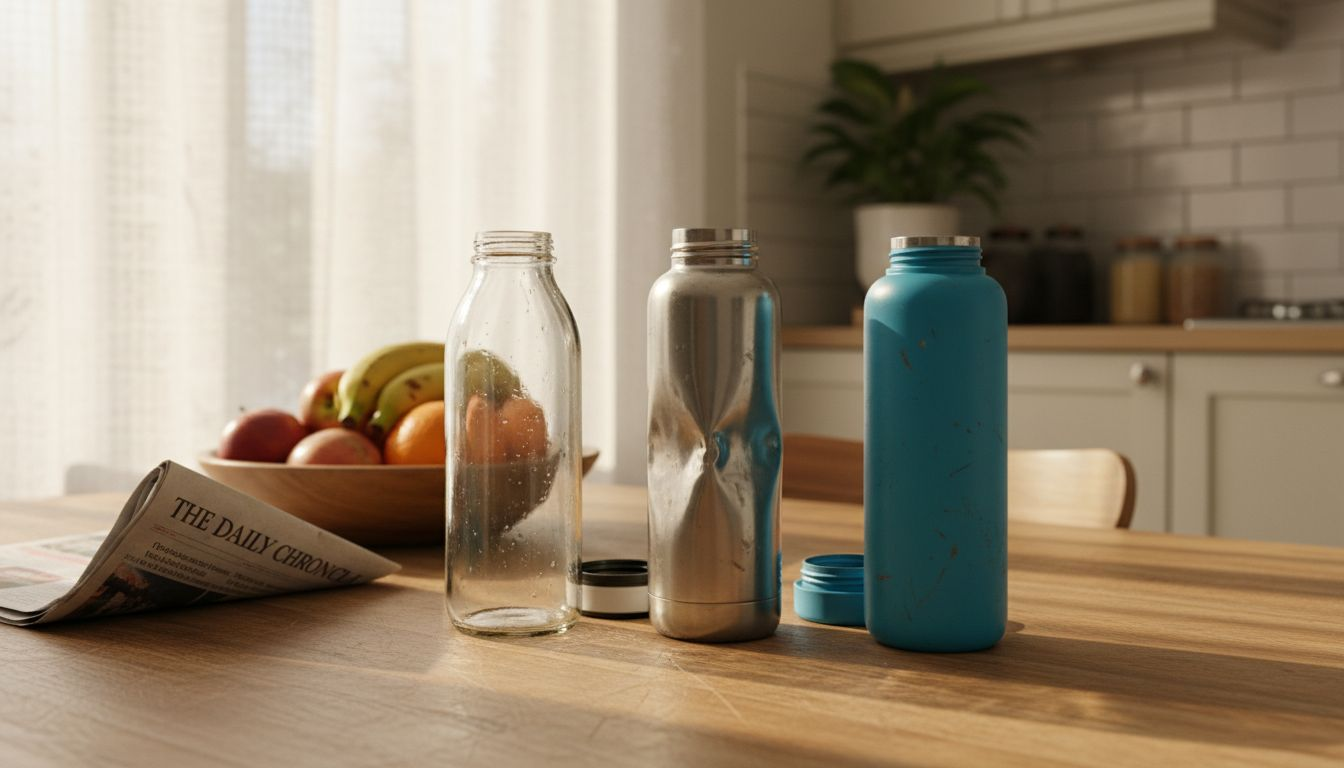
Plastic bottles, typically made from polycarbonate or copolyester, are lightweight and affordable but raise concerns about potential chemical leaching. Stainless steel bottles provide superior durability and temperature retention, making them ideal for active lifestyles. Glass bottles offer the purest drinking experience with zero flavor transfer, though they are more fragile and heavier. Aluminum bottles present an interesting middle ground, with a relatively high carbon footprint during production that can be offset through long-term use.
The environmental impact of bottle materials extends beyond initial production. Aluminum and stainless steel bottles can be recycled multiple times, creating a more sustainable lifecycle. Plastic bottles, particularly those derived from fossil fuels, contribute more significantly to greenhouse gas emissions. Innovative manufacturers are now exploring alternative materials and production techniques to reduce environmental consequences while maintaining bottle performance and safety.

Here’s a comparison of popular reusable bottle materials and their key advantages:
| Material | Durability | Health Safety | Environmental Impact |
|---|---|---|---|
| Stainless Steel | Highly durable | BPA-free, safe | Easily recycled, low waste |
| Glass | Fragile but pure | No chemical leaching | Recyclable, minimal impact |
| Plastic | Moderately durable | May leach chemicals | Higher emissions, less recycled |
| Aluminum | Lightweight, strong | Food-grade coatings needed | High energy to produce, recyclable |
Pro tip: When selecting a reusable bottle, consider your primary usage - sports, office, travel - to choose the most appropriate material and design for your specific needs.
Eco-Friendly and Health Benefits Explained
Reusable water bottles represent far more than a trendy accessory - they are a critical tool in combating environmental degradation. Environmental research demonstrates that switching from single-use plastics can dramatically reduce waste and pollution. By choosing reusable bottles, individuals directly contribute to protecting marine ecosystems, minimizing landfill accumulation, and reducing the massive carbon footprint associated with disposable plastic production.
The health benefits of reusable bottles extend beyond environmental conservation. Many high-quality reusable bottles are constructed from materials free of harmful chemicals like BPA, which can leach into beverages and potentially cause long-term health issues. Stainless steel and glass options provide clean, pure hydration without the risk of microplastic contamination common in disposable plastic bottles. Moreover, these bottles encourage increased water consumption by making hydration more convenient and appealing, supporting overall metabolic function and wellness.
Beyond individual impact, choosing reusable bottles represents a powerful collective action against environmental challenges. Each bottle can prevent hundreds of single-use plastic containers from entering waste streams annually. The manufacturing process for reusable bottles, while initially more resource-intensive, becomes exponentially more sustainable with repeated use. Innovative designs now focus on creating bottles from recycled materials, further reducing environmental strain and demonstrating how consumer choices can drive meaningful ecological change.
Pro tip: Calculate your personal plastic reduction by tracking how many single-use bottles you replace each month with a reusable alternative.
Practical Use, Care, and Hygiene Tips
Maintaining a clean reusable water bottle is crucial for preventing potential health risks. Comprehensive cleaning research reveals that improperly maintained bottles can become breeding grounds for harmful bacteria, mold, and potentially dangerous microorganisms. Daily cleaning is not just recommended - it’s essential for ensuring your hydration companion remains a healthy choice.
Effective bottle maintenance requires a systematic approach. Use hot, soapy water and a specialized bottle brush to clean all interior surfaces, paying special attention to hard-to-reach corners and crevices. Disassemble removable parts like lids and straws to ensure thorough cleaning. For deep sanitization, consider periodic treatments with natural disinfectants like white vinegar or baking soda, which can effectively eliminate bacterial buildup without introducing harsh chemicals.
Different bottle materials demand slightly varied care strategies. Stainless steel bottles tolerate more aggressive cleaning methods, while glass and plastic options require gentler approaches. Always allow your bottle to air dry completely after washing to prevent moisture-related bacterial growth. Avoid storing bottles with closed lids in damp environments, as this creates an ideal conditions for microbial proliferation. Regular inspection for wear, cracks, or unusual odors can help you maintain your bottle’s integrity and prevent potential health complications.
Pro tip: Invest in a bottle cleaning set with multiple brush sizes to ensure you can effectively clean every nook and cranny of your reusable water bottle.
Cost Savings and Sustainable Lifestyle Impact
Market research on reusable water bottles demonstrates a powerful economic and environmental narrative. The global reusable bottle market has already reached $9.70 billion in 2024, reflecting a substantial shift towards sustainable consumer behavior. By investing in a single high-quality reusable bottle, individuals can potentially save hundreds of dollars annually that would otherwise be spent on disposable plastic water containers.
The financial benefits extend far beyond immediate cost savings. Tap water remains significantly cheaper than bottled water, and a well-maintained reusable bottle can last several years. This long-term approach not only reduces personal expenses but also minimizes environmental impact. Each reusable bottle prevents hundreds of single-use plastic containers from entering waste streams, representing a tangible contribution to reducing global plastic pollution and supporting more sustainable consumption patterns.
Consider these practical comparisons to assess the overall benefits of switching to reusable bottles:
| Factor | Single-Use Bottle | Reusable Bottle | Long-Term Impact |
|---|---|---|---|
| Cost Over Time | $300+/year | $20-$50 (one-time) | Saves hundreds yearly |
| Plastic Waste | High | Minimal | Reduces landfill waste |
| Health Concerns | Microplastic risk | Safer materials | Fewer health risks |
| Convenience | Must repurchase | Easy to refill | Promotes daily use |
Beyond individual economic advantages, choosing reusable bottles contributes to a broader cultural shift towards sustainability. As consumers become more environmentally conscious, their purchasing decisions drive market innovations and corporate accountability. The ripple effect of choosing reusable products extends beyond personal savings, influencing manufacturing practices, waste management strategies, and global environmental policies. By making this simple lifestyle choice, individuals become active participants in a more sustainable future, demonstrating how personal decisions can create meaningful systemic change.
Pro tip: Calculate your annual savings by tracking how much you would have spent on bottled water and compare it with your reusable bottle investment.
Make a Sustainable Switch with Reusable Bottles from Myequa
Choosing the right reusable bottle is essential for embracing a healthier lifestyle and reducing environmental impact as highlighted by the article. You want a bottle that is both safe and durable while eliminating wasteful single-use plastics that harm our planet. With concerns around hygiene, material safety, and long-term savings, finding a trusted source that offers BPA-free and high-quality options is key to taking the next step in sustainable hydration.
Discover a curated selection of Bpa free water bottles by EQUA designed to meet your health and wellness needs while helping you save money and lessen plastic pollution. From stainless steel to glass designs, these bottles are crafted to last and keep your hydration pure. Take advantage of unbeatable deals in our Black Friday collection to start your eco-friendly journey with style and savings.
Don’t wait to transform your daily routine into an environmentally responsible habit. Visit Myequa.com and explore sustainable options that empower you to stay hydrated, healthy, and committed to the planet starting today.
Frequently Asked Questions
What is a reusable bottle?
A reusable bottle is a sustainable drinking container designed for multiple uses, typically made from durable materials like stainless steel, glass, or high-grade plastics. Unlike single-use bottles, they can be washed and refilled, offering an eco-friendly hydration solution.
What materials are commonly used for reusable bottles?
Reusable bottles are primarily made from three materials: stainless steel, glass, and plastic. Each material has its benefits, such as stainless steel being highly durable and excellent for temperature retention, glass providing a pure taste with no leaching, and plastic being lightweight and affordable.
How do reusable bottles contribute to environmental sustainability?
By switching from single-use plastic bottles to reusable ones, individuals can significantly reduce plastic waste, protect marine ecosystems, and decrease their carbon footprint. Each reusable bottle can prevent hundreds of single-use plastics from entering waste streams annually.
What are the best maintenance tips for keeping a reusable bottle clean?
To maintain your reusable bottle, clean it with hot, soapy water and a bottle brush regularly. It’s essential to disassemble removable parts for thorough cleaning, and periodically use natural disinfectants like vinegar to prevent bacterial buildup.
Recommended
- Reasons why we love borosilicate glass – EQUA - Sustainable Water Bottles
- Facts about plastic bottles – EQUA - Sustainable Water Bottles
- Lightweight Timeless Wonderland Bottle – EQUA - Sustainable Water Bottles
- Lightweight Timeless Game Bottle – EQUA - Sustainable Water Bottles
- Batterien recyceln: Alles, was Sie wissen sollten - accu.blog
Teilen
