


Role of Hydration in Fitness – Maximizing Performance and Recovery
Over 60 percent of American adults do not consistently meet their hydration needs during exercise. For anyone committed to fitness, the right hydration plan is as vital as proper training. Staying hydrated is not just about drinking when you feel thirsty. Understanding the science of hydration helps American athletes and everyday gym goers achieve better workouts, avoid dehydration risks, and support overall health.
Table of Contents
- Defining Hydration In Fitness Contexts
- How Hydration Impacts Physical Performance
- Dehydration Risks And Warning Signs
- Optimal Hydration Strategies For Workouts
- Hydration Needs For Different Fitness Activities
Key Takeaways
| Point | Details |
|---|---|
| Importance of Hydration | Effective hydration is crucial for optimizing physical performance and preventing dehydration-related complications. |
| Personalized Hydration Strategies | Hydration needs vary greatly among individuals and should be tailored based on exercise type, intensity, and environmental conditions. |
| Monitoring Hydration Status | Regularly assessing hydration levels, such as through urine color and sweat rate, can guide effective fluid replacement. |
| Hydration for Different Activities | Different fitness activities have unique hydration requirements that must be addressed to maintain performance and recovery. |
Defining Hydration in Fitness Contexts
Hydration in fitness represents a sophisticated physiological balancing act that goes far beyond simply drinking water. At its core, hydration refers to maintaining optimal body water levels to support complex physical performance mechanisms. Maintaining precise fluid balance ensures efficient cardiovascular, metabolic, and neurological functions during exercise.
The human body operates like an intricate mechanical system where water serves as the essential lubricant and transport medium. During physical activity, proper hydration enables critical processes such as temperature regulation, nutrient transportation, joint lubrication, and metabolic waste removal. Athletes and fitness enthusiasts must recognize that hydration isn’t a one-size-fits-all concept. Individual hydration strategies must be carefully tailored to specific environmental conditions, exercise intensity, and personal physiological characteristics.
Effective hydration management involves understanding several key components:
- Fluid intake volume
- Electrolyte balance
- Timing of water consumption
- Individual sweat rate
- Exercise duration and intensity
- Environmental temperature
Pro Tip - Hydration Assessment: Regularly monitor your urine color as a quick hydration status indicator. Light pale yellow signals good hydration, while dark amber suggests you need to increase fluid intake immediately.
Water Performance Pro: Keep track of your personal sweat rate by weighing yourself before and after workouts to precisely calculate fluid replacement needs.
How Hydration Impacts Physical Performance
Physical performance is deeply interconnected with hydration status, representing a critical relationship that can dramatically influence athletic effectiveness. Hypohydration can significantly decrease muscular strength, power output, and high-intensity endurance capabilities, making water management a fundamental aspect of fitness success.
The physiological impact of dehydration extends far beyond simple fatigue. When body water levels drop, multiple performance metrics suffer simultaneously. Dehydration exceeding 2% of body mass can compromise endurance exercise performance, elevate heat injury risks, and impair cognitive functions essential for athletic precision. This means that even minor fluid loss can transform a potentially record-breaking workout into a struggle against your body’s diminished capabilities.
Key performance areas most affected by inadequate hydration include:
- Muscular strength and power generation
- Cardiovascular efficiency
- Thermoregulation
- Cognitive processing speed
- Reaction time
- Endurance capacity
- Mental focus and concentration
Pro Tip - Performance Hydration: Create a personalized hydration tracking system by marking water intake times on your workout log and monitoring your performance metrics to identify your optimal hydration strategy.
Water Performance Pro: Weigh yourself before and after intense workouts to calculate precise fluid replacement needs, ensuring you replenish exactly what your body loses during exercise.
Dehydration Risks and Warning Signs
Dehydration represents a critical physiological challenge that can compromise athletic performance and overall health. Decreased fluid levels can trigger significant bodily disruptions, including increased heat storage, reduced endurance, and impaired cardiovascular function. Understanding these risks is fundamental to maintaining optimal physical performance and preventing potential health complications.
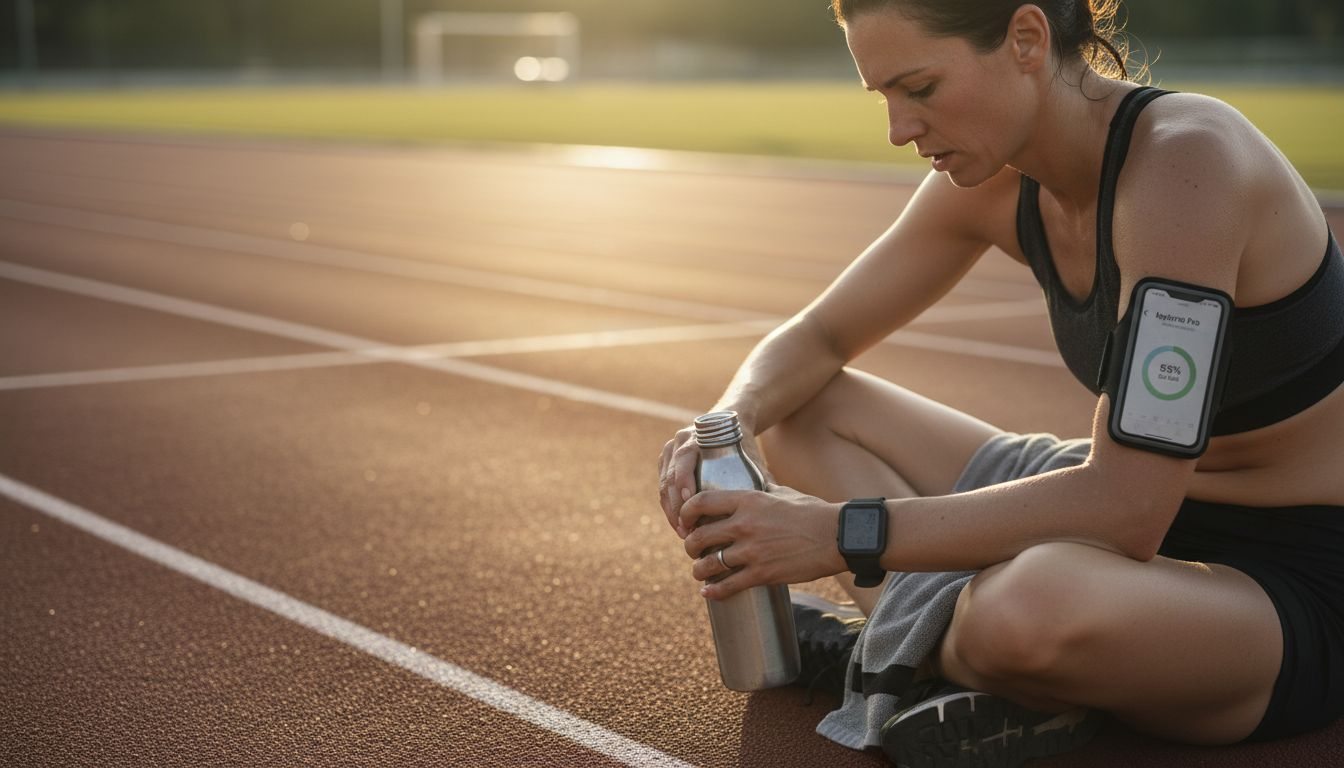
Early warning signs of dehydration extend beyond simple thirst, encompassing complex physiological indicators that signal the body’s decreasing fluid reserves. These symptoms emerge progressively, with each stage representing increasingly severe metabolic strain that can dramatically impact exercise capacity and overall well-being.
Key warning signs of dehydration include:
- Elevated resting heart rate
- Dark or reduced urine output
- Persistent muscle cramps
- Decreased cognitive performance
- Extreme fatigue
- Dry mouth and lips
- Reduced skin elasticity
- Dizziness or lightheadedness
- Decreased sweat production
- Increased perception of exercise difficulty
Pro Tip - Hydration Detection: Perform the skin pinch test by gently pulling the skin on the back of your hand. If it returns slowly to its original position, you may be experiencing early-stage dehydration.
Water Performance Pro: Track warning signs using detailed hydration monitoring techniques to maintain optimal physical performance and prevent potential health risks.
Optimal Hydration Strategies for Workouts
Hydration strategies are not one-size-fits-all solutions but carefully crafted approaches tailored to individual physiological needs and workout characteristics. Effective hydration requires a comprehensive approach that begins before exercise, continues throughout activity, and extends into recovery periods.
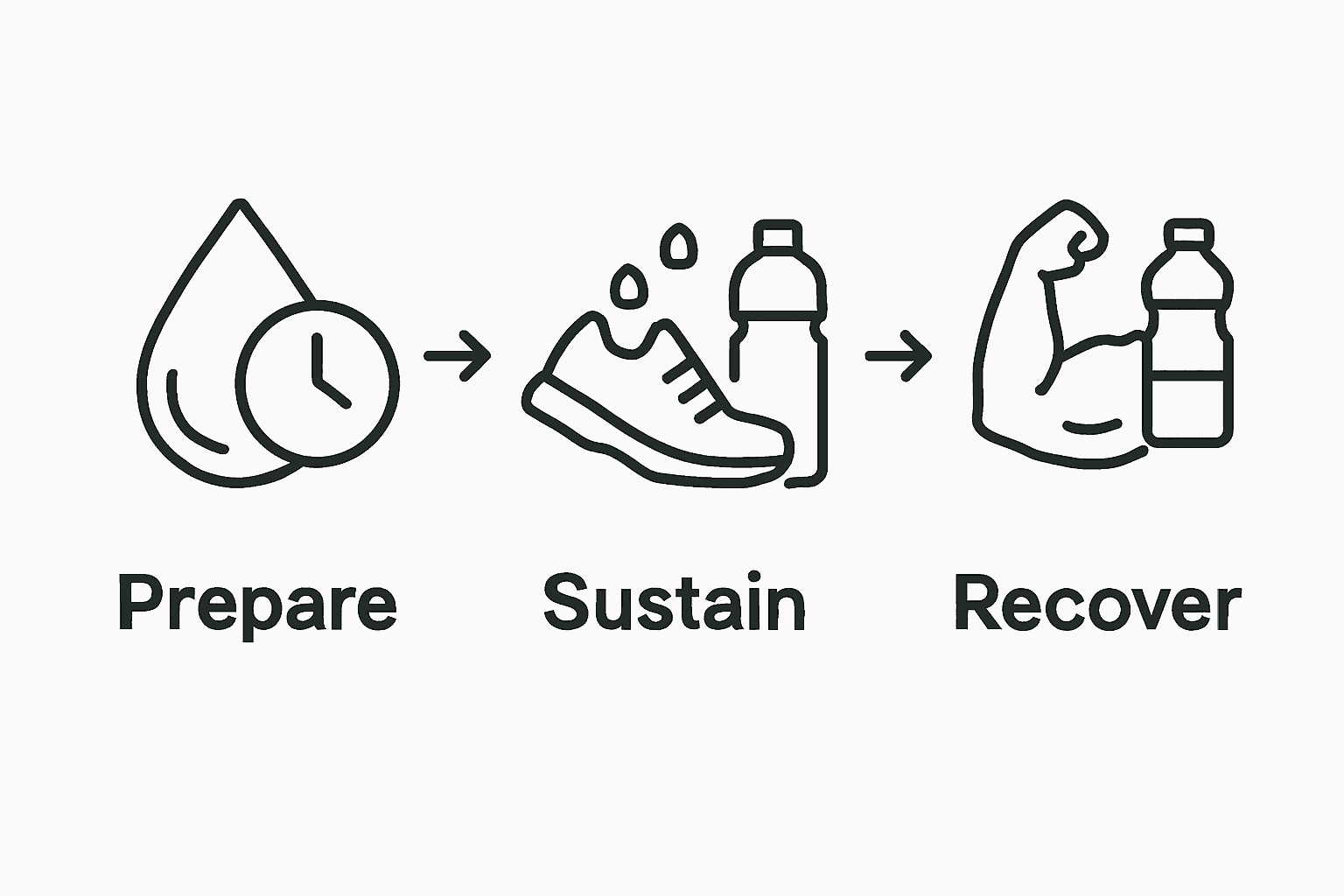
Successful workout hydration involves strategic fluid management that goes beyond simply drinking when thirsty. Athletes must develop personalized protocols that account for multiple variables including exercise intensity, environmental conditions, individual sweat rates, and specific physiological responses.
Key components of an optimal hydration strategy include:
- Pre-workout hydration assessment
- Precise fluid intake calculation
- Electrolyte balance maintenance
- Consistent small-volume fluid consumption
- Temperature-appropriate drinking approach
- Post-exercise rehydration protocol
- Individual sweat rate monitoring
- Environmental adaptation techniques
Pro Tip - Hydration Calculation: Weigh yourself before and after workouts to determine your precise fluid loss and develop a personalized replacement strategy.
Water Performance Pro: Learn more about understanding your body’s unique hydration signals to optimize your workout performance.
Here’s a comparison of hydration management strategies before, during, and after workouts:
| Workout Phase | Key Focus | Practical Tip |
|---|---|---|
| Pre-Workout | Fluid reserve buildup | Drink 16-20 oz 2 hours prior |
| During Workout | Sustained hydration | Sip small amounts every 20 min |
| Post-Workout | Fluid recovery | Replenish 1.5x lost fluid |
Hydration Needs for Different Fitness Activities
Hydration requirements are not universal across fitness activities, but rather a complex interplay of physiological demands and environmental factors. Different exercise modalities create unique fluid loss patterns that necessitate personalized hydration strategies, challenging athletes to develop nuanced approaches tailored to their specific workout types.
Fluid intake strategies must dynamically adjust based on exercise intensity, duration, and physiological stress, with each fitness discipline presenting distinct hydration challenges. Endurance athletes require consistent fluid replenishment, while strength training participants need strategic hydration to maintain muscle performance and recovery potential.
Hydration needs vary across these fitness activities:
-
Endurance Running/Cycling
- High sweat rate management
- Consistent electrolyte replacement
- Frequent small volume intake
-
Strength Training
- Focused muscular hydration
- Pre and post-workout fluid balance
- Reduced but strategic fluid intake
-
High-Intensity Interval Training (HIIT)
- Rapid fluid loss management
- Quick electrolyte restoration
- Heat regulation support
-
Yoga/Low-Intensity Activities
- Moderate hydration maintenance
- Balanced electrolyte levels
- Mindful fluid consumption
Pro Tip - Activity Hydration Tracking: Create a personalized hydration log documenting fluid intake, workout type, and performance metrics to identify your unique hydration patterns.
Water Performance Pro: Discover seasonal hydration techniques that adapt to changing workout environments to optimize your fitness performance.
Compare how four popular fitness activities differ in hydration needs:
| Activity Type | Hydration Challenge | Strategy Highlight |
|---|---|---|
| Endurance Running | High fluid loss, electrolyte depletion | Carry fluids; scheduled intake |
| Strength Training | Lower sweat rate, muscle performance | Hydrate pre & post session |
| HIIT | Rapid fluid loss, overheating | Cool beverages; electrolytes |
| Yoga | Mild loss, focus on comfort | Drink lightly before and after |
Unlock Your Best Performance With Smart Hydration Solutions
Staying optimally hydrated is the key to maximizing strength, endurance, and recovery as highlighted in the article “Role of Hydration in Fitness – Maximizing Performance and Recovery.” Address challenges like balancing fluid intake, electrolyte maintenance, and preventing dehydration with products designed to fit your unique needs. Whether you need a durable hydration bottle for consistent fluid intake, functional wellness drinks to support electrolyte balance, or accessories to enhance your hydration routine, Myequa.com empowers you to stay ahead in your fitness journey.

Discover a wide range of wellness essentials at Myequa.com including BPA-free hydration bottles and vitamin supplements that align perfectly with proven hydration strategies. Don’t wait for performance dips or dehydration warning signs. Act now to build your personalized hydration toolkit during our Black Friday deals with discounts up to 70%. Visit Myequa.com today and take the first step towards transforming your workout performance and recovery.
Frequently Asked Questions
What is the role of hydration in fitness?
Hydration plays a crucial role in maintaining optimal body water levels, which are essential for cardiovascular, metabolic, and neurological functions during exercise. Proper hydration helps regulate body temperature, transport nutrients, lubricate joints, and remove metabolic waste.
How does dehydration affect physical performance?
Dehydration can significantly decrease muscular strength, endurance, and overall athletic performance. Even a fluid loss of 2% of body mass can impair cognitive function and increase fatigue, leading to reduced performance capabilities.
What are the signs of dehydration during workouts?
Key warning signs of dehydration include dark or reduced urine output, muscle cramps, dizziness, and extreme fatigue. Monitoring these symptoms can help you recognize when your body needs more fluids.
What are effective hydration strategies for different fitness activities?
Hydration strategies should be tailored to the specific activity. For endurance sports, maintain a high fluid and electrolyte intake. In strength training, focus on hydration before and after workouts. For HIIT, stay cool and restore electrolytes quickly, while yoga participants should focus on mindful hydration before and after practice.
Recommended
Udostępnij
