


Difference Between BPA-Free and Plastic Bottles: Health Impacts
Shopping for a safe water bottle can feel overwhelming when every shelf is lined with labels you may not fully trust. For Health-conscious European shoppers, especially those eager for eco-friendly Black Friday deals, the search for reliable hydration solutions goes far beyond catching a low price. BPA-free plastic bottles offer peace of mind by addressing concerns linked to Bisphenol A, a chemical found in many plastics that has raised health questions in recent European regulations. This guide breaks down what BPA means, how to choose safer alternatives, and why understanding these materials matters for your well-being.
Table of Contents
- BPA And Plastic Bottles Defined
- Types Of Plastics And BPA-Free Materials
- Health Risks And Safety Regulations Explained
- Common Myths About BPA-Free Labels
- Comparing Alternatives: Stainless, Glass, And More
Key Takeaways
| Point | Details |
|---|---|
| BPA Exposure Risks | Bisphenol A (BPA) can leach from plastic into food and beverages, potentially posing health risks, especially to vulnerable populations like infants and children. |
| Understanding Plastics | Consumers should be aware of resin identification codes; plastics without BPA may still contain harmful substitutes like BPS or BPAF. |
| Safer Material Alternatives | Glass, stainless steel, and innovative materials are recommended for food storage to minimize chemical exposure. |
| Regulatory Vigilance | Ongoing research and regulatory updates emphasize the need for consumers to stay informed about product safety and avoid relying solely on BPA-free labels. |
BPA and Plastic Bottles Defined
Bisphenol A (BPA) is a synthetic organic chemical compound primarily used in the manufacturing of polycarbonate plastics and epoxy resins. This industrial chemical plays a critical role in creating rigid, transparent containers like water bottles, food storage items, and can linings. Widespread human exposure occurs through these everyday products, making understanding its properties essential for health-conscious consumers.
At its core, BPA is designed to create strong, durable plastics that can withstand repeated use. However, scientific research has raised significant concerns about its potential health impacts. European regulations have recently banned BPA in food contact materials due to emerging evidence suggesting potential risks, particularly for vulnerable populations like infants and children.
The fundamental issue with BPA lies in its molecular structure, which allows it to potentially leach from plastic containers into food and beverages, especially when exposed to heat, acidic conditions, or prolonged storage. These microscopic chemical migrations can introduce trace amounts of BPA into the human body, sparking ongoing debates about long-term health consequences. Researchers continue to investigate the potential endocrine-disrupting properties of this ubiquitous chemical compound.
Pro tip: When selecting water bottles, look for products explicitly labeled “BPA-free” and opt for glass or stainless steel containers to minimize potential chemical exposure.
Types of Plastics and BPA-Free Materials
Plastics are categorized through a complex system of resin identification codes, which provide critical insights into their chemical composition and potential health risks. Polycarbonate plastics marked with #7 often contain BPA, while other codes like #1, #2, #4, and #5 are generally considered safer alternatives. Understanding these codes empowers consumers to make more informed choices about their plastic product selections.
The landscape of BPA-free materials is rapidly evolving, with manufacturers seeking alternative chemical compounds. However, emerging research reveals that simply labeling a product “BPA-free” does not guarantee its safety. Many BPA-free plastics replace BPA with alternative bisphenols like BPS or BPAF, which may pose similar endocrine-disrupting risks. This phenomenon, known as “regrettable substitution,” highlights the complexity of chemical safety assessments.
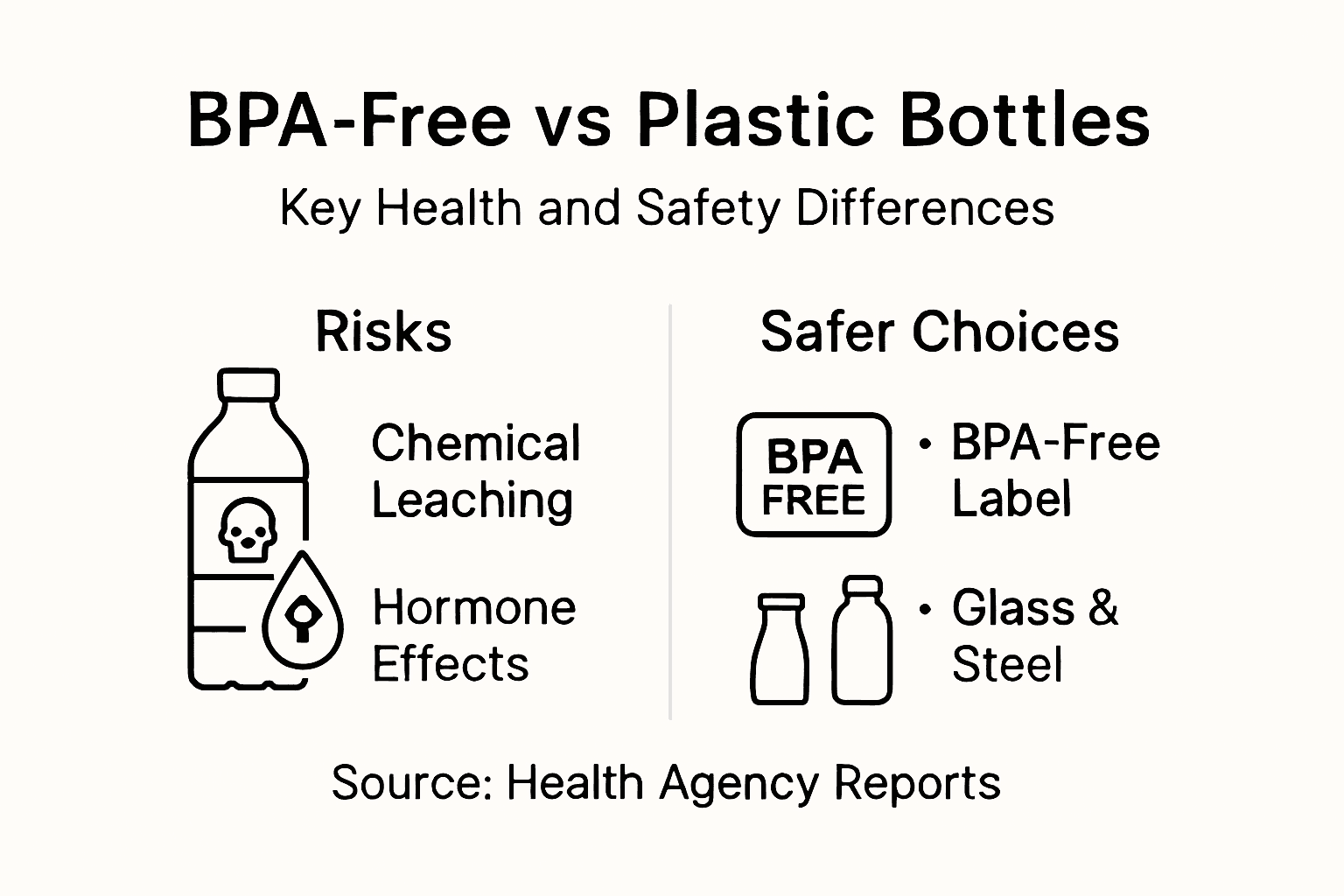
Consumers seeking truly safer alternatives should consider materials beyond traditional plastics. Glass, stainless steel, and ceramic containers offer more stable and inert options for food and beverage storage. Additionally, emerging innovative materials like silicone and certain plant-based polymers provide promising alternatives that minimize potential chemical leaching and environmental impact.
Pro tip: Examine the bottom of plastic containers for recycling codes, prioritizing #2, #4, and #5, and consider investing in glass or stainless steel containers for long-term health protection.
Here’s a quick reference for common plastic resin codes and their typical BPA-related concerns:
| Resin Code | Common Use Cases | BPA Risk Level | Example Products |
|---|---|---|---|
| #1 (PET) | Water bottles, food jars | Generally low | Single-use bottles |
| #2 (HDPE) | Milk jugs, detergent bottles | Very low | Reusable containers |
| #5 (PP) | Yogurt cups, straws | Very low | Food storage tubs |
| #7 (Other/Polycarbonate) | Sports bottles, food containers | High (may contain BPA) | Hard, clear bottles |
Health Risks and Safety Regulations Explained
Bisphenol A (BPA) continues to be a significant public health concern, with regulatory bodies worldwide conducting extensive research to understand its potential health implications. Government research programs extensively study BPA’s health effects, examining potential impacts across multiple biological systems. These comprehensive investigations have revealed compelling evidence linking BPA exposure to various adverse health outcomes, including developmental, reproductive, and metabolic disruptions.
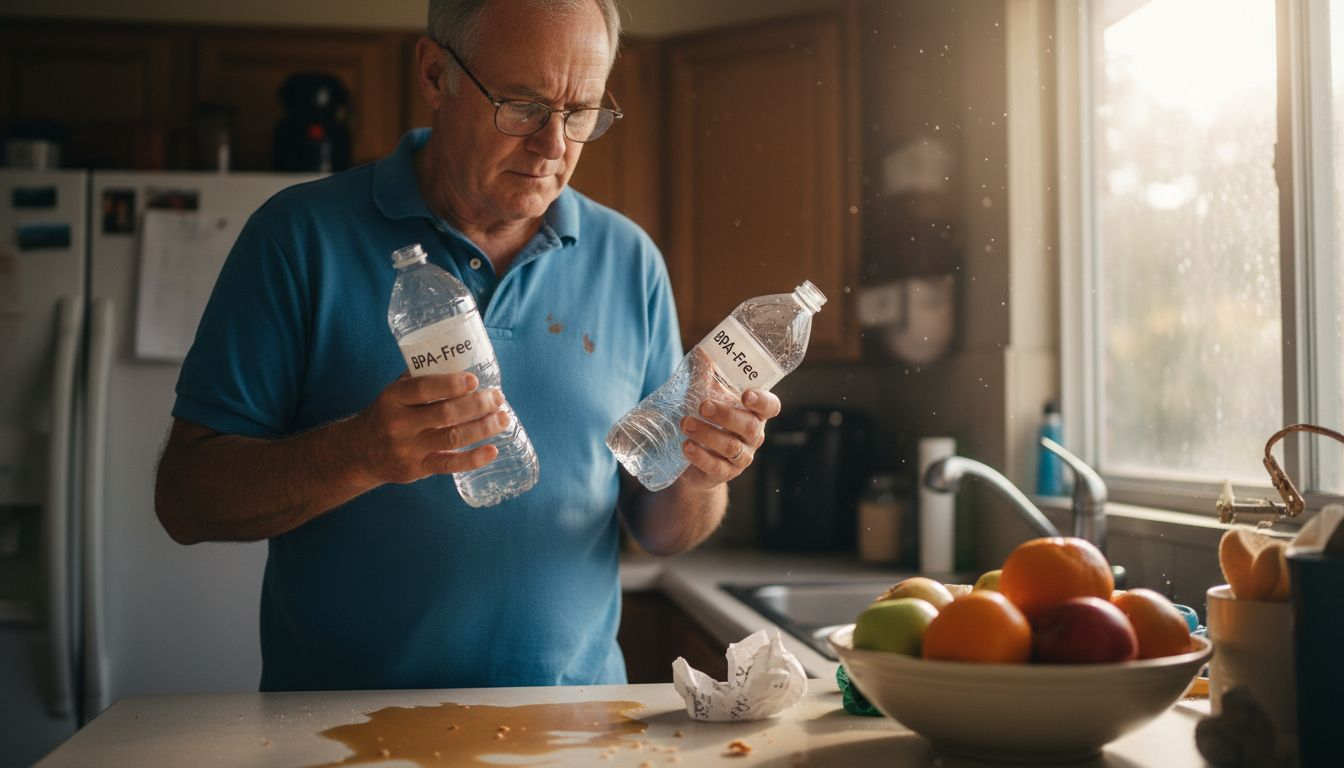
Regulatory agencies have responded proactively to these scientific findings. Safety assessments have led to legal restrictions on BPA use, particularly in sensitive products like baby bottles and children’s items. Authorities have established strict tolerable daily intake levels, continuously updating guidelines based on emerging scientific data. The primary focus remains protecting vulnerable populations, especially infants and young children who may be more susceptible to potential endocrine-disrupting effects.
The complex landscape of BPA regulation involves multiple layers of scientific scrutiny and policy development. Researchers continue to investigate long-term exposure risks, exploring potential connections between BPA and various health conditions such as hormonal imbalances, reproductive challenges, and metabolic disorders. This ongoing research underscores the importance of proactive consumer awareness and regulatory vigilance in managing potential chemical risks in everyday products.
Pro tip: Stay informed about product labels, prioritize products explicitly certified as BPA-free, and consider using glass or stainless steel containers as safer alternatives.
Common Myths About BPA-Free Labels
Consumers often misunderstand the implications of “BPA-free” labels, assuming they automatically guarantee complete safety. BPA-free labeling does not actually mean the absence of harmful chemicals, as many products simply replace BPA with alternative bisphenols that may pose similar health risks. This misleading marketing practice creates a false sense of security among health-conscious individuals seeking safer product alternatives.
Chemical substitution has become a significant concern in the plastics industry. Some BPA substitutes may have comparable health concerns, with scientific research revealing that replacement chemicals like BPS and BPF can potentially trigger similar endocrine-disrupting effects. The complexity of chemical regulations means that manufacturers can technically claim “BPA-free” status while introducing potentially equally problematic alternative compounds.
Understanding the nuanced landscape of plastic safety requires more than simply trusting marketing labels. Consumers must remain vigilant, looking beyond surface-level claims and seeking comprehensive information about the chemical composition of their plastic products. Transparent research, ongoing scientific studies, and careful product investigation are crucial in navigating the complex world of plastic safety and potential health implications.
Pro tip: Always research beyond product labels, contact manufacturers directly for detailed chemical information, and consider alternative materials like glass or stainless steel for maximum health protection.
Comparing Alternatives: Stainless, Glass, and More
Stainless steel and glass offer superior alternatives to traditional plastic containers, providing health-conscious consumers with safer hydration solutions. Unlike plastic bottles containing potential endocrine disruptors, these materials provide inert, chemical-free storage options that prevent harmful substance leaching. Stainless steel stands out for its exceptional durability, resistance to corrosion, and ability to maintain beverage temperature, making it an increasingly popular choice for environmentally aware individuals.
Glass containers represent another excellent alternative, prized for their complete chemical neutrality and recyclability. While more fragile than stainless steel, glass bottles ensure zero chemical migration and offer a pure, untainted drinking experience. Their transparency allows users to easily monitor cleanliness and liquid condition, adding an extra layer of confidence in their hydration choices. Modern glass bottles often feature protective silicone sleeves, addressing traditional fragility concerns and making them more practical for everyday use.
Beyond stainless steel and glass, emerging materials like borosilicate glass and medical-grade silicone are pushing the boundaries of safe container design. These innovative materials provide additional options for consumers seeking to minimize chemical exposure while maintaining convenience and functionality. Each material offers unique advantages, from temperature resistance to lightweight portability, enabling individuals to select containers that best match their lifestyle and health priorities.
Pro tip: Invest in high-quality stainless steel or borosilicate glass bottles with tight-sealing lids, and always inspect your containers regularly for signs of wear that might compromise their chemical-free integrity.
The following table compares the benefits and drawbacks of popular BPA-free alternatives for food and beverage storage:
| Material | Main Advantage | Primary Drawback | Best Use Cases |
|---|---|---|---|
| Glass | No chemical migration | Breakable if dropped | Home water bottles |
| Stainless Steel | Durable, keeps drinks cool | May retain flavors | Travel mugs, sports bottles |
| Silicone | Lightweight, flexible | Not for hot liquids | Snack containers |
| Plant-Based Polymers | Renewable source | Less durable over time | Compostable cups |
Choose Safety and Style with BPA-Free Options from EQUA
If you’re worried about the hidden health risks found in traditional plastic bottles, especially concerns about BPA and its substitutes, it’s time to choose smarter hydration solutions. EQUA’s range of BPA-free water bottles offers a safer way to drink, designed to minimize chemical exposure and support your well-being. These products embrace transparency and eco-conscious materials, helping you stay refreshed without compromise.
Discover your new favorite bottle by exploring Bpa free water bottles by EQUA – EQUA - Sustainable Water Bottles. If you prefer something sleek and see-through, our Clear Water Bottles by EQUA – EQUA - Sustainable Water Bottles are perfect. For a touch of personality without sacrificing health, check out BPA free bottle with graphics by EQUA – EQUA - Sustainable Water Bottles.
The time to act is now with Black Friday deals offering up to 70% off on select items at https://myequa.com. Protect your health, reduce your exposure to harmful chemicals, and enjoy stylish, sustainable hydration solutions today.
Frequently Asked Questions
What is BPA and why is it a concern in plastic bottles?
BPA, or Bisphenol A, is a synthetic chemical used in making polycarbonate plastics and epoxy resins. It’s a concern because it can leach into food and beverages, potentially disrupting hormonal functions and causing health issues, especially in vulnerable populations like infants and children.
What does ‘BPA-free’ actually mean for plastic bottles?
‘BPA-free’ indicates that a product does not contain Bisphenol A. However, it doesn’t guarantee the absence of other harmful chemicals, as many BPA-free plastics may use alternative bisphenols that can also have endocrine-disrupting effects.
Are glass and stainless steel containers safer than BPA-free plastic bottles?
Yes, glass and stainless steel containers are generally considered safer as they do not leach harmful chemicals. They provide inert, chemical-free storage options, making them a better choice for those concerned about chemical exposure from plastics.
How can I identify safer plastics when shopping for bottles?
Look for resin identification codes on the bottom of plastic containers. Avoid those marked with #7, as they may contain BPA. Instead, prioritize plastics marked with #1 (PET), #2 (HDPE), or #5 (PP), which are typically regarded as safer alternatives.
Recommended
- Why Choose BPA-Free Bottles for Health – EQUA - Sustainable Water Bottles
- BPA-Free Bottles: Why They Matter for Family Health – EQUA - Sustainable Water Bottles
- 7 Key Advantages of BPA-Free Bottles for Wellness Seekers – EQUA - Sustainable Water Bottles
- How to Buy BPA-Free Bottles for Safe Hydration – EQUA - Sustainable Water Bottles
- Healthy Natural Hair Products: Better Growth and Safety | MyHair
https://www.facebook.com/BalanceBlendsMalePerformanceGummies.us/
https://www.facebook.com/events/917980850662079/
https://www.facebook.com/events/889392080245761/
https://www.facebook.com/events/937427176125201/
https://www.facebook.com/groups/balanceblendsmaleperformancegummies.usa
https://www.facebook.com/groups/balanceblendsmaleperformancegummies.us
https://www.facebook.com/groups/balanceblendsmaleperformancegummies.2026
https://sites.google.com/view/balance-blends-male-gummies/
https://groups.google.com/g/balanceblendsmaleperformancegummies/c/9faTiZLEl8Y
https://scribehow.com/viewer/Balance_Blends_Male_Performance_Gummies__Expert_Review_Is_It_Worth_Your_Money__e4ToXA1IRqqAr37fT9rT7g
https://scribehow.com/viewer/Balance_Blends_Male_Performance_Gummies_Reviews_Cost_Scam_Exposed__Xu-Zo9GETIG-EAWqlrQLcw
https://scribehow.com/viewer/Balance_Blends_Male_Performance_Gummies_Review_Is_It_Really_Worth_The_Hype__JtCQA8mKRYKKHSGiz51AoA
https://scribehow.com/viewer/Balance_Blends_Male_Performance_Gummies_My_Honest_Opinion_and_Results__o4cWR_60TZOaNUZDsRLRCg
https://scribehow.com/viewer/Balance_Blends_Male_Performance_Gummies__Can_It_Really_Improve_Your_Confidence__SMp4wLmdSGCcRJpxwxtlmw
https://balanceblendsperformancegummies.zohodesk.com/portal/en/kb/articles/balance-blends-male-performance-gummies-reviews-cost-scam-exposed
https://balanceblendsperformancegummies.zohodesk.com/portal/en/kb/articles/balance-blends-male-performance-gummies-safe-effective-male-enhancement-in-2026
https://balanceblendsperformancegummies.zohodesk.com/portal/en/kb/articles/balance-blends-male-performance-gummies-why-men-are-choosing
https://balanceblendsperformancegummies.zohodesk.com/portal/en/kb/articles/balance-blends-male-performance-gummies-boost-stamina-energy
https://balanceblendsmaleperformancegummies.alboompro.com/
https://balanceblendsmaleperformancegummies.alboompro.com/post/balance-blends-male-performance-gummies-can-it-really-improve-your-confidence
https://balanceblendsmaleperformancegummies.alboompro.com/post/balance-blends-male-performance-gummies-review-is-it-really-worth-the-hype
https://ollama.com/BalanceBlendsMalePerformanceGummies/BalanceBlendsMalePerformanceGummies
https://contra.com/community/cmkkzsswy00003578cw4bjjfy
https://contra.com/community/cmkpby95k00003573ggk2ht9d
https://contra.com/community/cmkpc0ynd000135738c78y33k
https://contra.com/community/cmkpc2o0000023573nalzz7vx
https://contra.com/community/cmkpbvuao0000357363f2xq83
https://scribehow.com/viewer/Testo_Dark_Male_Enhancement__Expert_Review_Is_It_Worth_Your_Money__b4WUi8piSsSgB28uoIJXtw
https://scribehow.com/viewer/Testo_Dark_Male_Enhancement__Is_It_Safe_Read_Experts_Opinion__5Mejqo2sQe6ovMEOO7PHrQ
https://scribehow.com/viewer/Testo_Dark_Male_Enhancement_Can_It_Really_Improve_Your_Confidence__HFSDR2qkS2CzjeBW-RkCAw
https://scribehow.com/viewer/Testo_Dark_Male_Enhancement_Reviews_Cost_Scam_Exposed__6a0zMnJcRa6Eugy0ZWZ2AA
https://scribehow.com/viewer/Testo_Dark_Male_Enhancement_Buy_Now_and_Boost_Strength_Stamina_and_Confidence__0yiQlZbASl6mXFnlPgtjWA
https://scribehow.com/viewer/Testo_Dark_Male_Enhancement_Why_Men_Are_Choosing__lBHdsbWUQNG_ayQv1sSQ6A
https://www.facebook.com/TestoDarkMaleEnhancement.Get
