


Role of Hydration for Skin: Real Impact Explained
Dry skin and dull complexion can make anyone feel frustrated, especially when cold weather or busy routines get in the way of self-care. For many European women aiming to improve their skin’s resilience, the secret begins with understanding how hydration nourishes every cell and organ, supporting both radiant appearance and lasting health. This overview uncovers science-backed techniques for boosting moisture from inside out, guiding you toward practical tips and smarter product choices for truly hydrated skin.
Table of Contents
- What Hydration Means For Healthy Skin
- How Skin Retains And Loses Moisture
- Top Internal And External Hydration Sources
- Visible Signs And Effects Of Dehydrated Skin
- Key Hydration Myths And Common Mistakes
- Best Practices For Lasting Skin Hydration
Key Takeaways
| Point | Details |
|---|---|
| Hydration is Essential for Skin Health | Proper hydration impacts skin elasticity, texture, and overall resilience, necessitating both internal and external strategies. |
| Environmental Factors Matter | Temperature, humidity, and lifestyle choices significantly influence skin moisture levels, requiring tailored hydration approaches. |
| Combat Myths for Better Hydration | Personalized hydration needs vary, making it important to debunk common myths for effective strategies based on individual factors. |
| Consistent Care is Key | Lasting skin hydration involves gentle cleansing, appropriate product selection, and mindful application techniques to maintain moisture. |
What Hydration Means for Healthy Skin
Hydration represents more than just drinking water - it’s a fundamental biological process that directly impacts skin health and cellular function. Water’s essential role in cellular wellness extends far beyond simple moisture, influencing every aspect of skin appearance and resilience.
At its core, skin hydration involves maintaining optimal water content within skin cells and tissues. This intricate balance determines skin elasticity, texture, and overall health. When skin lacks proper hydration, multiple physiological processes become compromised:
- Reduced cellular communication
- Decreased nutrient transportation
- Impaired waste elimination
- Slower healing and regeneration processes
The science behind skin hydration reveals complex interactions between external moisture and internal cellular mechanisms. Moisturizing techniques involving humectants play a critical role in attracting and retaining water molecules within skin layers. Hyaluronic acid, for instance, can hold up to 1000 times its weight in water, making it a powerful hydration agent.
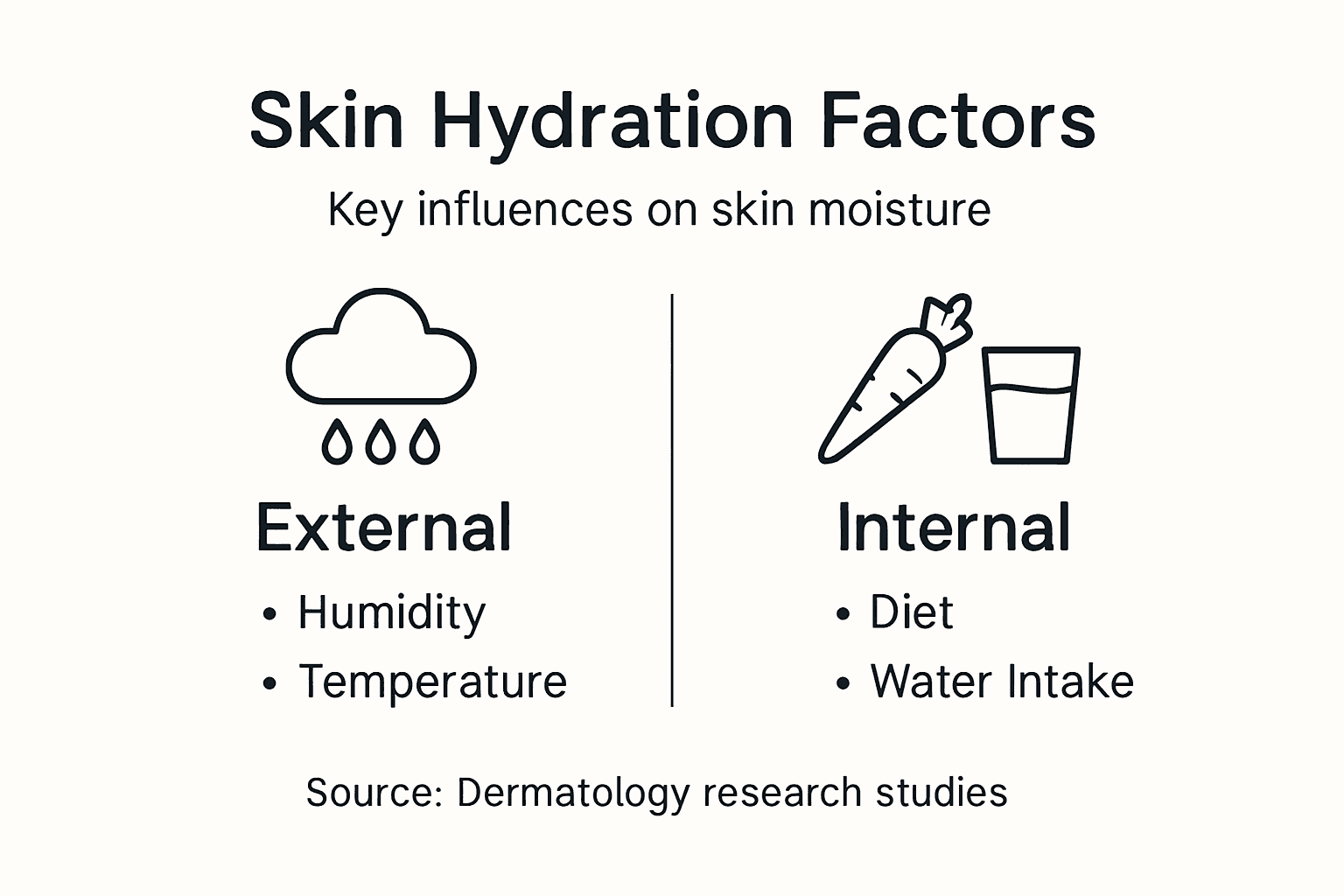
Environmental factors significantly influence skin hydration levels. Temperature, humidity, wind exposure, and personal lifestyle choices all contribute to skin moisture retention. Individuals living in dry climates or experiencing frequent air conditioning may require more targeted hydration strategies to maintain healthy skin.
Pro tip: Drink water consistently throughout the day and use moisturizers containing hyaluronic acid to support optimal skin hydration.
How Skin Retains and Loses Moisture
Skin hydration is a complex biological process governed by intricate mechanisms of moisture retention and loss. Skin’s protective barrier function plays a critical role in regulating water content and preventing excessive moisture evaporation.
The skin’s ability to retain moisture depends on several key physiological components:
- Stratum corneum: The outermost layer controlling water loss
- Lipid matrix: Creates a protective seal preventing moisture escape
- Sweat glands: Produce natural moisturizing elements
- Sebaceous glands: Generate sebum to maintain skin hydration
External environmental factors dramatically influence skin’s moisture levels. Moisture loss through evaporation accelerates in conditions like low humidity, cold temperatures, and excessive air conditioning. These environmental stressors can quickly deplete skin’s natural moisture reserves, leading to dryness and potential damage.
Moisture retention is also closely linked to skin’s pH balance and overall health. When the skin’s protective barrier becomes compromised, water escapes more rapidly, causing dehydration. Individuals with sensitive or dry skin types are particularly susceptible to rapid moisture loss, requiring targeted hydration strategies to maintain skin resilience.
Maintaining consistent skin hydration is not just about drinking water, but understanding the complex interplay between internal physiology and external environmental factors.
Pro tip: Invest in a quality humidifier and use gentle, pH-balanced moisturizers to support your skin’s natural moisture retention mechanisms.
Top Internal and External Hydration Sources
Hydration for healthy skin requires a comprehensive approach that balances internal and external moisture sources. Internal hydration strategies encompass more than simply drinking water, involving a holistic approach to nutrient and fluid intake.
Internal hydration sources include:
- Water: Primary liquid for cellular hydration
- Fresh fruits: Watermelon, cucumber, oranges
- Herbal teas: Caffeine-free hydrating beverages
- Water-rich vegetables: Lettuce, zucchini, celery
- Electrolyte-enhanced drinks: Support cellular water retention
External hydration mechanisms play an equally critical role in maintaining skin moisture. Topical moisturization techniques involve using products that attract, seal, and protect skin’s moisture barrier. These include:
- Humectants: Attract water molecules (hyaluronic acid)
- Emollients: Smooth and soften skin
- Occlusives: Create protective moisture barrier
Effective skin hydration is a delicate balance between what you consume and how you care for your skin’s external environment.
Pro tip: Combine internal hydration through diet with targeted external moisturization for comprehensive skin health.
Here’s a comparison of internal and external hydration strategies for skin:
| Approach | How It Works | Key Examples | Benefits for Skin |
|---|---|---|---|
| Internal Hydration | Delivers moisture via the bloodstream and nutrients | Water, fruits, herbal teas | Supports cell function and elasticity |
| External Hydration | Adds moisture to skin’s surface and barrier | Humectant serums, occlusives | Prevents evaporation, locks in hydration |
Visible Signs and Effects of Dehydrated Skin
Dehydrated skin manifests through a complex array of visual and sensory signals that extend beyond simple dryness. Skin dehydration symptoms reveal the body’s urgent need for comprehensive moisture restoration and targeted care.
The most common visible signs of skin dehydration include:
- Texture changes: Rough, flaky skin surface
- Elasticity loss: Decreased skin resilience and bounce
- Fine lines: Premature wrinkles and creases
- Color variations: Reddened or dull skin tone
- Sensitivity: Increased skin irritation and discomfort
Beyond cosmetic concerns, persistent skin dehydration can compromise the skin’s protective barrier, making it more vulnerable to environmental stressors, infections, and accelerated aging. Microscopic cracks can develop, allowing potential irritants to penetrate more easily and disrupt skin health.
Skin dehydration is more than a superficial issue - it’s a critical indicator of overall cellular health and environmental adaptation.
Pro tip: Monitor your skin’s hydration levels by performing a simple elasticity test and adjusting your hydration strategy accordingly.
Use this guide to identify and address common skin dehydration signs:
| Symptom | Likely Cause | Recommended Action |
|---|---|---|
| Rough texture | Loss of skin moisture | Apply hydrating moisturizer |
| Dull appearance | Poor barrier, low hydration | Increase fluid intake, use serums |
| Fine lines | Depleted water content | Layer hyaluronic acid products |
| Sensitivity | Compromised barrier | Choose fragrance-free formulas |
Key Hydration Myths and Common Mistakes
Hydration is a nuanced subject riddled with misconceptions that can significantly impact skin and overall health. Hydration myths persist across various populations, creating confusion about proper fluid intake and wellness strategies.
Common hydration myths include:
- Eight Glasses Myth: Universal water intake recommendation is inaccurate
- Thirst Misconception: Believing thirst is the only dehydration indicator
- Sports Drink Overreliance: Assuming these beverages are always superior to water
- One-Size-Fits-All Approach: Ignoring individual hydration needs
- Overhydration Fear: Misunderstanding the balance of fluid intake
Individual hydration strategies must account for personal factors like age, activity level, climate, and overall health. Factors such as body weight, metabolism, and daily activity significantly influence optimal hydration requirements.
Personalized hydration is not about rigid rules, but understanding your body’s unique signals and needs.
Pro tip: Track your daily fluid intake, monitor urine color, and adjust hydration based on your individual activity and environmental conditions.
Best Practices for Lasting Skin Hydration
Optimal skin hydration strategies require a comprehensive approach that goes beyond simple water consumption. Understanding the intricate balance of moisture retention and protection is crucial for maintaining healthy, resilient skin.
Key practices for lasting skin hydration include:
- Gentle Cleansing: Use mild, fragrance-free cleansers
- Moisturizer Selection: Choose products with humectants and occlusives
- Timing Matters: Apply moisturizer on damp skin
- Environmental Protection: Use humidifiers and limit hot showers
- Sun Defense: Consistent sunscreen application
Dermatologist-recommended skin care routines emphasize the importance of personalized approaches. Different skin types require tailored strategies, focusing on maintaining the skin’s natural protective barrier and preventing moisture loss through careful product selection and application techniques.
Lasting skin hydration is not about quick fixes, but consistent, mindful care that respects your skin’s unique characteristics.
Pro tip: Experiment with layering hydration products, starting with lightweight serums and finishing with richer moisturizers to lock in maximum moisture.
Unlock Lasting Skin Hydration with Myequa Wellness Solutions
Maintaining healthy, hydrated skin requires more than just drinking water. The article explains how skin hydration depends on both internal and external hydration strategies, involving a balance of nutrients, moisture retention, and protection from environmental stressors. If you experience rough texture, fine lines, or sensitivity, incorporating the right wellness products can support your skin’s natural moisture barrier and elasticity.
Explore our curated selection of hydration bottles designed to keep you consistently hydrated throughout the day, alongside functional wellness drinks like matcha and vitamins that provide essential nutrients for cellular hydration. Combine these with carefully chosen skincare tools and accessories to amplify your skin’s moisture retention and help combat dehydration effectively.

Experience the transformative impact of comprehensive hydration today. Visit Myequa to discover exclusive Black Friday deals with up to 70% off on products that support your skin’s hydration from the inside out. Shop now and take control of your skin’s health with trusted wellness essentials at Myequa’s homepage. Boost your hydration routine by combining internal nutrition and external care available at Myequa and feel the difference for yourself.
Frequently Asked Questions
What are the signs of dehydrated skin?
Dehydrated skin often shows visible signs such as rough texture, decreased elasticity, fine lines, color variations like redness or dullness, and increased sensitivity.
How can I ensure my skin stays hydrated?
To keep your skin hydrated, drink plenty of water, consume water-rich foods like fruits and vegetables, and use moisturizers containing humectants like hyaluronic acid. Applying moisturizer on damp skin can also help lock in moisture.
What is the role of humectants in skin hydration?
Humectants are ingredients in skincare products that attract water to the skin. For example, hyaluronic acid can hold up to 1000 times its weight in water, making it an effective agent for improving skin hydration.
Can environmental factors affect my skin’s hydration levels?
Yes, environmental factors such as low humidity, cold temperatures, and excessive air conditioning can accelerate moisture loss from the skin, making targeted hydration strategies essential for maintaining skin health.
Recommended
- INFUSED WATER IDEAS FOR GLOWING SKIN – EQUA - Sustainable Water Bottles
- Why Prioritize Hydration: Wellness, Energy, and Resilience – EQUA - Sustainable Water Bottles
- Daily Hydration: How It Fuels Your Health and Wellness – EQUA - Sustainable Water Bottles
- Role of Hydration in Fitness – Maximizing Performance and Recovery – EQUA - Sustainable Water Bottles
- Shea Moisture Hair Loss: Myths, Facts & 2025 Insights | MyHair
Zdieľať
