


What Is Wellness Lifestyle and Its Impact on You
Over 80 percent of European millennials believe wellness is more than just fitness, yet American trends still influence many popular self-care myths. Navigating what truly supports your well-being can feel confusing with so many opinions and products competing for attention. This guide unpacks what a wellness lifestyle really means, clears up common misconceptions, and helps you discover simple, sustainable choices to enrich your daily routines—especially while Black Friday offers bring fresh opportunities for smarter self-care upgrades.
Table of Contents
- Defining Wellness Lifestyle And Common Myths
- Types Of Wellness Lifestyles Explained
- Core Habits For Sustained Well-Being
- Benefits Of Wellness Products And Supplements
- Risks And Mistakes To Avoid When Starting
Key Takeaways
| Point | Details |
|---|---|
| Understanding Wellness | A wellness lifestyle is a continuous journey, focusing on proactive health strategies rather than merely avoiding illness. |
| Integrative Approach | Successful wellness strategies require attention to multiple dimensions, including physical, mental, social, and spiritual health. |
| Incremental Change | Introduce small, manageable habits consistently to build sustainable wellness without overwhelming yourself. |
| Personalization is Key | Effective wellness plans must be tailored to individual needs, preferences, and life circumstances for better outcomes. |
Defining Wellness Lifestyle and Common Myths
A wellness lifestyle represents a holistic approach to personal health that goes far beyond traditional medical perspectives. It encompasses proactive strategies for maintaining physical, mental, and social well-being through intentional daily practices. Comprehensive wellness research reveals wellness is not merely about avoiding disease, but actively cultivating optimal health across multiple dimensions.
Many people misunderstand wellness as a destination rather than a continuous journey. Common myths include believing wellness requires expensive equipment, intensive workout regimens, or radical lifestyle changes. In reality, wellness integrates small, sustainable habits that progressively enhance overall quality of life. These practices might involve mindful nutrition, regular physical activity, stress management techniques, quality sleep, and nurturing social connections.
At its core, a wellness lifestyle recognizes the intricate connections between physical health, emotional resilience, and social engagement. It acknowledges that well-being is multifaceted, requiring balanced attention to nutrition, exercise, mental health, personal growth, and interpersonal relationships. Modern wellness approaches reject the outdated medical model of treating symptoms and instead focus on prevention, self-care, and proactive health management.
Pro Tip for Wellness Beginners: Start small by introducing one intentional wellness practice weekly. Choose something achievable and enjoyable, like a 10-minute morning meditation, a short walk after dinner, or drinking an extra glass of water, to build sustainable momentum without overwhelming yourself.
Types of Wellness Lifestyles Explained
Wellness lifestyles encompass diverse approaches to holistic health, each targeting different aspects of personal well-being. Theoretical frameworks examining health behaviors reveal multiple interconnected dimensions that shape individual wellness strategies. These lifestyle types are not mutually exclusive but represent unique paths toward comprehensive personal health.
Five primary wellness lifestyle categories emerge from contemporary research:
- Physical Wellness Lifestyle: Focuses on bodily health through regular exercise, nutritious diet, adequate sleep, and preventive medical care
- Mental Wellness Lifestyle: Prioritizes psychological resilience, stress management, mindfulness practices, and emotional intelligence
- Social Wellness Lifestyle: Emphasizes building meaningful relationships, community engagement, and supportive interpersonal networks
- Spiritual Wellness Lifestyle: Centers on personal meaning, purpose, inner peace, meditation, and connection to broader existential perspectives
- Intellectual Wellness Lifestyle: Promotes continuous learning, cognitive stimulation, personal growth, and creative exploration
These lifestyle types interact dynamically, creating a comprehensive approach to personal health. An individual might simultaneously engage multiple wellness dimensions, recognizing that holistic well-being requires balanced attention across different life domains. Wellness trends for health-conscious individuals increasingly emphasize this integrated, multidimensional perspective.
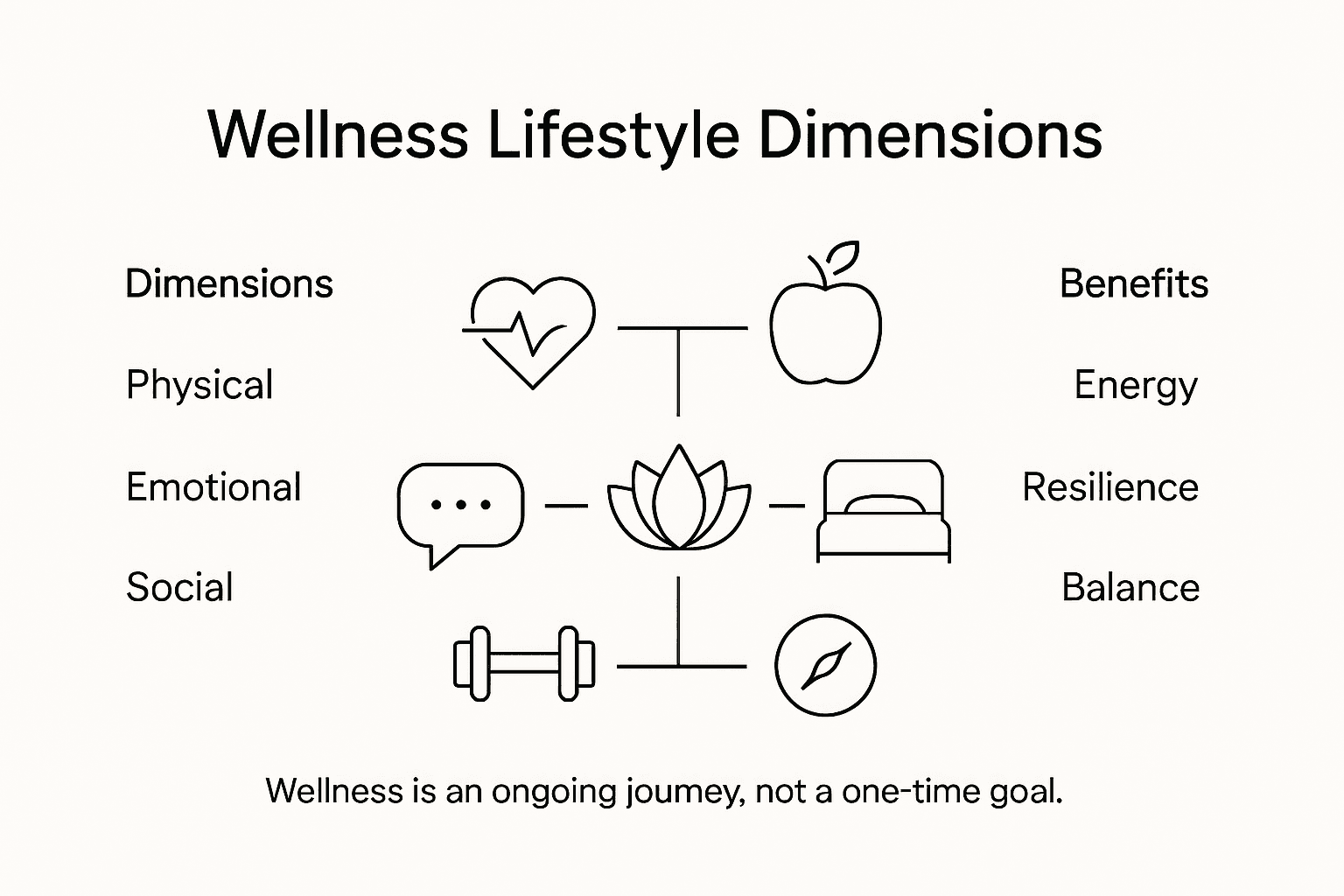
Modern wellness practitioners understand that personalization is key. No single approach fits everyone, and effective wellness strategies must adapt to individual preferences, genetic predispositions, lifestyle constraints, and personal goals. The most successful wellness journeys emerge from self-awareness, experimentation, and a commitment to continuous personal development.
Pro Tip for Wellness Exploration: Conduct a personal wellness audit by honestly assessing your current lifestyle across these five dimensions. Identify one area for intentional improvement and develop a specific, achievable action plan to enhance that aspect of your well-being.
Here is a summary comparing the five main wellness lifestyle types and their primary areas of focus:
| Wellness Dimension | Primary Focus Area | Key Benefits |
|---|---|---|
| Physical Wellness | Exercise, nutrition, sleep | Enhanced energy, disease prevention |
| Mental Wellness | Stress reduction, mindfulness | Greater resilience, mood stability |
| Social Wellness | Relationships, community | Improved support, sense of belonging |
| Spiritual Wellness | Meaning, purpose, meditation | Inner peace, deeper fulfillment |
| Intellectual Wellness | Learning, cognitive growth | Creativity, lifelong curiosity |
Core Habits for Sustained Well-Being
Wellness habits form the foundation of a healthy, balanced lifestyle, acting as critical building blocks for long-term personal well-being. Research investigating wellness patterns among university populations reveals consistent, intentional practices are far more important than sporadic, intense health interventions. Sustainable wellness emerges from daily choices that incrementally improve physical, mental, and emotional health.
Core wellness habits can be strategically categorized into several key domains:
-
Physical Nutrition Habits
- Consuming balanced, nutrient-dense meals
- Maintaining proper hydration
- Limiting processed food intake
- Practicing portion control
-
Movement and Exercise Habits
- Engaging in regular physical activity
- Mixing cardiovascular and strength training
- Incorporating flexibility and mobility work
- Finding enjoyable movement practices
-
Mental and Emotional Wellness Habits
- Practicing daily mindfulness or meditation
- Managing stress through intentional techniques
- Maintaining consistent sleep schedules
- Cultivating positive social connections
Comprehensive studies on wellness culture demonstrate that these habits are interconnected, with each dimension supporting and enhancing the others. Successful wellness strategies recognize that holistic health requires a synergistic approach, where physical, mental, and social practices complement and reinforce each other.
Implementing these habits requires patience, self-compassion, and a commitment to gradual, sustainable change. Wellness is not about perfection but consistent progress. Small, repeatable actions compound over time, creating transformative health outcomes that extend far beyond temporary fitness trends or restrictive diet plans.

Pro Tip for Habit Formation: Start by selecting one small, manageable habit from each wellness domain. Implement these changes gradually, tracking your progress and celebrating incremental improvements to build lasting motivation and sustainable lifestyle transformation.
Benefits of Wellness Products and Supplements
Wellness products and supplements represent strategic tools for enhancing personal health and supporting holistic lifestyle goals. Research examining complementary approaches to health prevention reveals these interventions can play a crucial role in addressing nutritional gaps, supporting metabolic functions, and promoting overall well-being.
Key benefits of wellness products and supplements include:
-
Nutritional Support
- Filling dietary nutrient deficiencies
- Providing concentrated vitamin and mineral sources
- Supporting specific health conditions
- Enhancing metabolic performance
-
Physiological Optimization
- Boosting immune system functionality
- Supporting cellular regeneration
- Improving energy metabolism
- Reducing inflammation
-
Performance Enhancement
- Supporting physical recovery
- Improving cognitive function
- Managing stress responses
- Promoting hormonal balance
Wellness supplements are not universal solutions but targeted interventions designed to complement balanced nutrition and lifestyle practices. Individuals should approach supplementation thoughtfully, recognizing that these products work most effectively when integrated into a comprehensive wellness strategy that includes proper nutrition, regular exercise, adequate sleep, and stress management.
Sustainable wellness approaches emphasize that supplements are supportive tools, not magical solutions. Their effectiveness depends on individual metabolic factors, overall health status, and consistent, balanced implementation. Quality matters significantly - choosing scientifically validated, high-quality supplements from reputable sources is crucial for achieving meaningful health outcomes.
Pro Tip for Supplement Selection: Consult healthcare professionals before starting any new supplement regimen, prioritize third-party tested products, and focus on addressing specific, identified nutritional needs rather than consuming random combinations of vitamins and minerals.
Risks and Mistakes to Avoid When Starting
Wellness journeys are complex personal transformations that require strategic planning and self-awareness. Research investigating wellness lifestyle challenges reveals numerous potential pitfalls that can derail even the most well-intentioned health improvement efforts. Understanding these risks is crucial for developing a sustainable and effective wellness approach.
Common mistakes to avoid include:
-
Unrealistic Expectations
- Setting overly aggressive goals
- Expecting immediate transformation
- Comparing personal progress to others
- Believing in quick fix solutions
-
Inconsistent Implementation
- Sporadic commitment to wellness practices
- Abandoning strategies after initial challenges
- Lack of structured approach
- Inconsistent tracking of progress
-
Holistic Neglect
- Focusing exclusively on physical health
- Ignoring mental and emotional wellness
- Overlooking sleep and stress management
- Neglecting social and spiritual dimensions
Comprehensive studies on wellness initiation demonstrate that successful wellness transformations require personalized, adaptive strategies. One-size-fits-all approaches frequently fail because they disregard individual metabolic differences, lifestyle constraints, and personal motivational triggers. Sustainable wellness emerges from understanding your unique physiological and psychological landscape.
Effective wellness implementation demands patience, self-compassion, and a willingness to experiment. Individuals must approach their health journey as a continuous learning process, remaining flexible and open to adjusting strategies based on personal experiences and emerging scientific insights. Rigidity and perfectionism are often the greatest barriers to meaningful lifestyle change.
Pro Tip for Wellness Navigation: Create a flexible wellness blueprint that allows for incremental adjustments, tracks your progress without judgment, and celebrates small victories as essential steps in your long-term health transformation.
Below is a reference table outlining common wellness mistakes and practical solutions to address them:
| Common Mistake | Impact on Wellness | Practical Solution |
|---|---|---|
| Setting unrealistic goals | Discouragement, burnout | Start with small, attainable steps |
| Ignoring mental health | Poor stress response | Incorporate mindfulness routines |
| Neglecting social support | Feeling isolated | Engage in community activities |
| Abandoning practices quickly | Lack of lasting benefits | Track progress, adjust gradually |
Enhance Your Wellness Lifestyle with Practical Tools from Myequa
Embracing a wellness lifestyle means integrating balanced habits that support your physical, mental, and social well-being. This journey often reveals challenges like maintaining consistent routines and finding products that truly complement your holistic goals. Whether you seek to improve hydration, boost mental clarity, or enhance restful sleep, the right wellness accessories can make a significant difference in sustaining your progress.
Experience the power of purposeful wellness with curated products designed to support your journey toward optimal health. From BPA-free hydration bottles that keep you refreshed throughout the day to functional wellness drinks and sleep tools that foster mental resilience and relaxation, Myequa offers practical solutions grounded in the principles discussed in “What Is Wellness Lifestyle and Its Impact on You.” Take advantage of our exclusive Black Friday deals for up to 70 percent savings and invest in your well-being today.
Discover how thoughtful wellness products contribute to sustained well-being by visiting Myequa.com. Explore our range of hydration bottles, sleep accessories, and wellness drinks and start building a personalized wellness routine that supports your holistic health goals. Act now to seize limited-time offers and make your wellness lifestyle more achievable and enjoyable.
Frequently Asked Questions
What is a wellness lifestyle?
A wellness lifestyle is a holistic approach to personal health that emphasizes proactive strategies for maintaining physical, mental, and social well-being through intentional daily practices.
How can I start incorporating wellness habits into my daily routine?
Begin by introducing one intentional wellness practice each week, such as meditation, regular physical activity, or mindful eating, aiming for small, achievable changes.
What are the main dimensions of wellness?
The primary dimensions of wellness include physical, mental, social, spiritual, and intellectual wellness, each contributing uniquely to holistic health and well-being.
What are common mistakes to avoid when starting a wellness journey?
Common mistakes include setting unrealistic goals, implementing wellness practices inconsistently, neglecting mental and emotional health, and focusing solely on physical aspects of wellness.
Recommended
- Sustainable Wellness: Transforming Everyday Health Habits – EQUA - Sustainable Water Bottles
- 7 Key Wellness Trends 2025 Every Health Shopper Should Know – EQUA - Sustainable Water Bottles
- Do you feel that after intense exercise, it’s hard to continue with yo – EQUA - Sustainable Water Bottles
- MYEQUA Blog – EQUA - Sustainable Water Bottles
Zdieľať
