


What is hydration: benefits, tips, and products
Most people think they understand hydration, but common myths and oversimplified advice leave many confused about their actual needs. Hydration is the process of maintaining adequate body water levels for physiological functions, with the human body composed of 55 to 65 percent water. This article clarifies what hydration truly means, explores its profound benefits for physical and mental performance, teaches you how to assess your status accurately, debunks persistent myths, and provides practical strategies plus product recommendations to optimize your daily routine.
Table of Contents
- Key takeaways
- Understanding hydration and its role in your body
- Recognizing dehydration and how to assess your hydration status
- Hydration myths, risks of overhydration, and special considerations
- Practical hydration tips and useful products to support your routine
- Boost your hydration habits with EQUA sustainable water bottles
- Frequently asked questions
Key Takeaways
| Point | Details |
|---|---|
| Hydration basics | Water is essential for temperature regulation, nutrient transport, joint protection, waste removal, and supporting cognitive and physical performance. |
| Older adult risk | Older adults have a 17 to 28 percent higher risk of dehydration due to aging affecting thirst sensation and kidney efficiency. |
| Urine color monitor | Urine color and frequency offer simple home indicators with pale yellow urine and about five to seven urinations per day suggesting good hydration; dark urine signals under hydration. |
| Daily hydration cues | Track hydration by monitoring energy and mental clarity; a sudden afternoon slump may reflect insufficient morning fluids rather than needing caffeine. |
Understanding hydration and its role in your body
Your body depends on water for nearly every biological process. Approximately 55 to 65 percent of your body weight is water, distributed primarily within cells (intracellular fluid) and in blood plasma and tissues (extracellular fluid). This internal ocean regulates temperature through sweating, transports nutrients and oxygen via blood, cushions joints and organs, and facilitates waste removal through urine.
Hydration directly impacts cognitive function and physical performance. Even mild dehydration of 1 to 2 percent body weight reduces concentration, reaction time, and mood stability. Athletes notice decreased endurance and strength when fluid loss exceeds 2 percent during exercise. Temperature regulation suffers because inadequate fluid limits sweat production, raising core body temperature and increasing heat illness risk.
Digestion relies heavily on water to break down food, absorb nutrients, and move waste through the intestines. Insufficient hydration slows digestion, often causing constipation and discomfort. Your kidneys need adequate fluid to filter blood effectively and excrete metabolic waste products. Chronic mild dehydration stresses kidneys over time, potentially increasing risk for kidney stones and urinary tract infections.
Pro Tip: Track your hydration by monitoring energy levels and mental clarity throughout the day. A sudden afternoon slump often signals inadequate morning fluid intake rather than needing caffeine.
Key physiological functions supported by optimal hydration include:
- Temperature regulation through perspiration and heat dissipation
- Nutrient transport and oxygen delivery to cells via blood circulation
- Joint lubrication and shock absorption for movement
- Waste elimination through urine, sweat, and digestive processes
- Cognitive performance including memory, attention, and mood regulation
Understanding why hydration is important for health helps you prioritize fluid intake as a foundation for wellness rather than an afterthought.

Recognizing dehydration and how to assess your hydration status
Dehydration occurs when fluid loss exceeds intake, disrupting normal physiological functions. Early symptoms include thirst, dry mouth, fatigue, and reduced urine output. As dehydration progresses to moderate levels, you may experience dizziness, rapid heartbeat, confusion, and dark yellow or amber urine. Severe dehydration causes extreme thirst, very dark urine or no urination, rapid breathing, sunken eyes, and altered consciousness requiring immediate medical attention.
Older adults face 17 to 28 percent higher dehydration incidence because aging weakens thirst signals and reduces kidney efficiency. Medications like diuretics further increase fluid loss. Children also face higher risk due to smaller body size and higher metabolic rates, making them more vulnerable to rapid fluid depletion during illness or hot weather.
The simplest home assessment method is urine color monitoring. Pale yellow urine indicates optimal hydration, while dark yellow or amber suggests inadequate intake. Clear urine may indicate overhydration, though this is less common. Frequency matters too: urinating 5 to 7 times daily typically reflects good hydration, though individual variation exists based on fluid intake and activity level.
| Urine Color | Hydration Status | Action Needed |
|---|---|---|
| Pale yellow | Optimal | Maintain current intake |
| Dark yellow | Mild dehydration | Increase fluid intake |
| Amber or honey-colored | Moderate dehydration | Drink water immediately |
| Clear | Possible overhydration | Reduce intake slightly |
Clinical biomarkers provide more precise measurement. Urine specific gravity (USG) measures urine concentration, with values below 1.020 indicating adequate hydration. Urine osmolality assesses dissolved particles, with lower values suggesting better hydration. Blood tests measuring serum sodium and osmolality help diagnose dehydration severity in medical settings.
Pro Tip: Check your first morning urine color before drinking anything. This baseline reading reveals your overnight hydration status and helps you adjust daily intake accordingly.
Common dehydration warning signs to watch:
- Persistent thirst despite drinking fluids
- Headaches or lightheadedness when standing
- Decreased urination frequency or volume
- Dry skin that lacks elasticity when pinched
- Fatigue or unexplained weakness during normal activities
Recognizing 6 signs of dehydration early allows you to correct fluid deficits before they impact health and performance significantly.
Hydration myths, risks of overhydration, and special considerations
The persistent myth that everyone needs eight 8-ounce glasses of water daily oversimplifies hydration needs. This 8x8 rule lacks scientific support because individual requirements vary dramatically based on body size, activity level, climate, and diet. A sedentary person in cool weather needs far less fluid than an athlete training in summer heat. Total fluid intake includes water from food, especially fruits and vegetables that contain 80 to 95 percent water.
Overhydration, though less common than dehydration, poses serious risks. Drinking excessive water too quickly dilutes blood sodium levels, causing hyponatremia. Symptoms include nausea, headache, confusion, and in severe cases, seizures or coma. Endurance athletes who drink water excessively during long events without replacing electrolytes face the highest risk. Thirst mechanisms lag in elderly individuals, making them vulnerable to both dehydration and overhydration from well-meaning but excessive fluid intake.
Older adults have weakened thirst mechanisms that fail to signal fluid needs accurately. Reduced kidney function and medications like diuretics complicate hydration management. Setting regular drinking reminders and monitoring urine color helps this population maintain adequate intake despite blunted thirst cues.
Athletes require personalized hydration strategies. Sweat rate testing determines individual fluid loss during exercise by weighing before and after training sessions. This calculation reveals how much fluid to consume per hour during activity. Electrolyte replacement becomes critical during intense exercise exceeding one hour or in hot conditions where sweat sodium loss accelerates.
Seasonal factors significantly impact hydration status. Winter’s dry indoor heating and cold outdoor air increase insensible water loss through breathing and skin evaporation, even though people feel less thirsty. Seasonal variations affect hydration needs more than most realize, requiring conscious adjustment year-round.
Common hydration misconceptions:
- Coffee and tea dehydrate you: Moderate caffeine intake (up to 400 milligrams daily) contributes to total fluid intake
- You must drink before feeling thirsty: Thirst is a reliable indicator for most healthy adults under normal conditions
- Sports drinks are necessary for all exercise: Plain water suffices for activities under 60 minutes at moderate intensity
- Clear urine always means optimal hydration: Very pale or clear urine may indicate overhydration
Exploring hydration tips and smart strategies for wellness helps you navigate these nuances and develop personalized approaches that match your lifestyle and physiological needs.
Practical hydration tips and useful products to support your routine
Establishing consistent hydration habits starts with morning routines. Drinking 16 to 20 ounces of fluids upon waking replenishes overnight losses and jumpstarts metabolism. Keep water on your nightstand or set a morning alarm reminder until this becomes automatic. Sipping regularly throughout the day maintains steady hydration better than chugging large amounts infrequently.
Water-rich foods significantly contribute to total fluid intake while providing vitamins, minerals, and fiber. Watermelon, cucumbers, strawberries, lettuce, and celery contain 90 to 95 percent water. Soups, smoothies, and yogurt add substantial fluid along with nutrients. This dietary approach makes reaching hydration goals easier and more enjoyable than relying solely on plain water.
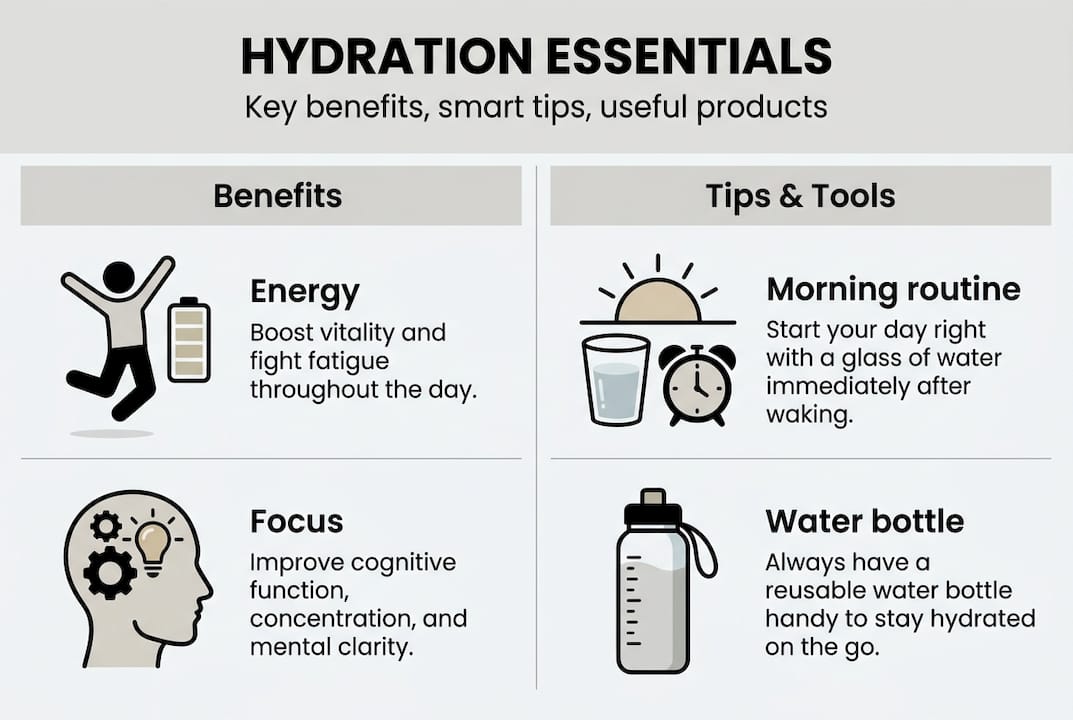
Exercise intensity and duration dictate fluid needs. Adding 500 milliliters per hour of moderate activity provides a starting guideline, adjusted based on sweat rate and environmental conditions. Pre-hydrating two to three hours before exercise and drinking every 15 to 20 minutes during activity prevents performance-limiting dehydration. Post-exercise rehydration should replace 150 percent of fluid lost to compensate for ongoing losses.
Heat exposure increases fluid requirements dramatically. High temperatures and humidity raise sweat rates, sometimes exceeding 1.5 liters per hour during intense activity. Illness, especially fever, vomiting, or diarrhea, accelerates fluid loss and demands increased intake plus electrolyte replacement to prevent dangerous dehydration.
Pro Tip: Keep a reusable water bottle within arm’s reach at your desk, in your car, and during activities. Visual reminders and easy access dramatically increase consumption without requiring conscious effort.
Daily hydration habits for consistency:
- Start each morning with 16 to 20 ounces of water before coffee or breakfast
- Set hourly phone reminders to take several sips until the habit becomes automatic
- Drink a full glass of water before each meal to support digestion and satiety
- Choose water-rich snacks like fruits and vegetables throughout the day
- Monitor urine color at least twice daily to assess hydration status
- Adjust intake upward on active days, in hot weather, or during illness
Electrolyte powders help maintain sodium and potassium balance during heavy sweating from exercise or heat exposure. Most formulations provide 500 to 1000 milligrams of sodium per serving, matching typical sweat sodium losses during moderate to intense activity. Potassium, magnesium, and sometimes calcium round out the electrolyte profile.
| Product Type | Sodium Content | Best Use Case | Key Features |
|---|---|---|---|
| Sport electrolyte powder | 500-1000mg per serving | Intense exercise over 60 minutes | Includes carbohydrates for energy |
| Low-sugar electrolyte mix | 300-500mg per serving | Daily hydration support | Minimal calories, natural flavors |
| High-sodium formula | 1000mg+ per serving | Endurance events, extreme heat | Rapid electrolyte replacement |
| Electrolyte tablets | 300-700mg per serving | Convenient portable option | No mixing required, dissolves quickly |
Electrolyte products are not necessary for typical daily hydration unless you engage in prolonged intense exercise, work in extreme heat, or experience illness with fluid loss. Plain water meets needs for most sedentary and moderately active individuals. Overusing electrolyte supplements without corresponding sweat loss can lead to excessive sodium intake.
Building sustainable practices:
- Flavor water naturally with lemon, cucumber, or mint to increase appeal without added sugars
- Set achievable daily goals based on your body weight and activity level rather than arbitrary targets
- Track intake using a marked water bottle or hydration app until awareness becomes intuitive
- Pair hydration with existing habits like taking medications or checking email
Developing hydration habits through a practical workflow creates lasting behavior change. Learning how to stick to hydration goals naturally removes the friction that causes most people to abandon good intentions after a few days.
Boost your hydration habits with EQUA sustainable water bottles
Maintaining optimal hydration becomes effortless when you have the right tools supporting your routine. EQUA offers BPA-free water bottles designed to make drinking water convenient, appealing, and sustainable. Our collection includes bottles in multiple sizes, colors, and styles to match your personal preferences and daily needs.
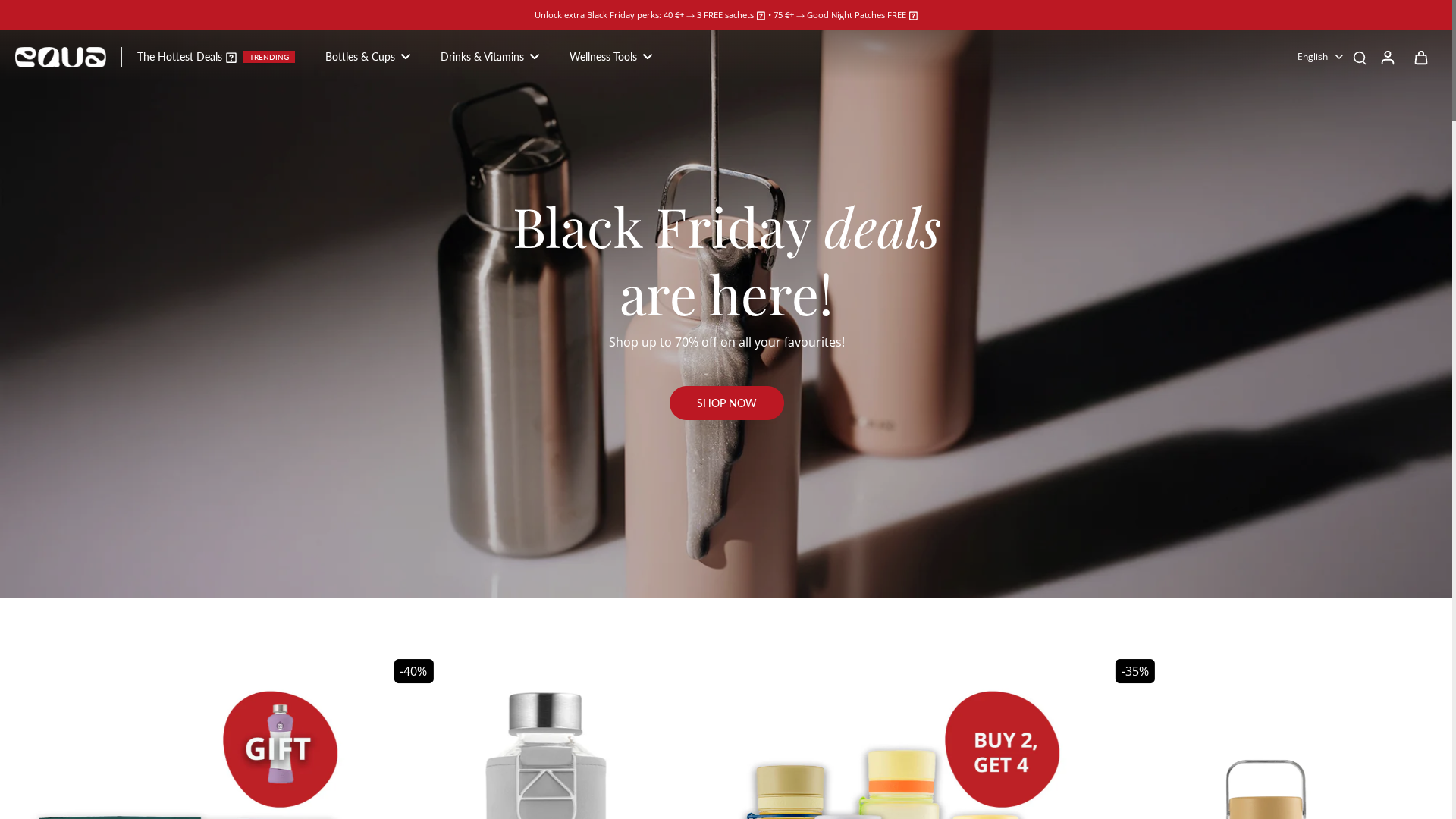
Choose from sleek options like the plain blue water bottle or understated plain grey water bottle that fit seamlessly into any setting, from office desks to gym bags. Each bottle combines durability with eco-friendly materials, reducing single-use plastic waste while encouraging consistent fluid intake throughout your day.
Explore the complete range of EQUA water bottles to find the perfect companion for implementing the hydration strategies discussed in this article. Sustainable hydration starts with small, practical choices that support both your health and environmental responsibility.
Frequently asked questions
What is hydration?
Hydration is the physiological process of maintaining adequate water levels in your body to support essential functions like temperature regulation, nutrient transport, and waste elimination. Your body constantly loses water through breathing, sweating, and urination, requiring regular fluid intake to maintain balance. Optimal hydration keeps all bodily systems functioning efficiently.
How much water should I drink daily?
Daily water needs vary based on body size, activity level, climate, and diet, making the 8x8 rule unreliable. A better approach is monitoring urine color (pale yellow indicates optimal hydration) and drinking when thirsty. Active individuals, those in hot climates, and people with certain medical conditions need significantly more fluid than sedentary individuals in temperate environments.
Can you drink too much water?
Yes, overhydration dilutes blood sodium levels, causing hyponatremia with symptoms including nausea, confusion, and in severe cases, seizures. This typically occurs when people drink excessive water rapidly without electrolyte replacement, especially during endurance exercise. For most people under normal conditions, kidneys efficiently excrete excess water, making overhydration uncommon.
What are the best ways to stay hydrated besides drinking water?
Eating water-rich foods like watermelon, cucumbers, strawberries, and lettuce contributes significantly to total fluid intake while providing nutrients. Herbal teas, milk, and even coffee in moderation count toward hydration goals. Soups and smoothies offer substantial fluid along with calories and vitamins, making them excellent hydration sources.
When should I use electrolyte drinks?
Electrolyte drinks are beneficial during intense exercise exceeding 60 minutes, in extreme heat causing heavy sweating, or during illness with vomiting or diarrhea. They replace sodium, potassium, and other minerals lost through sweat and bodily fluids. For typical daily activities and moderate exercise under an hour, plain water provides adequate hydration without unnecessary sodium or sugar intake.
How do I know if I am dehydrated?
Dehydration signs include dark yellow or amber urine, decreased urination frequency, persistent thirst, fatigue, dizziness, and dry mouth. Checking your urine color provides the simplest assessment method, with pale yellow indicating optimal hydration. More advanced symptoms like confusion, rapid heartbeat, or inability to urinate require immediate medical attention. For personalized strategies, review these hydration tips to maintain optimal fluid balance.
Recommended
- Hydration tips list: smart strategies for wellness 2026 – EQUA - Sustainable Water Bottles
- Daily Hydration: How It Fuels Your Health and Wellness – EQUA - Sustainable Water Bottles
- Why Hydration Matters for Health and Wellness – EQUA - Sustainable Water Bottles
- Why Prioritize Hydration: Wellness, Energy, and Resilience – EQUA - Sustainable Water Bottles
- The Ultimate Guide to Barrier Restoring Moisturizer: What It Is, Why Y – Body Face Scalp
Share
شركة سكاي لخدمات نقل العفش والاثاث بالمنطقة العربية السعودية نحن نوفر خدمات نقل اثاث بالرياض ونقل عفش بالمدينة المنورة ونقل عفش بمكة ونقل عفش بالطائف نحن نقدم افضل نقل اثاث بخميس مشيط ونقل عفش بجدة
https://treeads.net/ شركة سكاي نقل العفش
https://treeads.net/blog.html مدونة لنقل العفش
https://treeads.net/movers-mecca.html شركة نقل عفش بمكة
https://treeads.net/movers-riyadh-company.html شركة نقل عفش بالرياض
https://treeads.net/all-movers-madina.html شركة نقل عفش بالمدينة المنورة
https://treeads.net/movers-jeddah-company.html شركة نقل عفش بجدة
https://treeads.net/movers-taif.html شركة نقل عفش بالطائف
https://treeads.net/movers-dammam-company.html شركة نقل عفش بالدمام
https://treeads.net/movers-qatif.html شركة نقل عفش بالقطيف
https://treeads.net/movers-jubail.html شركة نقل عفش بالجبيل
https://treeads.net/movers-khobar.html شركة نقل عفش بالخبر
https://treeads.net/movers-ahsa.html شركة نقل عفش بالاحساء
https://treeads.net/movers-kharj.html شركة نقل عفش بالخرج
https://treeads.net/movers-khamis-mushait.html شركة نقل عفش بخميس مشيط
https://treeads.net/movers-abha.html شركة نقل عفش بابها
https://treeads.net/movers-qassim.html شركة نقل عفش بالقصيم
https://treeads.net/movers-yanbu.html شركة نقل عفش بينبع
https://treeads.net/movers-najran.html شركة نقل عفش بنجران
https://treeads.net/movers-hail.html شركة نقل عفش بحائل
https://treeads.net/movers-buraydah.html شركة نقل عفش ببريدة
https://treeads.net/movers-tabuk.html شركة نقل عفش بتبوك
https://treeads.net/movers-dhahran.html شركة نقل عفش بالظهران
https://treeads.net/movers-rabigh.html شركة نقل عفش برابغ
https://treeads.net/movers-baaha.html شركة نقل عفش بالباحه
https://treeads.net/movers-asseer.html شركة نقل عفش بعسير
https://treeads.net/movers-mgmaa.html شركة نقل عفش بالمجمعة
https://treeads.net/movers-sharora.html شركة نقل عفش بشرورة
https://treeads.net/how-movers-furniture-yanbu.html كيفية نقل العفش بينبع
https://treeads.net/price-movers-furniture-yanbu.html اسعار نقل عفش بينبع
https://treeads.net/find-company-transfer-furniture-yanbu.html البحث عن شركات نقل العفش بينبع
https://treeads.net/transfer-furniture-khamis-mushit.html شركات نقل العفش بخميس مشيط
https://treeads.net/how-transfer-furniture-khamis-mushit.html كيفية نقل العفش بخميس مشيط
https://treeads.net/price-transfer-furniture-khamis-mushit.html اسعار نقل عفش بخميس مشيط
https://treeads.net/%D8%B4%D8%B1%D9%83%D8%A9-%D8%AC%D9%84%D9%8A-%D8%A8%D9%84%D8%A7%D8%B7-%D8%A8%D8%AC%D8%AF%D8%A9.html شركة جلي بلاط بجدة
https://treeads.net/%D8%B4%D8%B1%D9%83%D8%A9-%D8%AA%D9%86%D8%B8%D9%8A%D9%81-%D9%81%D9%84%D9%84-%D8%A8%D8%AC%D8%AF%D8%A9.html تنظيف فلل بجدة
https://treeads.net/company-transfer-furniture-jazan.html شركة نقل عفش بجازان
https://treeads.net/best-company-cleaning-jeddah-2020.html افضل شركة تنظيف بجدة
شركة مكافحة حشرات بحائل وكذلك شركة كشف تسربات المياه بحائل وتنظيف خزانات وتنظيف الموكيت والسجاد والكنب والشقق والمنازل بحائل وتنظيف الخزانات بحائل وتنظيف المساجد بحائل شركة تنظيف بحائل تنظيف المسابح بحائل
https://jumperads.com/hail/anti-insects-company-hail.html شركة مكافحة حشرات بحائل
https://jumperads.com/hail/water-leaks-detection-company-hail.html شركة كشف تسربات بحائل
https://jumperads.com/hail/hail-company-surfaces.html شركة عزل اسطح بحائل
https://jumperads.com/hail/hail-company-sewage.html شركة تسليك مجاري بحائل
https://jumperads.com/hail/hail-cleaning-company-sofa.html شركة تنظيف كنب بحائل
https://jumperads.com/hail/hail-cleaning-company-mosques.html شركة تنظيف مساجد بحائل
https://jumperads.com/hail/hail-cleaning-company-Carpet.html شركة تنظيف سجاد بحائل
https://jumperads.com/hail/hail-cleaning-company-tanks.html شركة تنظيف خزانات بحائل
https://jumperads.com/hail/hail-cleaning-company-swimming-bath.html شركة تنظيف وصيانة مسابح بحائل
https://jumperads.com/hail/hail-cleaning-company-Furniture.html شركة تنظيف الاثاث بحائل
https://jumperads.com/hail/hail-cleaning-company-home.html شركة تنظيف شقق بحائل
https://jumperads.com/hail/hail-cleaning-company-Carpets.html شركة تنظيف موكيت بحائل
https://jumperads.com/hail/hail-cleaning-company.html شركة تنظيف مجالس بحائل
https://jumperads.com/hail/hail-cleaning-company-house.html شركة تنظيف منازل بحائل
https://jumperads.com/hail/hail-cleaning-company-curtains.html شركة تنظيف ستائر بحائل
https://jumperads.com/hail/hail-cleaning-company-Villas.html شركة تنظيف فلل بحائل
https://jumperads.com/hail/hail-company-tile.html شركة جلي بلاط بحائل
https://www.atar-almadinah.com/%D8%B4%D8%B1%D9%83%D8%A9-%D8%AA%D8%AE%D8%B2%D9%8A%D9%86-%D8%B9%D9%81%D8%B4-%D8%A8%D8%A7%D8%A8%D9%87%D8%A7.html
https://www.atar-almadinah.com/%D8%B4%D8%B1%D9%83%D8%A9-%D8%AA%D8%BA%D9%84%D9%8A%D9%81-%D8%A7%D9%84%D8%B9%D9%81%D8%B4-%D8%A8%D8%A7%D8%A8%D9%87%D8%A7.html
https://www.atar-almadinah.com/%D8%B4%D8%B1%D9%83%D8%A9-%D8%AA%D8%BA%D9%84%D9%8A%D9%81-%D8%A7%D8%AB%D8%A7%D8%AB-%D8%A8%D8%A7%D9%84%D8%B1%D9%8A%D8%A7%D8%B6.html
https://www.atar-almadinah.com/%D8%B4%D8%B1%D9%83%D8%A9-%D8%A7%D9%84%D8%B5%D9%81%D8%B1%D8%A7%D8%AA-%D9%84%D9%86%D9%82%D9%84-%D8%A7%D9%84%D8%B9%D9%81%D8%B4-%D8%A8%D8%A7%D9%84%D8%B1%D9%8A%D8%A7%D8%B6.html
https://www.atar-almadinah.com/%D8%B4%D8%B1%D9%83%D8%A9-%D9%86%D9%82%D9%84-%D8%B9%D9%81%D8%B4-%D8%A8%D8%A7%D8%AD%D8%AF-%D8%B1%D9%81%D9%8A%D8%AF%D8%A9.html
https://www.atar-almadinah.com/%D8%A7%D8%B1%D8%AE%D8%B5-%D8%B4%D8%B1%D9%83%D8%A7%D8%AA-%D9%86%D9%82%D9%84-%D8%B9%D9%81%D8%B4-%D8%A8%D9%8A%D9%86-%D8%A7%D9%84%D9%85%D8%AF%D9%86.html
https://jumperads.com/mecca/anti-insects-company-mecca.html شركة مكافحة حشرات بمكة
https://jumperads.com/mecca/water-leaks-detection-company-mecca.html شركة كشف تسربات بمكة
https://jumperads.com/mecca/mecca-company-surfaces.html شركة عزل اسطح بمكة
https://jumperads.com/mecca/mecca-company-sewage.html شركة تسليك مجاري بمكة
https://jumperads.com/mecca/mecca-cleaning-company-sofa.html شركة تنظيف كنب بمكة
https://jumperads.com/mecca/mecca-cleaning-company-mosques.html شركة تنظيف مساجد بمكة
https://jumperads.com/mecca/mecca-cleaning-company-Carpet.html شركة تنظيف سجاد بمكة
https://jumperads.com/mecca/mecca-cleaning-company-tanks.html شركة تنظيف خزانات بمكة
https://jumperads.com/mecca/mecca-cleaning-company-swimming-bath.html شركة تنظيف وصيانة مسابح بمكة
https://jumperads.com/mecca/mecca-cleaning-company-Furniture.html شركة تنظيف الاثاث بمكة
https://jumperads.com/mecca/mecca-cleaning-company-home.html شركة تنظيف شقق بمكة
https://jumperads.com/mecca/mecca-cleaning-company-Carpets.html شركة تنظيف موكيت بمكة
https://jumperads.com/mecca/mecca-cleaning-company.html شركة تنظيف مجالس بمكة
https://jumperads.com/mecca/mecca-cleaning-company-house.html شركة تنظيف منازل بمكة
https://jumperads.com/mecca/mecca-cleaning-company-curtains.html شركة تنظيف ستائر بمكة
https://jumperads.com/mecca/mecca-cleaning-company-Villas.html شركة تنظيف فلل بمكة
https://jumperads.com/mecca/mecca-company-tile.html شركة جلي بلاط بمكة
https://www.facebook.com/VigorXProusa
https://www.facebook.com/groups/vigorxprousa
https://www.facebook.com/groups/vigorxprous
https://www.facebook.com/groups/vigorx.pro.get
https://www.facebook.com/groups/vigorxprofree
https://www.facebook.com/events/26030539316627962/
https://www.facebook.com/events/2035568460727552/
https://www.facebook.com/events/1957630635143940/
https://www.facebook.com/events/1742301126749503/
https://scribehow.com/viewer/VigorX_Pro_for_Men_A_Complete_Wellness_Solution__NQ6JBA92SQitiXkx9_pwIg
https://scribehow.com/viewer/VigorX_Pro_Review_Does_It_Really_Work_for_Mens_Vitality__PZjROOFvS82lie7B3_C0Xw
https://scribehow.com/viewer/VigorX_Pro_Benefits_for_Energy_and_Performance__3GGN6JKoR_Cgo5WOqvGexA
https://scribehow.com/viewer/VigorX_Pro_Results_Real_Insights_and_Expectations__XfkqFj3OQ8-0EB0rO8NbaQ
https://form.jotform.com/260832248035050
https://form.jotform.com/VigorXProusa/vigorx-pro
https://open.firstory.me/story/cmn5v23280eud01ygdepn0qlq/platforms
https://open.firstory.me/story/cmn5vvo7l003301w05ndg0tvh/platforms
https://open.firstory.me/story/cmn5w17oi003o01w01eqsarb8/platforms
https://vigorxpro.lovable.app/
https://www.trustpilot.com/review/vigorxpro.lovable.app
https://www.facebook.com/TruFull.CBD.Gummies.free
https://www.facebook.com/groups/trufull.cbd.gummies.free
https://www.facebook.com/groups/trufullcbdgummiestry
https://www.facebook.com/groups/get.trufull.cbd.gummies.2026
https://www.facebook.com/events/1289686139700202/
https://www.facebook.com/events/4279008995698926/
https://www.facebook.com/events/1391894836073484/
https://scribehow.com/viewer/TruFull_CBD_Gummies_Review_Can_It_Reduce_Pain_Naturally__HNf4yIbVQ4eqUKbzzPpsHg
https://scribehow.com/viewer/TruFull_CBD_Gummies_Benefits_Dosage_and_Where_to_Buy__jyv8v4yIQMqPlCpI26TQ2Q
https://scribehow.com/viewer/TruFull_CBD_Gummies_Review_Pros_Cons_and_Final_Verdict__pl5WPKUiSV6bKQgi-PbzSQ
https://scribehow.com/viewer/TruFull_CBD_Gummies_Improve_Mood_Sleep_and_Relaxation__sXpTvphxRUiz7t8a8W_hhQ
https://open.firstory.me/story/cmn2r3eey009l01z1hsl7g1qi/platforms
https://form.jotform.com/260811054873052
https://form.jotform.com/CBDGummies/trufull-cbd-gummies
https://www.trustpilot.com/review/trufullcbdgummiesusa.lovable.app
https://trufullcbdgummiesusa.lovable.app/
