


Why Sustainable Hydration Matters for Modern Wellness
Balancing active routines with mindful choices can make daily hydration surprisingly complex for health-conscious Europeans. Sustainable hydration is more than a trend—it blends personal wellness with environmental stewardship, transforming how you care for your body and the planet. By embracing sustainable hydration practices, you support your health while helping to conserve precious water resources for future generations. Discover how the right eco-friendly habits and products can turn hydration into a rewarding part of your wellness journey.
Table of Contents
- Defining Sustainable Hydration And Core Concepts
- Types Of Eco-Friendly Hydration Solutions
- Health And Environmental Benefits Explained
- Real-World Impact On Wellness And Lifestyle
- Common Mistakes And Best Practices For Adoption
Key Takeaways
| Point | Details |
|---|---|
| Sustainable Hydration | It emphasizes the necessity of personal hydration while protecting water resources and ensuring equitable access to clean water. |
| Eco-Friendly Solutions | Utilizing reusable bottles and filtration systems significantly reduces reliance on single-use plastics, promoting environmental health. |
| Health Benefits | Consistent hydration supports kidney function, metabolism, and immune health, preventing chronic diseases over time. |
| Behavioral Change | Establishing hydration routines and monitoring intake transforms hydration from a task into a natural part of daily life. |
Defining Sustainable Hydration and Core Concepts
Sustainable hydration goes beyond simply drinking enough water. It’s about meeting your body’s hydration needs while actively protecting the planet’s water systems and ensuring equitable access to clean water for everyone. For health-conscious Europeans navigating modern wellness, this means making choices that benefit both your health and the world you live in. The concept bridges personal wellness with environmental responsibility, creating a philosophy that feels natural rather than restrictive.
At its core, sustainable hydration involves two interconnected elements. First, you need proper internal hydration to maintain peak physical performance, mental clarity, and overall health. Your body depends on consistent water intake for temperature regulation, nutrient transport, joint lubrication, and cognitive function. Second, sustainable hydration requires selecting hydration methods that minimize environmental damage. This means choosing reusable bottles over single-use plastics, understanding where your water comes from, and recognizing how your consumption patterns affect local water cycles. When you use a durable stainless steel or glass bottle instead of disposable alternatives, you’re not just reducing waste; you’re supporting a system that keeps water accessible for future generations.
The broader framework emphasizes restoring global water cycles through sustainable management at local and regional levels. This perspective shows that individual hydration choices matter at scale. When millions of people reduce plastic consumption and adopt mindful water usage, the cumulative effect supports soil health, landscape restoration, and water retention in ecosystems. For you, this translates into practical decisions: refilling your bottle from filtered tap water rather than buying packaged bottled water, understanding seasonal availability of water in your region, and being intentional about when and how much you drink. Creating sustainable hydration routines makes responsible water consumption feel automatic rather than like another wellness obligation.
Pro tip: Start by calculating your actual daily hydration needs based on your body weight, climate, and activity level, then invest in one quality reusable bottle that fits your lifestyle, transforming sustainable hydration from a concept into a daily habit.
Types of Eco-Friendly Hydration Solutions
When you commit to sustainable hydration, you’re choosing from a spectrum of options that range from personal bottles to home filtration systems. The most effective eco-friendly solutions share one thing in common: they eliminate or drastically reduce reliance on single-use plastics. For Europeans aged 25 to 40, this shift often starts with understanding what alternatives actually exist beyond the convenience of grab-and-go bottled water. The good news is that sustainable options have become genuinely practical, stylish, and affordable.
Reusable bottles remain the cornerstone of sustainable hydration. Stainless steel and glass bottles offer durability, thermal regulation, and the ability to last for years rather than minutes. Unlike disposable plastic alternatives, these bottles maintain their integrity through hundreds of refills, making them economically sensible over time. You can pair your reusable bottle with a home water filtration system to ensure tap water quality matches or exceeds bottled alternatives. Beyond personal bottles, bottleless water coolers provide household hydration without generating packaging waste, while portable water filters enable you to safely refill from various sources during travel. Each solution addresses a different lifestyle need, whether you’re commuting through Berlin, hiking in the Alps, or settling into a home office in Warsaw.
Another promising avenue involves advanced water treatment methods. Natural coagulants derived from plants offer sustainable water purification without the toxic sludge created by traditional chemical treatments. These innovations matter because they support cleaner water systems at the source, reducing the contamination that makes people reach for bottled water in the first place. When communities invest in better tap water infrastructure using eco-friendly purification, the entire hydration ecosystem improves. Your personal choice to use a reusable bottle works synergistically with these larger systemic improvements.
The practical reality is that most Europeans have access to safe tap water, yet bottled water consumption creates substantial environmental harm through energy use, transportation emissions, and plastic waste. Choosing a quality reusable bottle addresses this directly. Add a compact water filter if your tap water quality concerns you, and you’ve created a sustainable hydration system that costs less than your current spending on bottled water while eliminating packaging waste entirely.
Pro tip: Select a reusable bottle you genuinely enjoy carrying based on insulation performance, weight, and aesthetic appeal, since you’ll use it daily, and pair it with a pitcher filter for home use to create a complete sustainable hydration system that covers all your drinking scenarios.
Here’s how popular eco-friendly hydration solutions compare:
| Solution Type | Durability & Longevity | Main Benefit | Suitability |
|---|---|---|---|
| Stainless Steel Bottle | Lasts for years, robust | Maintains temperature well | Daily commuting, office |
| Glass Bottle | Fragile, long-lasting | No flavor transfer | Home, low-impact travel |
| Home Filtration System | Permanent, minimal waste | Improves tap water quality | Families, households |
| Portable Water Filter | Reusable, compact | Safe refills during travel | Outdoor, travel use |
| Bottleless Cooler | High initial longevity | No refill bottles or waste | Workplaces, high-traffic |
Health and Environmental Benefits Explained
The connection between hydration and wellness extends far beyond feeling thirsty or refreshed. When you maintain consistent hydration, your body functions optimally at every level. Optimal hydration supports critical processes that most people never think about: kidney function, metabolic health, and immune system strength. Your kidneys filter waste from your bloodstream, but they need adequate water to do this efficiently. Without proper hydration, you increase your risk for kidney stones, urinary tract infections, and metabolic diseases that develop over years of inadequate water intake. For health-conscious Europeans managing busy careers and active lifestyles, this means that consistent hydration isn’t a luxury habit but a foundation for preventing serious health problems down the road.
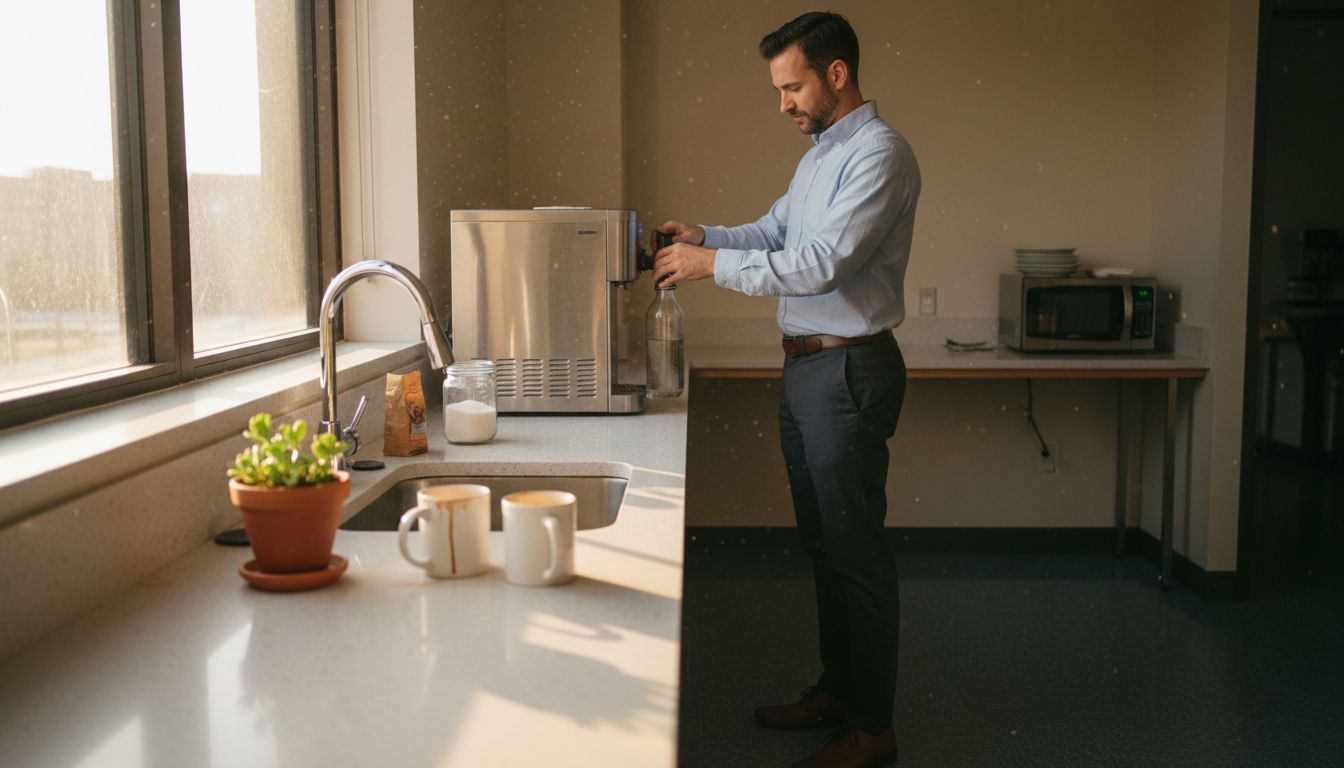
The science behind hydration’s protective effects reveals something compelling. Proper water intake affects physiological, metabolic, immune, and microbiome health in ways that extend throughout your entire body. When your hydration is poor, your organs struggle to function properly, eventually contributing to disease development. Conversely, when you prioritize hydration, you’re essentially activating your body’s natural defense systems. This isn’t about drinking excessive amounts of water. It’s about consistent, moderate intake that matches your individual needs based on climate, activity level, and body composition. The payoff includes better cognitive function, improved skin health, enhanced athletic performance, and reduced chronic disease risk as you age.
On the environmental side, sustainable hydration creates measurable positive impact. When you choose reusable bottles and tap water over single-use bottled water, you’re reducing resource extraction, manufacturing pollution, and transportation emissions simultaneously. The production of bottled water consumes enormous quantities of water itself, plus energy for manufacturing and shipping. By shifting to sustainable methods, you reduce waste and conserve water resources, supporting ecosystem health that ultimately benefits human longevity. Your individual choice multiplied across millions of Europeans creates pressure for better water infrastructure, cleaner treatment systems, and policies that protect freshwater sources. This isn’t abstract environmental activism. It directly connects to cleaner water availability for your children and grandchildren.
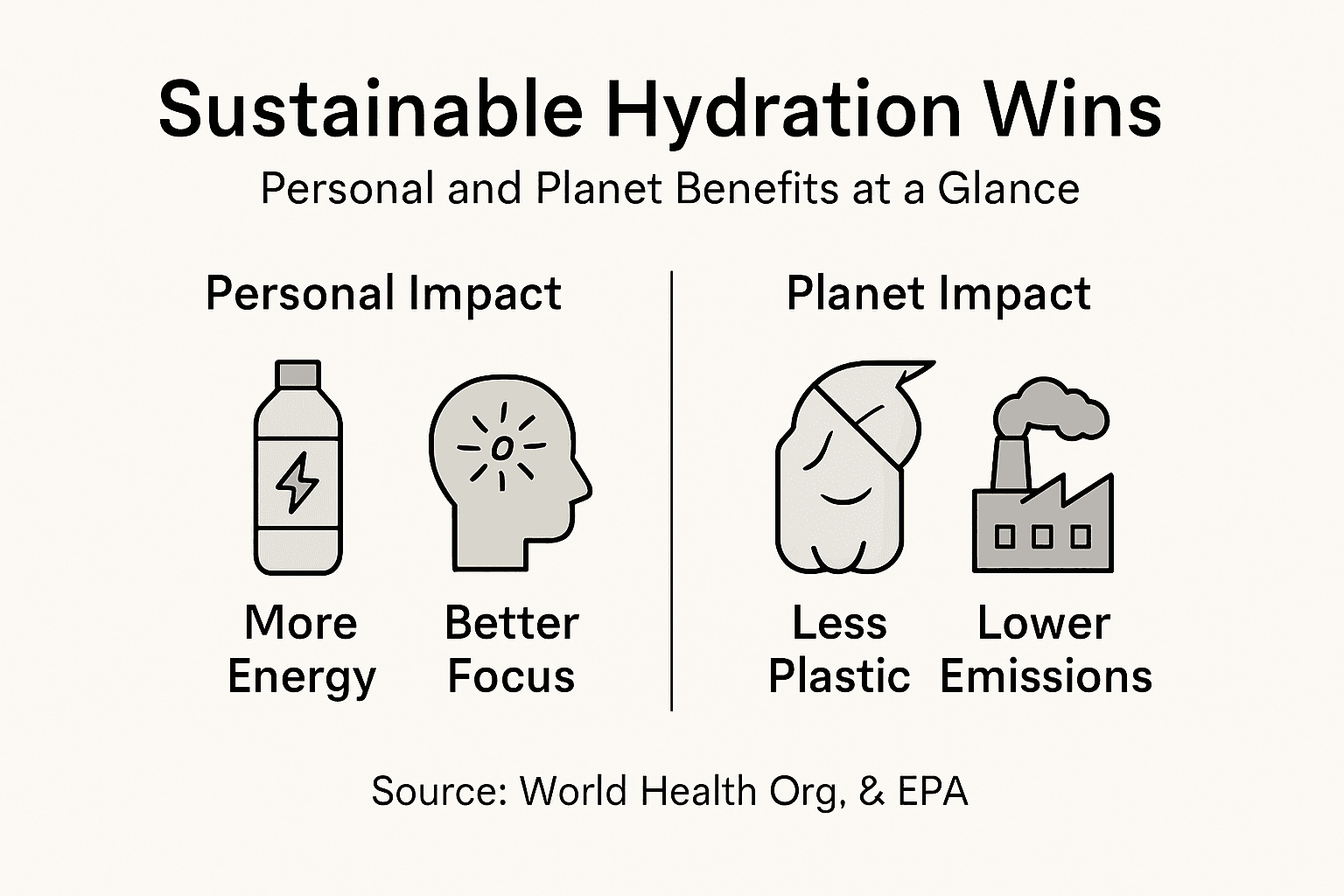
The alignment between personal health and planetary health through hydration creates a rare win-win situation. You’re not sacrificing wellness for environmental responsibility or vice versa. Both improve simultaneously when you adopt sustainable hydration practices. This alignment makes the transition easier psychologically because you’re making choices that benefit yourself and the world you inhabit.
Pro tip: Track your hydration for one week using a simple notes app or water bottle markings to establish your baseline intake, then adjust gradually to match recommended levels for your body weight and climate, making sustainable hydration feel like a natural part of your routine rather than an additional wellness task.
Below is a summary of hydration’s benefits for both health and environment:
| Benefit Area | Personal Impact | Environmental Impact |
|---|---|---|
| Physical Health | Supports kidneys, metabolism, immunity | Less demand for single-use bottles |
| Cognitive Health | Enhances focus, mental clarity | Reduces manufacturing emissions |
| Long-term Disease | Lowers risk of chronic conditions | Supports local water ecosystems |
| Economic | Saves money over bottled water | Less packaging waste, reduced landfill |
Real-World Impact on Wellness and Lifestyle
Sustainable hydration isn’t an abstract wellness concept. It manifests in concrete, measurable ways throughout your daily life. When you commit to consistent hydration paired with sustainable practices, you’re not just changing what you drink. You’re transforming how your body performs, how you think, and how you interact with your environment. For busy professionals across Europe balancing work, fitness, and family responsibilities, this shift becomes noticeably real within weeks. Your energy levels stabilize, your skin improves, your workouts feel stronger, and your mind processes information more clearly.
Consider the workplace impact specifically. Organizations that provide access to sustainable hydration methods report measurable productivity gains alongside reduced plastic waste. When you have easy access to filtered water and reusable bottles at your desk or during meetings, you drink more consistently without thinking about it. This consistency directly improves focus, reduces afternoon energy crashes, and decreases the frequency of headaches that plague office workers. Your colleagues notice you’re sharper in meetings. Your project work shows fewer errors. You take fewer sick days because your immune system functions optimally with adequate hydration. These aren’t minor improvements. Multiplied across a team or organization, they create significant performance differences. The environmental benefit runs parallel: your workplace generates far less plastic waste while simultaneously functioning better.
On a personal wellness level, chronic adequate water intake supports long-term health by fostering cognitive function and physical health over years and decades. This extends beyond current wellness trends. You’re building resilience against kidney disease, metabolic dysfunction, and cognitive decline that many people experience as they age. The athletes among you notice faster recovery times and improved endurance. Parents find they manage stress better and model healthy habits for their children. Weekend hikers can maintain energy throughout longer expeditions. The consistency of sustainable hydration becomes woven into your identity rather than feeling like another wellness obligation.
The lifestyle shift happens gradually but unmistakably. You stop viewing plastic bottles as normal. You forget to carry your reusable bottle and feel something is missing. You naturally reach for tap water in restaurants and refill stations. Your water bottle becomes as essential as your phone. This integration of sustainable hydration into your everyday routine creates a psychological shift where environmental stewardship feels like self-care rather than sacrifice.
Pro tip: Establish one non-negotiable hydration anchor point in your daily routine, such as drinking a full glass of water with breakfast or refilling your bottle during your commute, then let additional hydration naturally follow from that single consistent habit.
Common Mistakes and Best Practices for Adoption
Most people who attempt to improve their hydration habits fail within weeks because they approach it wrong. The biggest mistake is assuming that willpower alone sustains behavior change. You can’t rely on remembering to drink water amid a busy day. Instead, you need systems that make hydration automatic. Another critical error involves ignoring early warning signs of dehydration. By the time you feel thirsty, your body is already experiencing performance decline. Thirst is a late indicator, not an early one. Additionally, many people sabotage their hydration by consuming sugary energy drinks or relying on caffeine as a substitute for water. While coffee counts toward fluid intake, it can’t replace pure water’s physiological benefits. The most overlooked mistake is failing to monitor your hydration status through simple markers like urine color and volume. When you don’t track these indicators, you’re flying blind, guessing whether you’re adequately hydrated.
Successful adoption requires reversing these patterns through deliberate practices. Start by conducting an honest initial assessment of your current hydration habits, calculating your actual daily needs based on your body weight, climate, and activity level. This gives you a personalized target rather than a vague recommendation. Next, create friction for bad choices and remove friction for good ones. If you’re buying bottled water regularly, that’s friction you’ve accepted. Instead, make tap water the path of least resistance by keeping your reusable bottle filled and accessible. Build sustainable hydration into existing routines rather than creating new ones. Refill your bottle at the same time you make your morning coffee. Drink a glass of water immediately after your workout. These anchor points integrate hydration into your existing life.
Building consistent hydration habits requires combining education with easy access to water. Understanding why hydration matters motivates initial effort, but accessibility ensures behavior persists. If your workplace or home doesn’t support easy access to clean water, you’ll naturally default to less sustainable choices. The most effective approach pairs knowledge with environmental design. You need to know what proper hydration looks like for your individual circumstances, then structure your environment to make that behavior effortless. Watch your urine color as your primary feedback mechanism: pale yellow indicates adequate hydration, darker tones signal you need to drink more. This simple visual check takes three seconds and provides immediate guidance without complex calculations.
Pro tip: Set a calendar reminder for mid-morning and mid-afternoon to refill your bottle rather than relying on thirst signals, and measure your baseline urine color when properly hydrated so you have a visual reference for monitoring your hydration status throughout the day.
Elevate Your Wellness with Sustainable Hydration Solutions
The challenge for modern wellness seekers is clear: balancing proper hydration with environmental responsibility while maintaining a busy lifestyle. This article highlights that sustainable hydration is not just about drinking enough water but making mindful choices that support your health and protect the planet. If you are ready to embrace this blend of personal wellbeing and eco-conscious living, our curated selection of durable, stylish hydration bottles and wellness products can help transform these goals into your daily routine.
Discover how easily you can make sustainable hydration a natural part of your life by exploring our Black Friday deals offering up to 70 percent off on premium reusable bottles and accessories. Whether you prefer stainless steel or glass bottles, want to combine your hydration with functional wellness drinks from our Drinks collection, or are searching for thoughtful gifts in our ✨ Gift Guide ✨, Myequa.com has everything to support your health and environmental values. Visit https://myequa.com now to start your sustainable hydration journey and feel the difference in your wellness today.
Frequently Asked Questions
What is sustainable hydration?
Sustainable hydration refers to meeting your body’s hydration needs while also protecting planetary water systems and ensuring everyone has access to clean water. It combines personal wellness with environmental responsibility.
How can I practice sustainable hydration?
You can practice sustainable hydration by using reusable water bottles, opting for filtered tap water instead of bottled water, understanding your local water availability, and being mindful of your overall water consumption patterns.
What are the benefits of using reusable water bottles?
Reusable water bottles, such as those made from stainless steel or glass, offer durability, help maintain the temperature of your beverages, and significantly reduce reliance on single-use plastics, thereby benefiting both your health and the environment.
How does hydration impact my health?
Consistent hydration is crucial for optimal kidney function, metabolic health, and cognitive performance. Adequate water intake helps prevent chronic health issues, enhances physical performance, and supports overall wellness over time.
Recommended
- Why Prioritize Hydration: Wellness, Energy, and Resilience – EQUA - Sustainable Water Bottles
- Daily Hydration: How It Fuels Your Health and Wellness – EQUA - Sustainable Water Bottles
- Sustainable Wellness: Transforming Everyday Health Habits – EQUA - Sustainable Water Bottles
- 7 Essential Hydration Tips for Adults Seeking Wellness – EQUA - Sustainable Water Bottles
- Cruise health and wellness tips for travelers
