


7 Key Advantages of BPA-Free Bottles for Wellness Seekers
Every year, millions of American and European millennials exchange single-use plastic water bottles for safer, eco-friendly alternatives. Scientific research shows that some plastics can leach chemicals like BPA into your drinks, increasing long-term health risks. For those seeking a cleaner wellness routine, BPA free bottles offer a powerful way to reduce exposure, keep drinks pure, and embrace sustainability. Discover the smart hydration choices that help you stay healthy while making the most of holiday shopping deals.
Table of Contents
- Reduced Exposure To Harmful Chemicals
- Enhanced Taste And Purity Of Drinks
- Durable And Long-Lasting Material Choices
- Eco-Friendly And Sustainable Design
- Healthier Hydration For Everyday Use
- Easy Maintenance And Cleaning Benefits
- Supporting Smart And Safe Shopping Choices
Quick Summary
| Takeaway | Explanation |
|---|---|
| 1. Choose BPA-free bottles | Select water bottles made from safer materials to avoid harmful chemicals affecting health. |
| 2. Opt for stainless steel | Stainless steel bottles preserve taste and provide a durable, non-leaching alternative. |
| 3. Prioritize eco-friendly options | Investing in reusable stainless steel reduces plastic waste and supports sustainability. |
| 4. Maintain bottle hygiene | Regular cleaning of water bottles minimizes bacterial buildup and preserves drink quality. |
| 5. Educate yourself on materials | Understanding labels and materials helps make informed choices for healthier hydration. |
1. Reduced Exposure to Harmful Chemicals
Your drinking bottle is more than just a container—it’s a potential gateway for harmful chemicals entering your body. BPA, an industrial chemical used in plastics since the 1950s, poses significant health risks that many wellness seekers are now actively avoiding.
Research from the Mayo Clinic highlights the dangers of BPA, revealing its potential to leach into beverages and negatively impact brain development, prostate gland function, and childhood behavior. When plastic containers are heated or aged, the risk of chemical transfer increases substantially.
A scientific study examining water bottles demonstrated that certain materials dramatically reduce chemical exposure. Research published in scientific journals found that stainless steel and co-polyester lined aluminum bottles prevented BPA contamination, while epoxy resin lined containers posed significant risks.
Choosing BPA free bottles means protecting yourself from potential endocrine disrupting chemicals that can mimic hormones in your body. By selecting bottles made from safer materials like medical grade stainless steel or specialized co-polyester, you create a critical barrier against unwanted chemical interactions.
Pro tip: Always check the bottom of your water bottle for recycling codes. Codes 3 and 7 often indicate potential BPA presence, so opt for bottles marked with codes 1, 2, 4, 5, or 6 for safer hydration.
2. Enhanced Taste and Purity of Drinks
The container you choose dramatically impacts the flavor profile and quality of your beverages. Many people are unaware that plastic bottles can introduce unwanted chemical undertones that fundamentally alter drink taste and purity.
Scientific research reveals that certain plastic containers can leach chemicals into liquids, creating subtle yet significant taste modifications. BPA and other industrial chemicals act like invisible contaminants, transforming your refreshing water or herbal tea into a potentially compromised drinking experience.
Stainless steel and specialized co-polyester bottles offer superior taste preservation, creating an impenetrable barrier between your drink and external chemical interactions. These materials do not absorb or transfer flavors, ensuring that every sip tastes exactly as intended.
Consider how a pure water bottle can transform your hydration routine. By selecting BPA free containers, you protect not just your health but also the authentic flavor profile of your favorite beverages. Whether you are enjoying water, herbal tea, or infused water recipes, the right bottle makes all the difference.
Pro tip: Rinse your new bottle thoroughly before first use to eliminate any manufacturing residues that might impact initial drink taste. This simple step ensures a clean, pure drinking experience from the very first pour.
3. Durable and Long-Lasting Material Choices
Not all water bottles are created equal when it comes to durability and longevity. The materials you choose can significantly impact how long your hydration companion will serve you without compromising quality or performance.
Scientific research demonstrates that stainless steel and co-polyester lined aluminum bottles offer exceptional durability compared to traditional plastic containers. These advanced materials resist degradation, maintaining their structural integrity even under repeated use and varying environmental conditions.
Material performance becomes critical when considering your daily hydration needs. Stainless steel bottles stand out as robust solutions that can withstand temperature fluctuations, accidental drops, and extensive travel without showing signs of wear. Unlike plastic alternatives that may crack, warp, or leach chemicals, these premium materials provide a consistent drinking experience year after year.
The investment in a high quality bottle goes beyond initial cost. By selecting durable bottle materials, you reduce waste, minimize environmental impact, and ensure a reliable hydration companion that adapts to your active lifestyle.
Pro tip: Inspect your bottle periodically for signs of wear such as dents, scratches, or seal deterioration. Regular maintenance can extend your bottle’s functional lifespan and maintain its performance.
4. Eco-Friendly and Sustainable Design
Environmental consciousness goes far beyond recycling. Your choice of water bottle can be a powerful statement about personal sustainability and ecological responsibility.
Scientific research reveals that selecting the right bottle materials can significantly reduce environmental waste. Stainless steel bottles represent a breakthrough in sustainable design, offering remarkable longevity and recyclability that traditional plastic containers cannot match.
When you invest in a high quality, durable bottle, you are doing more than protecting your health. Long-term sustainability studies demonstrate that stainless steel bottles can last 5 to 10 years with proper care. This means a single bottle can replace hundreds of single-use plastic containers, dramatically reducing your personal plastic footprint.
The environmental impact extends beyond just durability. These bottles are 100% recyclable and do not degrade in quality during the recycling process. By choosing materials that support a circular economy, you are actively participating in a global movement toward more responsible consumption.
Pro tip: Calculate your personal plastic reduction by tracking how many single-use bottles you replace each month with your reusable stainless steel bottle. Seeing your direct environmental impact can be a powerful motivator for sustained eco-friendly choices.
5. Healthier Hydration for Everyday Use
Your daily water intake is more than just a numbers game. The container you choose can significantly impact your overall wellness and long-term health.
Medical experts from the Mayo Clinic highlight the critical importance of reducing chemical exposure through mindful hydration choices. BPA free bottles represent a proactive approach to protecting your body from potential harmful chemical interactions that can occur during routine drinking.
Consistent hydration matters, but the quality of your hydration source is equally important. Scientific research demonstrates that certain container materials can leach chemicals into your beverages, potentially compromising your wellness goals. By selecting BPA free bottles made from stainless steel or co-polyester, you create a safe barrier between your drink and potential contaminants.
Understanding your hydration needs goes beyond simply tracking water intake. It involves making informed choices about the vessels that deliver those life sustaining liquids. Stainless steel and specialized materials offer a clean, neutral drinking experience that supports your body’s natural processes.
Pro tip: Establish a daily hydration routine by keeping your BPA free bottle in a consistent, visible location. This visual reminder can help you maintain steady water intake and make healthier drinking a natural part of your wellness strategy.
6. Easy Maintenance and Cleaning Benefits
Not all water bottles are created equal when it comes to cleaning and maintenance. Your ideal hydration companion should simplify your routine, not complicate it.
Scientific research reveals that material choice plays a crucial role in bottle hygiene. Stainless steel and co-polyester bottles offer remarkable resistance to bacterial buildup and odor retention, making them superior to traditional plastic alternatives.
Unlike porous plastic containers that trap bacteria and develop unpleasant smells, advanced bottle materials provide a smooth, non reactive surface that remains clean with minimal effort. The non porous nature means fewer hiding spots for microorganisms and easier maintenance.
Effective cleaning involves more than just visual appearance. Stainless steel bottles can be thoroughly sanitized using hot water, mild soap, or even standard dishwasher cycles without degrading the material or compromising its structural integrity. This durability translates to a low maintenance solution for your daily hydration needs.
Pro tip: Create a weekly cleaning schedule for your bottle. Rinse thoroughly after each use and perform a deep clean with a bottle brush and mild detergent at least once a week to maintain optimal hygiene and freshness.
7. Supporting Smart and Safe Shopping Choices
Consumer awareness is the first line of defense in making healthier purchasing decisions. Understanding what goes into your everyday products can transform your approach to wellness and personal safety.
Medical experts at the Mayo Clinic recommend a proactive approach to product selection, particularly when it comes to items that interact with food and beverages. Informed shopping means looking beyond marketing claims and understanding the fundamental properties of the materials you bring into your daily life.
When shopping for hydration solutions, key considerations extend far beyond aesthetic appeal. Look for clear labeling that explicitly states BPA free credentials. Pay attention to material composition, avoiding containers made from polycarbonate plastics or epoxy resins that may contain harmful chemical compounds.
Consumer education plays a critical role in making smart choices. Understanding recycling codes, researching manufacturing processes, and staying informed about potential chemical risks empowers you to make selections that align with your wellness goals. Not all BPA free products are created equal, so developing a discerning eye is crucial.
Pro tip: Create a simple checklist for your water bottle purchases that includes material safety, durability, recyclability, and manufacturing transparency. This approach transforms shopping from a passive experience into an active wellness strategy.
Below is a comprehensive table summarizing the key benefits and considerations of choosing appropriate water bottles as discussed in the article.
| Topic | Description | Key Considerations |
|---|---|---|
| Reduced Exposure to Chemicals | BPA in plastics poses health risks. Choose BPA free materials like stainless steel or co-polyester. | Check recycling codes; codes 1, 2, 4, 5, or 6 are safer. |
| Enhanced Taste and Purity | Materials like stainless steel preserve the authentic taste of drinks. | Rinse bottles before first use to remove residues. |
| Durability and Longevity | Stainless steel bottles resist degradation and maintain integrity. | Inspect regularly for wear to ensure longevity. |
| Eco-Friendly Design | Choosing sustainable bottles reduces waste and plastic footprint. | Track single-use bottle reduction to gauge environmental impact. |
| Healthier Hydration | BPA free bottles protect against chemical exposure. | Keep bottles visible to encourage consistent water intake. |
| Easy Maintenance | Non-porous materials like stainless steel offer easy cleaning. | Establish a cleaning routine to maintain hygiene. |
| Smart Shopping Choices | Understand material safety and look for BPA free labels. | Use a checklist for material safety and transparency when shopping. |
Discover the Healthier Hydration Solution You Deserve
If you are concerned about the risks of BPA and want to protect your wellbeing while enjoying pure and refreshing drinks, it is time to make a change. Our collection of BPA free water bottles by EQUA offers stylish, safe, and durable options that block harmful chemicals and preserve the authentic flavor of your beverages. Choosing these bottles means investing in your health, reducing plastic waste, and supporting sustainable living.
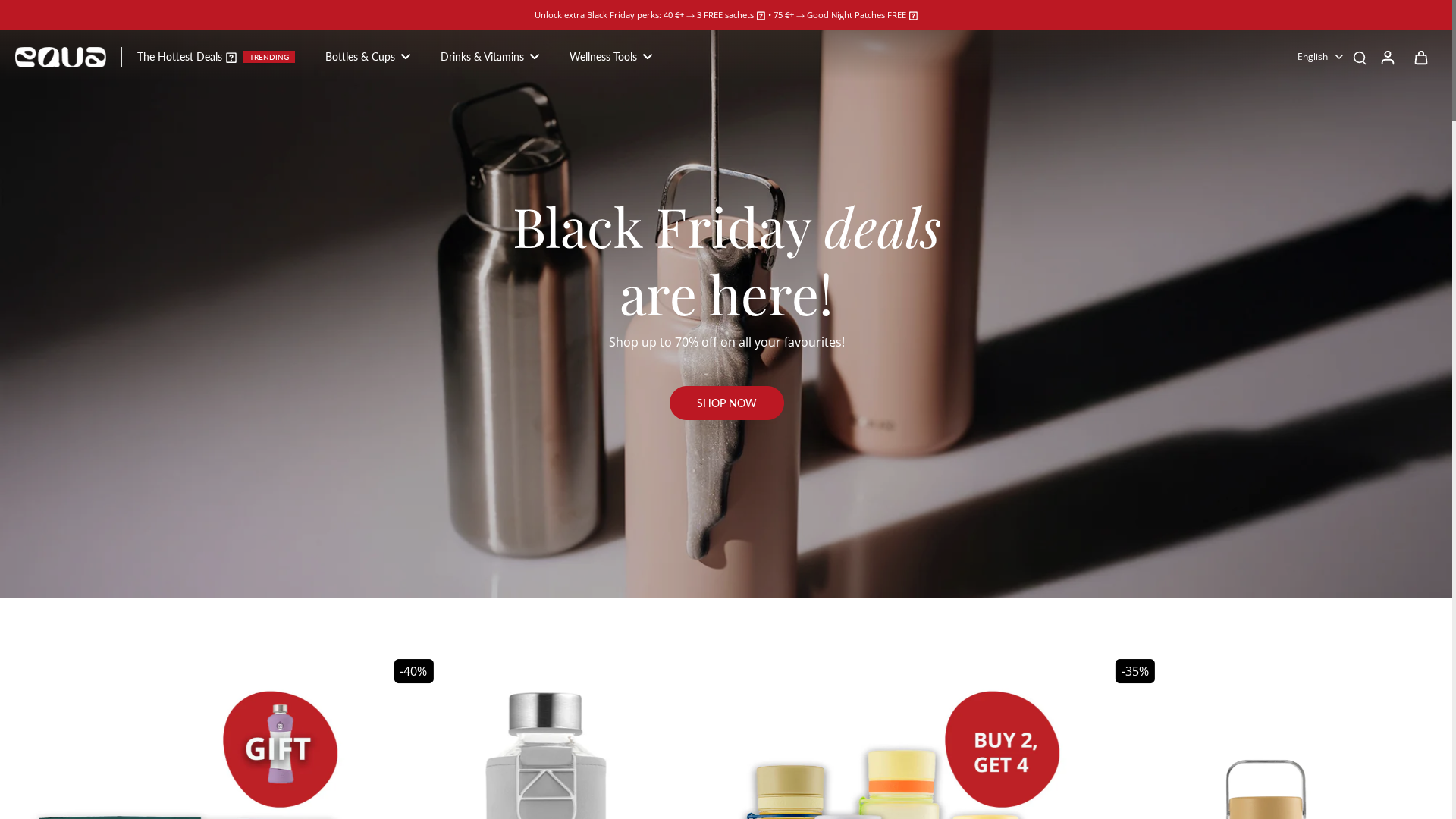
Explore our premium selection today and take advantage of exclusive offers during our Black Friday event. Don’t wait to upgrade your hydration routine with trusted products designed for wellness seekers. Visit Myequa.com now and experience the benefits of BPA free bottles crafted for your lifestyle.
Frequently Asked Questions
What are the health benefits of using BPA-free bottles?
Using BPA-free bottles protects you from harmful chemicals that may leach into your beverages. Opt for bottles made from materials like stainless steel or co-polyester to keep your drinks safe and free from endocrine disruptors.
How do BPA-free bottles improve the taste of my beverages?
BPA-free bottles prevent the transfer of unwanted flavors and odors into your drinks, ensuring a pure taste. Choose stainless steel or co-polyester bottles for an authentic flavor experience without chemical interference.
Why should I choose stainless steel over plastic water bottles?
Stainless steel bottles are more durable and resistant to wear compared to plastic alternatives, which can crack or leach chemicals. Invest in a stainless steel bottle to enjoy a reliable hydration solution that lasts for years.
How can using BPA-free bottles contribute to sustainability?
BPA-free bottles, especially stainless steel ones, significantly reduce environmental waste by replacing single-use plastic containers. By using a durable bottle, you can decrease your plastic footprint and support eco-friendly practices.
What maintenance is required for BPA-free bottles?
BPA-free bottles, particularly stainless steel, require minimal maintenance and are easy to clean. Rinse thoroughly after each use and perform a deep clean weekly to ensure optimal hygiene and longevity.
How can I make informed choices when purchasing BPA-free bottles?
Look for clear labeling that states BPA-free status and check the material composition to avoid harmful plastics. Create a checklist that includes safety, durability, and recyclability features to guide your purchasing decisions.
Recommended
Zdieľať
