


BPA-Free Bottles: Why They Matter for Family Health
Finding a truly safe BPA-free bottle can be confusing when even popular american brands sometimes use alternative chemicals that are not well studied. For many health-conscious European parents, this raises real concerns about long-term health, especially when looking for practical hydration solutions for children. With European regulations tightening and over 90 percent of people exposed to BPA through plastics, understanding what BPA-free really means helps families make smart choices while scoring holiday wellness deals.
Table of Contents
- What Does BPA-Free Bottle Mean
- Types and Materials of BPA-Free Bottles
- Health Risks of BPA in Bottles
- Current European BPA Regulations
- Choosing Safe Alternatives to BPA-Free Bottles
Key Takeaways
| Point | Details |
|---|---|
| BPA-Free Does Not Mean Chemical-Free | BPA-free bottles may contain alternative chemicals that could pose similar health risks. Thorough research on bottle materials is essential for safety. |
| Regulatory Variations | The regulatory landscape for BPA varies significantly between the U.S. and Europe, with the EU adopting stricter bans on BPA in food contact materials. |
| Material Considerations | When choosing a BPA-free bottle, opt for truly inert materials such as glass or high-quality stainless steel to avoid chemical leaching. |
| Health Precautions | Minimize exposure to BPA and its alternatives by selecting certified safe products and being cautious with plastic containers, especially with food and beverages. |
What Does BPA-Free Bottle Mean
A BPA-free bottle represents a water container manufactured without Bisphenol A, a synthetic chemical historically used in plastic production that has raised significant health concerns. While this label suggests safety, consumers should understand that BPA-free does not automatically mean completely chemical-free.
The term specifically indicates that the bottle’s manufacturing process excludes Bisphenol A, a compound linked to potential hormone disruption and other health risks. However, many manufacturers have simply replaced BPA with alternative chemicals like Bisphenol S or F, which might carry similar concerning properties. Research suggests these substitute chemicals could potentially create comparable endocrine-disrupting effects, meaning a “BPA-free” designation does not guarantee total safety.
From a regulatory perspective, guidelines around BPA-free labeling vary significantly across different regions. The U.S. FDA considers low-level BPA exposure generally safe for most populations, though they have implemented restrictions for infant-related products. State-level regulations tend to be more stringent, with some jurisdictions developing broader approaches that address entire classes of potentially harmful chemicals rather than focusing on individual compounds.
Pro tip: When selecting a BPA-free bottle, look beyond the label and research the specific materials used in manufacturing, prioritizing bottles made from truly inert, food-grade materials like high-quality stainless steel or glass.
Types and Materials of BPA-Free Bottles
BPA-free bottles come in multiple material types, each offering unique characteristics for health-conscious consumers. Reusable water bottles are typically manufactured from plastic, glass, or metal materials, with specific composition determining their safety and durability. Understanding the nuanced differences between these materials helps families make informed hydration choices.
Plastic BPA-free bottles predominantly utilize alternative polymers that avoid potentially harmful chemical compounds. These include high-density polyethylene (HDPE), low-density polyethylene (LDPE), copolyester, and polypropylene. Each plastic type carries distinct recycling codes, with safe options typically identified by recycling codes #1 (polyethylene terephthalate), #2 (HDPE), #4 (LDPE), and #5 (polypropylene). These materials provide varying levels of flexibility and rigidity, allowing consumers to select bottles matching their specific lifestyle requirements.
Metal bottles, particularly those crafted from stainless steel, represent another robust BPA-free option. These containers offer superior durability and minimal flavor transfer, making them ideal for long-term use. Stainless steel and aluminum bottles maintain less residual taste from previous contents, providing a clean drinking experience. Glass bottles also emerge as a premium alternative, offering complete inertness and zero chemical leaching, though they require more careful handling.
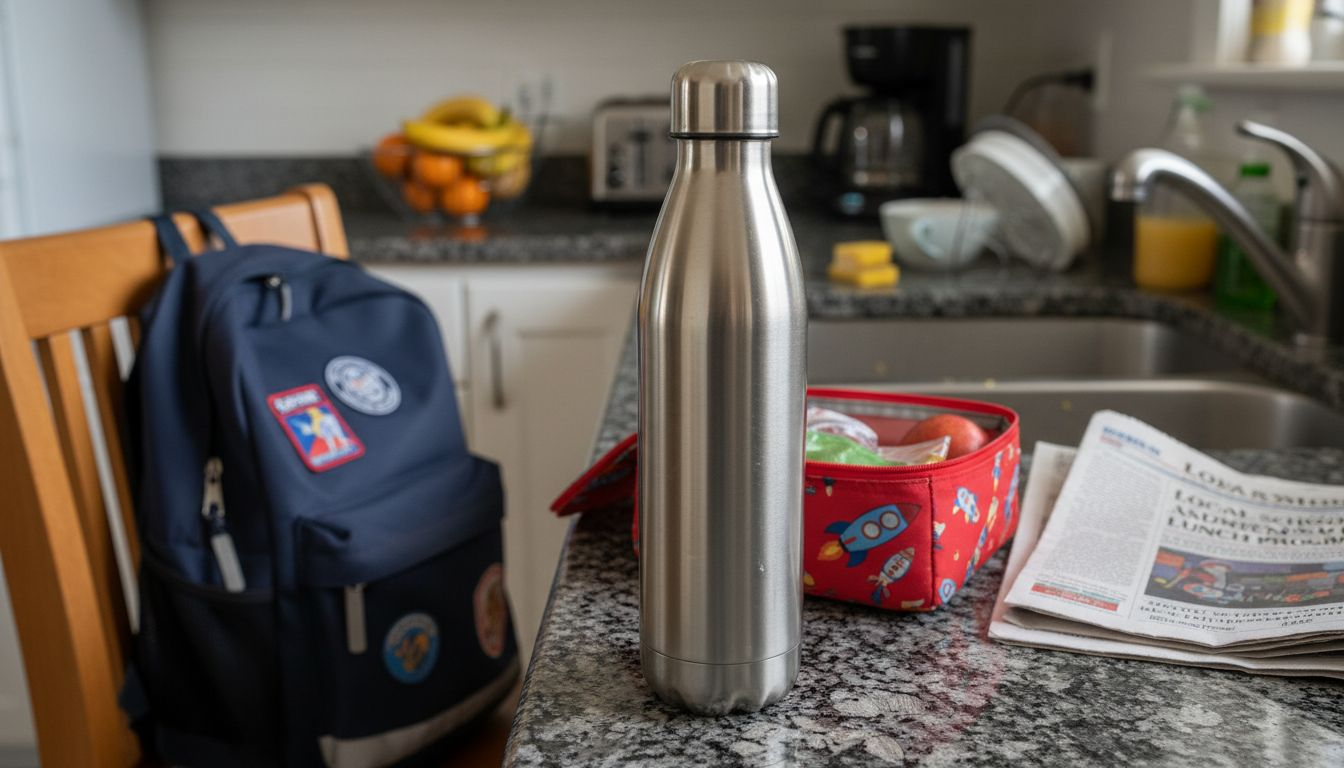
Pro tip: When selecting a BPA-free bottle, examine the recycling code and material composition, prioritizing bottles made from food-grade materials like stainless steel, borosilicate glass, or certified safe plastics numbered #1, #2, #4, or #5.
Here’s a concise overview comparing common BPA-free bottle materials:
| Material Type | Durability | Chemical Leaching Risk | Typical Use Cases |
|---|---|---|---|
| Stainless Steel | Extremely high | Minimal | Sports, daily hydration |
| Glass | Moderate to fragile | None | Office, home, travel |
| Safe Plastics | Moderate to high | Low if certified | Kids, casual activities |
| Aluminum | High (if lined) | Possible if unlined | Outdoor, camping |
Health Risks of BPA in Bottles
Bisphenol A (BPA) is an industrial chemical with potentially significant health implications for consumers. BPA can leach into food and beverages from plastic containers, potentially impacting brain and prostate gland development in vulnerable populations. The chemical’s ability to migrate from packaging into consumable items raises serious concerns about long-term exposure and its comprehensive health consequences.
As an endocrine disruptor that mimics estrogen, BPA presents multiple potential health risks. Research indicates potential connections to serious medical conditions, including increased risks of high blood pressure, type 2 diabetes, cardiovascular disease, and reproductive challenges. Children and developing fetuses appear particularly susceptible, with potential impacts on neurological development and behavioral patterns. The complexity of BPA’s health effects stems from its ability to interfere with hormonal systems, even at low exposure levels.
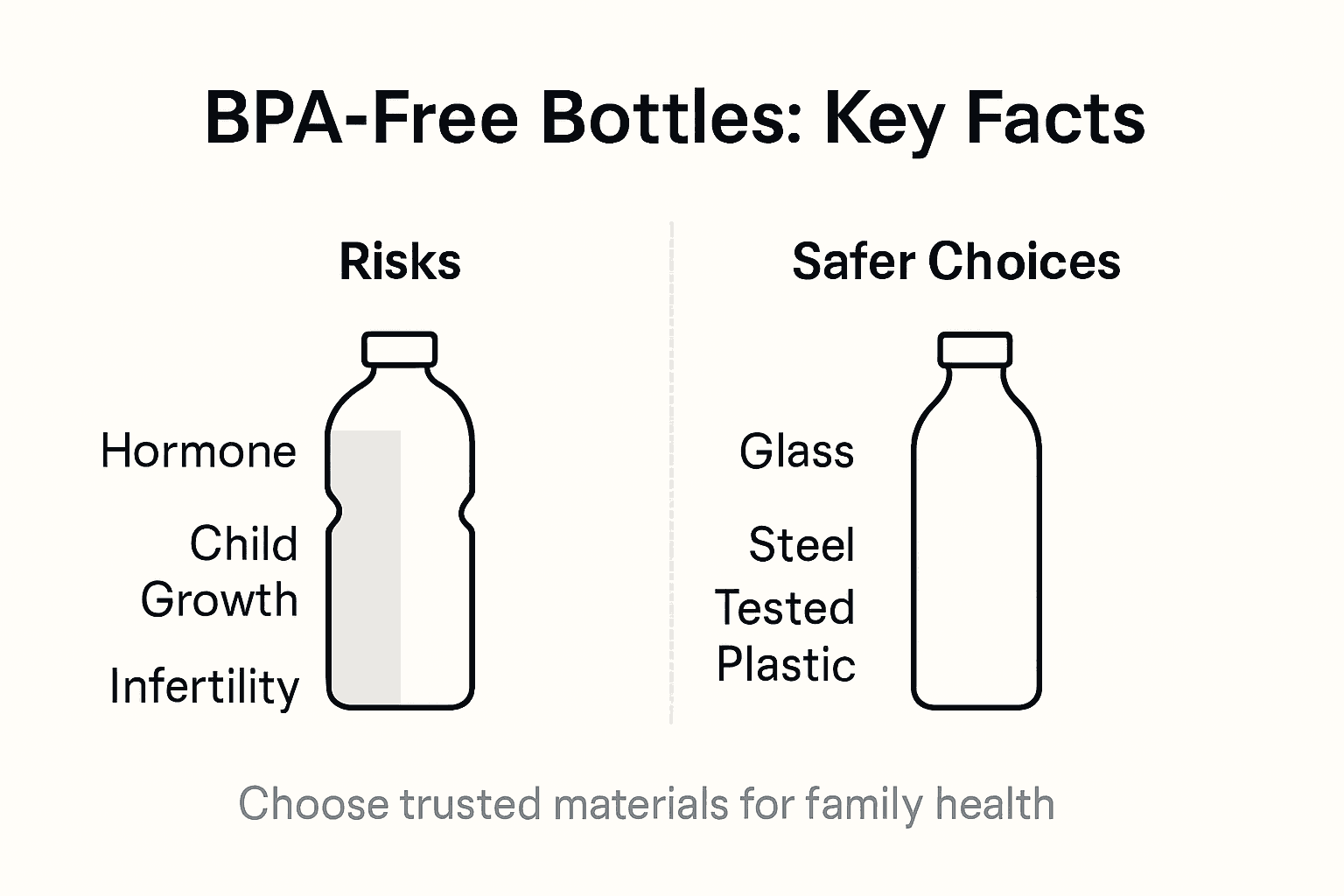
The scientific community continues to debate the precise extent of BPA’s health risks, with ongoing research revealing nuanced interactions between the chemical and human biological systems. While regulatory bodies like the FDA maintain that low-level exposure remains relatively safe, many health experts recommend minimizing contact with BPA-containing products. The potential for cumulative effects from repeated exposure suggests a precautionary approach is prudent, especially for pregnant women, infants, and young children.
Pro tip: Reduce BPA exposure by choosing glass or stainless steel containers, avoiding microwaving plastic containers, and selecting products specifically labeled as BPA-free.
Current European BPA Regulations
The European regulatory landscape for Bisphenol A has evolved significantly, reflecting growing scientific concerns about its potential health impacts. The European Commission has adopted a comprehensive ban on BPA in food contact materials, effective from January 2025. This regulatory move encompasses a wide range of products, including can coatings, reusable plastic bottles, and kitchenware, marking a substantial shift in consumer protection policies.
The European Union’s approach to BPA regulation is characterized by a nuanced, risk-based strategy. Current regulations specifically prohibit BPA in critical products like baby bottles, sippy cups, and food contact materials for young children. The European Food Safety Authority (EFSA) plays a crucial role in continuously evaluating and updating these restrictions, reflecting the most current scientific understanding of the chemical’s potential health risks. An 18-month phase-out period has been implemented, allowing manufacturers time to develop and transition to safer alternatives.
Beyond BPA, the European regulatory framework has expanded to address related bisphenols classified as carcinogenic, mutagenic, or endocrine disruptors. This comprehensive approach demonstrates a proactive stance on chemical safety, prioritizing public health over industrial convenience. The regulations not only restrict BPA but also set stringent migration limits, ensuring that even trace amounts of potentially harmful chemicals are minimized in consumer products.
Pro tip: When shopping in European markets, look for products explicitly labeled as BPA-free and check packaging for compliance with EU safety standards.
The following table highlights key European and U.S. approaches to BPA regulation:
| Region | Scope of Restrictions | Policy Update Year | Impacted Products |
|---|---|---|---|
| European Union | Total ban in food contact items | 2025 | Cans, baby bottles, kitchen |
| United States | Restrictions for infants/kids | 2012 | Baby bottles, sippy cups |
| U.S. States | Some broader local approaches | Varies | Wide range (state-dependent) |
| Canada | Ban for children’s products | 2010 | Bottles, food containers |
Choosing Safe Alternatives to BPA-Free Bottles
Selecting truly safe water bottles requires more than simply choosing products labeled “BPA-free.” Research demonstrates that common BPA alternatives like bisphenol F (BPF) and bisphenol S (BPS) can be structurally similar to BPA and potentially cause comparable health risks. These alternative chemicals may still disrupt endocrine function and metabolic processes, making careful selection crucial for health-conscious consumers.
The phenomenon of ‘regrettable substitution’ highlights the complex challenges in finding genuinely safe drinking containers. Consumers should prioritize bottles made from inherently inert materials that do not leach chemicals. Recommended alternatives include high-quality glass with borosilicate composition, medical-grade stainless steel, and ceramics, which provide robust protection against chemical migration. These materials offer durability and chemical stability without the potential hormonal disruption associated with bisphenol analogs.
When evaluating bottle materials, consider comprehensive safety factors beyond chemical composition. Look for bottles that have been independently tested, certified by recognized health organizations, and manufactured with transparent production standards. Pay special attention to manufacturing processes, material sourcing, and any additional coatings or treatments that might introduce potential contaminants. Prioritize brands that demonstrate a commitment to comprehensive health and environmental safety.
Pro tip: Invest in bottles made from borosilicate glass or medical-grade stainless steel, and always verify the manufacturer’s detailed material specifications before purchasing.
Choose Truly Safe BPA-Free Bottles for Your Family’s Health
The concern over BPA and its potential health risks underscores the importance of selecting water bottles made from safe, non-toxic materials. Protect your loved ones from harmful chemicals by choosing from our curated collection of Bpa free water bottles by EQUA. These bottles prioritize your family’s well-being with carefully selected, certified materials that reduce chemical exposure without compromising on style or durability.
Experience peace of mind today and upgrade your hydration routine with bottles designed for health-conscious consumers. Don’t miss out on special savings during our Black Friday event. Visit Myequa.com now to discover sustainable, BPA-free hydration solutions that truly matter for your family’s health.
Frequently Asked Questions
What does BPA-free mean in bottles?
A BPA-free bottle is a water container made without Bisphenol A, a chemical linked to health risks. It indicates safer alternatives are used, but does not guarantee the absence of other harmful chemicals.
What materials are considered safe for BPA-free bottles?
Safe materials for BPA-free bottles include stainless steel, glass (especially borosilicate), and certain food-grade plastics such as HDPE, LDPE, and polypropylene, which have lower risks of chemical leaching.
Are BPA-free plastics always safe for kids?
While BPA-free plastics may reduce exposure to certain harmful chemicals, some alternatives like BPS and BPF can still pose health risks. It’s essential to choose products made from certified safe materials.
How can I reduce my exposure to BPA and similar chemicals?
To minimize exposure, opt for glass or stainless steel containers, avoid microwaving plastics, and select products explicitly labeled as BPA-free with verified material safety standards.
Recommended
- bpa free bottles comparison – Expert Analysis 2025 – EQUA - Sustainable Water Bottles
- Alpha Zoo BPA free bottle – EQUA - Sustainable Water Bottles
- Reasons why we love borosilicate glass – EQUA - Sustainable Water Bottles
- Active Peach Glass Water Bottle for active women by EQUA – EQUA - Sustainable Water Bottles
Zdieľať
