


7 Essential Hydration Tips for Adults Seeking Wellness
Finding ways to stay hydrated is a daily challenge for many health-conscious adults across Europe, especially with the holiday rush and Black Friday temptations. Research highlights that the average American drinks far less water than recommended, leading to reduced energy and compromised wellness. Prioritizing smart hydration solutions and wellness accessories right now can help you feel energized, improve self-care, and make the most of seasonal deals designed for a vibrant, modern lifestyle.
Table of Contents
- Drink Water Consistently Throughout The Day
- Choose The Right Hydration Bottle For Your Lifestyle
- Add Natural Flavor For More Enjoyable Drinking
- Monitor Your Daily Water Intake Easily
- Balance Caffeinated And Alcoholic Beverages
- Hydrate Before, During, And After Exercise
- Listen To Your Body’s Thirst Signals
Quick Summary
| Takeaway | Explanation |
|---|---|
| 1. Stay Hydrated Consistently | Drink water at regular intervals, ideally 8 ounces every 1-2 hours, to maintain optimal hydration levels. |
| 2. Choose the Right Water Bottle | Pick a water bottle that suits your lifestyle and meets your hydration needs for maximum convenience and effectiveness. |
| 3. Flavor Water Naturally | Add fruits and herbs to enhance the taste of water, making hydration enjoyable without adding sugars or artificial elements. |
| 4. Monitor Water Intake Easily | Use apps or journals to track your daily water consumption and recognize signs of dehydration effectively. |
| 5. Balance Alcohol and Caffeine | Drink water equivalent to any caffeinated or alcoholic beverages to prevent dehydration and maintain hydration balance. |
1. Drink Water Consistently Throughout the Day
Staying hydrated isn’t just about gulping down water when you feel thirsty—it’s about maintaining a steady fluid intake throughout your day. Your body functions best when you drink water consistently, ensuring optimal performance for critical metabolic processes.
Consistent hydration supports multiple bodily functions including temperature regulation, waste elimination, and cellular health. Unlike sporadic large water consumption, steady sipping helps your system maintain balanced hydration levels. Scientific research demonstrates that regular water intake prevents both dehydration and potential overhydration risks.
To implement this strategy, consider carrying a reusable water bottle and setting gentle reminders to drink small amounts every hour. Aim for approximately 8 ounces every 1 to 2 hours during waking hours. This approach allows your body to absorb water more efficiently and maintain steady electrolyte balance.
Key benefits of consistent hydration include improved cognitive function, enhanced physical performance, better skin health, and more stable energy levels. Your kidneys, metabolism, and overall wellness will thank you for this mindful approach.
Pro tip: Create a simple hydration tracking system by marking water bottle measurements or using a smartphone app to log your daily intake.
2. Choose the Right Hydration Bottle for Your Lifestyle
Selecting the perfect hydration bottle is more than a simple purchase—it’s about finding a companion that supports your wellness journey and matches your daily activities. Understanding how different bottle designs serve unique lifestyle needs can transform your hydration habits.
When choosing a water bottle, consider factors like material, size, portability, and personal usage patterns. Stainless steel bottles offer durability and temperature control, while glass bottles provide a pure drinking experience. Plastic options are lightweight but require careful selection to avoid potential chemical leaching.
Your bottle should align with your typical day. Active individuals might prefer insulated bottles that keep drinks cold during workouts. Office workers could benefit from leak proof designs that fit easily in laptop bags. Travelers might prioritize compact bottles that pass through airport security.
Tracking your hydration patterns becomes simpler when your water bottle complements your routine. Look for features like volume markings, easy cleaning capabilities, and materials that suit your environmental values and health considerations.
Key selection criteria include:
Weight and Portability • Lightweight for fitness enthusiasts • Compact size for commuters • Sturdy design for outdoor adventurers
Material Considerations • BPA free options • Recyclable materials • Temperature retention capabilities
Functional Design • Wide mouth for easy cleaning • Secure lid mechanisms • Compatible with car cup holders
Pro tip: Test multiple bottle styles before committing to ensure the design truly matches your daily hydration needs and lifestyle preferences.
3. Add Natural Flavor for More Enjoyable Drinking
Making water more appealing can transform your hydration habits from a chore to a delightful experience. Natural flavor additions offer a simple solution for those who struggle with plain water consumption.
The American Heart Association emphasizes the importance of choosing healthy hydration methods that do not compromise nutritional goals. Natural ingredients like fresh herbs, fruit slices, and botanical elements can dramatically enhance water’s taste profile without introducing excess sugars or artificial additives.
Experimentation is key when creating your perfect flavor combination. Some delicious and nutritious options include:
Refreshing Combinations • Cucumber and mint • Lemon and basil • Strawberry and rosemary • Orange and ginger • Watermelon and lime
These natural infusions not only improve taste but also provide subtle nutritional benefits. Herbs can offer antioxidant properties, while fruits contribute trace vitamins and minerals. The goal is creating a hydration experience that feels more like a treat than a task.
Consider preparing large batches of infused water in advance. Use a clear pitcher or glass container to store your flavored water in the refrigerator. Allow ingredients to steep for 2 to 4 hours to maximize flavor intensity without compromising water quality.
Pro tip: Invest in reusable fruit infuser bottles to make natural flavoring convenient and portable throughout your day.
4. Monitor Your Daily Water Intake Easily
Tracking your daily water consumption does not need to be complicated or time consuming. Monitoring hydration levels can be simplified through practical strategies that fit seamlessly into your daily routine.
Nutrition experts recommend multiple approaches to understanding your hydration status. Some effective methods include observing urine color, tracking body weight fluctuations, and setting clear daily water intake goals. A simple color chart can help you quickly assess hydration levels by comparing your urine shade to recommended ranges.
Tracking Strategies • Use smartphone hydration tracking apps • Keep a water intake journal • Mark water bottle measurements • Set hourly drinking reminders • Check urine color throughout the day
Modern technology offers numerous tools to make hydration monitoring effortless. Digital applications can send personalized notifications, log your water consumption, and even calculate recommended intake based on your body weight and activity level.
Beyond technological solutions, traditional methods remain powerfully effective. Pay attention to subtle body signals like thirst frequency, skin elasticity, and overall energy levels. These natural indicators provide immediate insights into your hydration status.
Pro tip: Create a simple hydration tracking system by using a marked water bottle and setting a daily goal that feels achievable and comfortable for your lifestyle.
5. Balance Caffeinated and Alcoholic Beverages
Understanding how caffeine and alcohol impact your hydration levels is crucial for maintaining optimal wellness. Beverage choices can significantly influence your body’s fluid balance, requiring mindful consumption and strategic hydration approaches.
Contrary to popular belief, moderate caffeine consumption does not necessarily lead to dehydration. The fluid content in coffee, tea, and other caffeinated drinks often offsets their mild diuretic effects. However, alcoholic beverages pose a more significant challenge to your body’s hydration status.
Hydration Impact Comparison • Caffeine drinks: Minor diuretic effect • Alcoholic beverages: Substantial fluid loss • Water: Optimal hydration source
The American Heart Association recommends a balanced approach. For every caffeinated or alcoholic drink, consider drinking an equivalent amount of water to maintain fluid equilibrium. This strategy helps counteract potential dehydration and supports your body’s natural processes.
Specific guidelines include: • Limit alcohol to recommended daily amounts • Alternate alcoholic drinks with water • Monitor your body’s response to caffeine • Choose water as your primary beverage • Pay attention to individual tolerance levels
Pro tip: Create a personal hydration rule: drink one glass of water for every caffeinated or alcoholic beverage to maintain fluid balance and support overall wellness.
6. Hydrate Before, During, and After Exercise
Hydration is not just a single moment of drinking water, but a strategic process that spans your entire workout experience. Understanding exercise hydration strategies can significantly enhance your physical performance and recovery.
Preparing your body for exercise begins well before you start moving. Consuming 400–600 ml of water 2–3 hours before physical activity helps ensure you are adequately hydrated. This proactive approach prevents potential performance decline and reduces the risk of dehydration.
Hydration Stages • Before Exercise: Drink water 2–3 hours prior • During Exercise: Sip water regularly • After Exercise: Replenish lost fluids
During your workout, your hydration needs will vary based on exercise intensity, duration, and environmental conditions. A general guideline is to drink small amounts consistently rather than large volumes infrequently. This approach helps maintain stable hydration levels and prevents discomfort.
Post exercise hydration is equally critical. Your body has lost fluids through sweat, and replenishing these is essential for recovery. Consider the color of your urine as a hydration indicator—pale yellow suggests good hydration, while dark yellow signals a need for more water intake.
Factors Affecting Hydration Needs • Exercise intensity • Duration of activity • Environmental temperature • Individual sweat rate • Personal body composition
Pro tip: Weigh yourself before and after exercise to understand your specific fluid loss, and aim to drink 16–24 ounces of water for every pound lost during your workout.
7. Listen to Your Body’s Thirst Signals
Your body communicates hydration needs through subtle and sometimes complex signals. Understanding thirst regulation mechanisms goes beyond simply drinking when you feel parched.
Thirst is a sophisticated neural response triggered by changes in blood osmolality and body fluid volume. While the basic sensation of thirst is reliable for most adults, individual variations exist that can complicate hydration awareness.
Thirst Signal Categories • Early thirst indicators • Advanced dehydration symptoms • Physiological variations
Recognizing hydration signals requires paying attention to multiple body cues. Thirst is just one indicator—others include:
Comprehensive Hydration Indicators • Urine color and frequency • Skin elasticity • Cognitive function • Energy levels • Mouth and lip dryness
Some populations need extra vigilance. Older adults, individuals with chronic conditions, and those engaged in intense physical activities might experience reduced or delayed thirst responses. This means relying solely on feeling thirsty can sometimes lead to potential underhydration.
Strategic hydration involves proactive monitoring. Develop a habit of drinking water regularly, even before feeling intense thirst. Track your daily water intake and understand your body unique signals.
Pro tip: Create a personalized hydration awareness journal to track your body signals, noting connections between thirst, activity levels, and overall well being.
Below is a comprehensive table summarizing the strategies, tips, and key points about maintaining optimal hydration as discussed throughout the article.
| Topic | Description | Key Takeaways |
|---|---|---|
| Consistent Hydration | Drinking water regularly throughout the day supports metabolic processes and prevents dehydration. | Carry a reusable bottle, drink 8 ounces per hour, and maintain electrolyte balance. |
| Choosing a Suitable Bottle | Selecting the optimal water bottle aids in lifestyle alignment and hydration tracking. | Consider size, material, and features such as portability and volume markings. |
| Enhancing Water Appeal | Adding natural flavors like fruit slices or herbs makes drinking water enjoyable. | Prepare infused water batches ahead and use clear containers for convenience. |
| Monitoring Water Intake | Tracking methods like apps, marked bottles, or urine color observation assist in maintaining hydration. | Personal hydration goals and awareness of physical signals can improve consistency. |
| Balancing Caffeinated and Alcoholic Drinks | Understand their impact and counter by drinking adequate water. | Alternate each such beverage with a glass of water for equilibrium. |
| Exercise Hydration Strategy | Adequately hydrate before, during, and after exercise sessions to maintain performance. | Align hydration habits with exercise intensity, duration, and environmental factors. |
| Understanding Thirst Signals | Being attentive to physical cues helps in recognizing hydration needs. | Develop habits to drink water regularly, even before feeling extremely thirsty. |
Elevate Your Hydration Routine with Myequa’s Wellness Solutions
Struggling to maintain consistent hydration as recommended in the article “7 Essential Hydration Tips for Adults Seeking Wellness” can impact your energy and overall well-being. Whether it is selecting the right hydration bottle to suit your lifestyle or enhancing your water intake with natural flavors, addressing these challenges can transform how you care for your body. The article highlights vital tips like drinking water consistently, choosing BPA-free bottles, and monitoring intake — all key to optimizing hydration effectively.
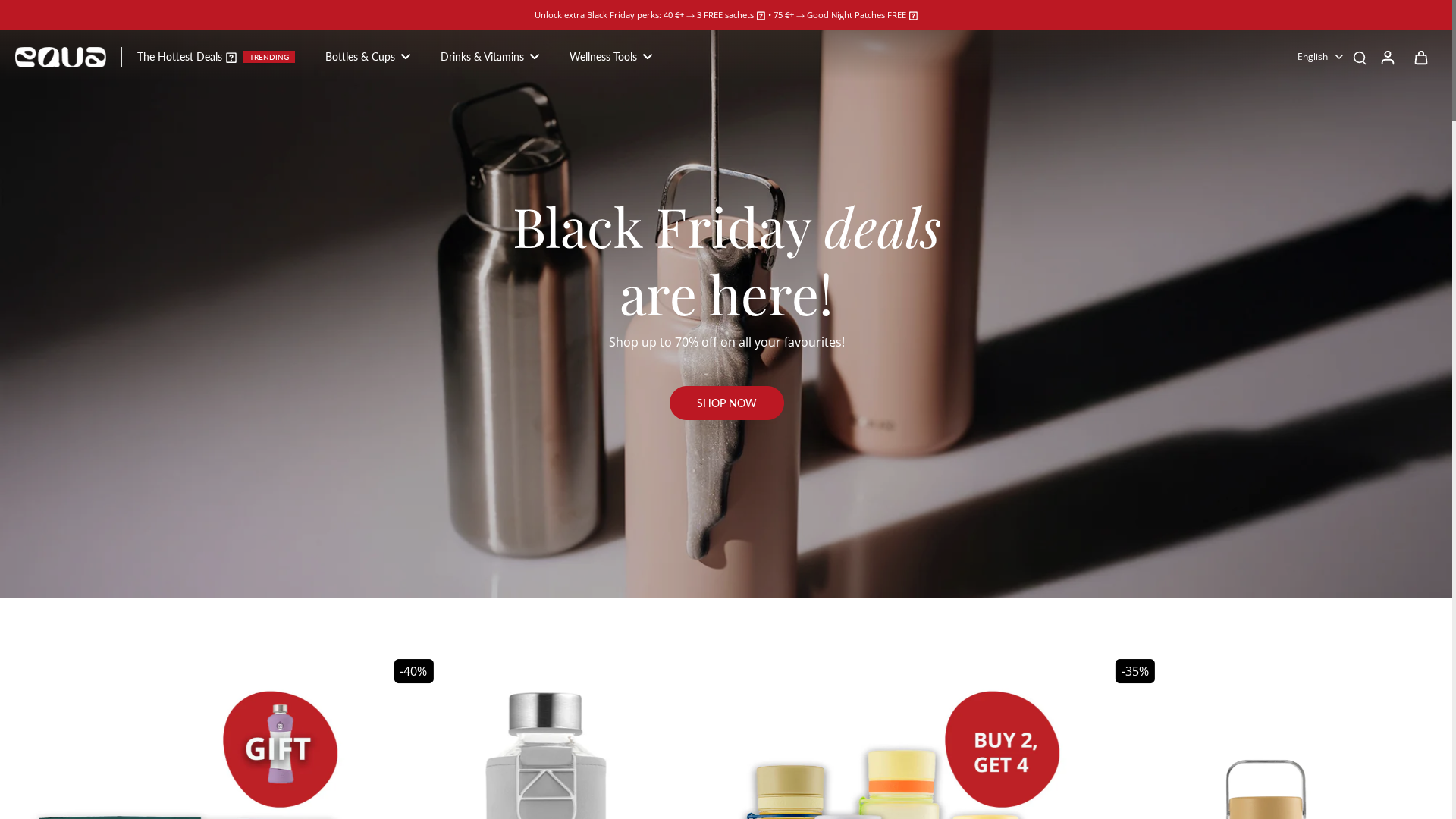
Discover a curated collection of premium hydration bottles, accessories, and functional wellness drinks at Myequa.com. Benefit from Black Friday deals with discounts up to 70 percent on stainless steel and glass bottles designed for durability and style. Support your hydration goals now by selecting products that suit your daily needs and elevate your self-care routine. Take action today and make hydration enjoyable, practical, and aligned with your wellness journey by visiting Myequa.com.
Frequently Asked Questions
How much water should I drink throughout the day?
To maintain proper hydration, aim for about 8 ounces of water every 1 to 2 hours during your waking hours. This consistent intake helps ensure your body functions optimally.
What factors should I consider when choosing a hydration bottle?
When selecting a hydration bottle, consider material, size, portability, and design features. Choose one that fits your lifestyle—like a lightweight option for fitness or a leak-proof design for the office.
How can I make drinking water more enjoyable?
You can enhance the taste of water by adding natural flavors such as fresh herbs or fruit slices. Experiment with combinations like cucumber and mint or lemon and basil to make hydration more appealing.
What are some effective ways to track my daily water intake?
You can track your water intake using smartphone apps, a simple water intake journal, or even markings on your water bottle. Set a daily goal and check in on your progress regularly to stay accountable.
How does caffeine and alcohol affect hydration levels?
Caffeine has a minor diuretic effect but does not significantly dehydrate you; however, alcohol can lead to substantial fluid loss. To maintain hydration, drink an equivalent amount of water for each alcoholic beverage you consume.
Why is it important to listen to my body’s thirst signals?
Listening to your body’s thirst signals helps you understand when you need hydration. Pay attention to other indicators, like urine color and energy levels, to ensure you stay appropriately hydrated.
Recommended
Zdieľať
