


Role of Wellness in Lifestyle – Transforming Daily Choices
Finding balance feels tougher than ever as daily pressures keep rising for many European adults. With stress levels on the rise, wellness has become more than an american trend—it is a vital tool for lasting well-being. Over 65 percent of working professionals report needing better self-care routines. This guide reveals practical approaches to integrating holistic wellness, highlighting how intentional choices and the right products can transform everyday living, especially during holiday promotion periods focused on relaxation and self-care.
Table of Contents
- Defining Wellness And Its Lifestyle Impact
- Key Types Of Wellness In Modern Living
- Integrating Wellness Into Everyday Routines
- Benefits Of Wellness Products And Tools
- Common Pitfalls When Pursuing Wellness
Key Takeaways
| Point | Details |
|---|---|
| Holistic Wellness | Wellness is a proactive approach integrating physical, mental, emotional, and social health, emphasizing intentional lifestyle choices for overall thriving. |
| Integration of Dimensions | Key wellness types include physical, mental, emotional, social, spiritual, occupational, and intellectual aspects, each crucial for comprehensive well-being. |
| Personalized Strategies | Successful wellness requires individualized approaches that account for unique challenges and preferences, ensuring sustainable lifestyle changes. |
| Consistency Over Grand Gestures | Focus on small, consistent actions in daily routines to seamlessly incorporate wellness practices into life, promoting lasting health improvements. |
Defining Wellness and Its Lifestyle Impact
Wellness represents a proactive, holistic approach to health that transcends traditional medical models. More than simply the absence of disease, wellness encompasses intentional lifestyle choices that promote comprehensive human thriving. This multidimensional concept integrates physical, psychological, and social aspects of human experience, challenging us to view health as an active, dynamic process rather than a static condition.
Traditionally, healthcare focused exclusively on treating illnesses. Modern wellness frameworks recognize that optimal health involves strategic daily decisions across multiple life domains. These include physical fitness, nutritional habits, mental resilience, emotional intelligence, social connections, and personal growth. Comprehensive wellness models systematically explore how interconnected lifestyle choices contribute to overall human potential.
The emerging wellness paradigm emphasizes prevention, self-awareness, and intentional living. Individuals increasingly understand that sustainable well-being requires consistent, mindful choices across nutrition, movement, stress management, sleep, and social engagement. By adopting a holistic perspective, people can transform routine activities into opportunities for enhanced health and personal development.
Pro Tip: Start implementing wellness principles by conducting a simple self-assessment of your current lifestyle habits across physical, mental, and social dimensions, identifying areas for targeted improvement.
Key Types of Wellness in Modern Living
Modern wellness encompasses multiple interconnected dimensions that collectively contribute to holistic human well-being. Emerging wellness trends highlight the importance of integrating various lifestyle approaches across different personal domains. These key wellness types include physical, mental, emotional, social, spiritual, occupational, and intellectual wellness, each playing a critical role in achieving comprehensive personal health.
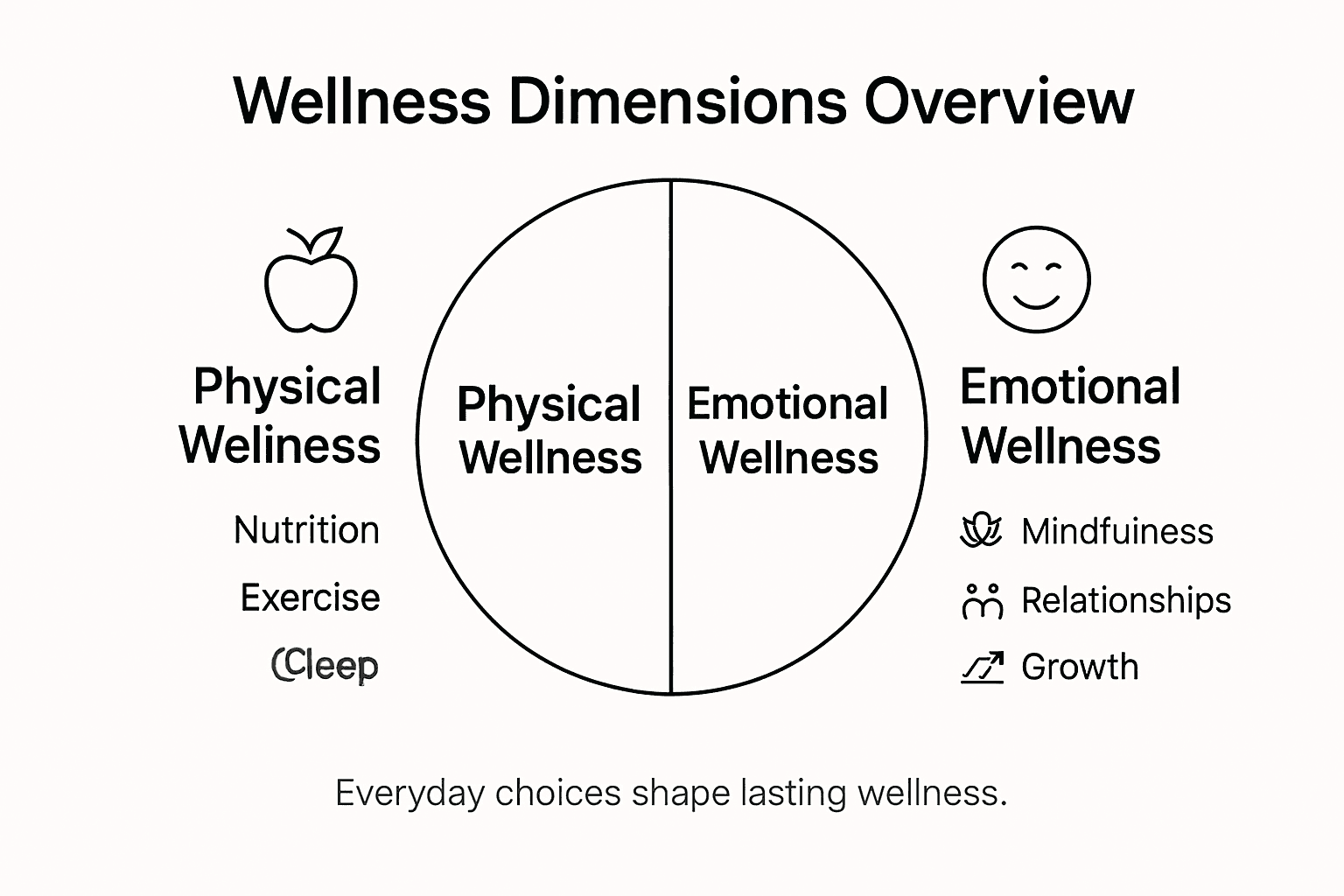
Physical Wellness focuses on maintaining bodily health through nutrition, exercise, sleep, and preventative healthcare. It involves understanding your body’s unique needs, engaging in regular physical activity, consuming balanced nutrition, and managing stress through movement. Mental Wellness centers on cognitive function, emotional regulation, and psychological resilience. This dimension involves developing coping strategies, maintaining cognitive flexibility, practicing mindfulness, and seeking professional support when needed.
Emotional Wellness emphasizes understanding and managing personal feelings effectively, cultivating emotional intelligence, and developing healthy relationship skills. Social Wellness explores an individual’s ability to build meaningful connections, maintain supportive relationships, and contribute positively to community environments. Spiritual Wellness transcends religious practice, involving personal meaning-making, values alignment, and inner peace exploration. Occupational Wellness relates to finding satisfaction and purpose in professional endeavors, maintaining work-life balance, and pursuing personal growth through career development.
Pro Tip: Create a personal wellness dashboard tracking your progress across different wellness dimensions, allowing you to identify strengths and areas requiring focused improvement.
Here’s a concise overview comparing the key wellness dimensions and their core contributions:
| Wellness Dimension | Core Focus | Example Benefit | Typical Daily Practice |
|---|---|---|---|
| Physical | Bodily health | Increased energy | Balanced meals, regular exercise |
| Mental | Cognitive function | Improved resilience | Mindfulness, reading |
| Emotional | Emotional regulation | Greater self-awareness | Journaling, reflection |
| Social | Relationship building | Enhanced sense of belonging | Quality time with friends |
| Spiritual | Personal meaning | Sense of purpose | Meditation, values alignment |
| Occupational | Professional growth | Increased job satisfaction | Career skill development |
| Intellectual | Lifelong learning | Expanded perspectives | New hobbies, ongoing education |
Integrating Wellness Into Everyday Routines
Practical wellness integration requires transforming ordinary moments into intentional health opportunities. Successful wellness implementation is not about grand gestures, but consistent small actions that compound over time. Modern lifestyles demand strategic approaches that seamlessly blend health practices into existing daily rhythms, making wellness feel natural and sustainable rather than an additional burden.
Morning routines offer prime opportunities for wellness foundation setting. This might involve hydration immediately upon waking, performing gentle stretches, practicing brief meditation, or consuming nutrient-dense breakfasts. Workday wellness strategies include creating ergonomic workspaces, taking regular movement breaks, practicing mindful breathing techniques, and maintaining consistent healthy nutrition. Evening routines can focus on recovery, reflection, and preparing the body and mind for restorative sleep through relaxation practices, digital disconnection, and gentle physical recovery activities.

Each wellness dimension requires personalized integration strategies. Physical wellness might involve scheduling regular exercise, tracking nutritional intake, and prioritizing sleep hygiene. Mental wellness could include journaling, learning new skills, practicing mindfulness, and managing stress through intentional relaxation techniques. Social wellness demands nurturing meaningful connections, setting healthy boundaries, and actively participating in supportive community environments. The key is creating a holistic approach that feels authentic and achievable within individual lifestyle constraints.
Pro Tip: Design a personalized wellness checklist with 3-5 achievable daily actions across different wellness dimensions, reassessing and adjusting your approach every month to maintain motivation and progress.
Benefits of Wellness Products and Tools
Comprehensive wellness products and tools represent powerful strategies for personal health transformation, offering individuals scientific approaches to tracking, improving, and maintaining holistic well-being. These innovative resources bridge the gap between theoretical health concepts and practical, actionable lifestyle modifications, enabling people to take proactive control of their physical, mental, and emotional health through data-driven insights and personalized guidance.
Wellness tools encompass a diverse range of technologies and approaches designed to support individual health goals. Digital platforms, mobile applications, wearable devices, and self-assessment instruments provide real-time feedback on critical health metrics like sleep quality, stress levels, physical activity, nutrition, and emotional well-being. Advanced wellness measurement tools help individuals and organizations systematically evaluate progress across multiple dimensions of health, enabling more precise tracking of personal development and identifying areas requiring targeted intervention.
The primary benefits of wellness products include enhanced self-awareness, personalized health recommendations, motivation through gamification, and the ability to establish measurable health improvement goals. These tools democratize health information, making complex wellness concepts accessible and actionable for individuals with varying levels of health literacy. By transforming abstract health principles into concrete, trackable metrics, wellness products empower users to make informed decisions, develop sustainable habits, and maintain long-term engagement with their personal health journey.
Pro Tip: Select wellness tools that align with your specific health goals and offer intuitive interfaces, ensuring consistent usage and meaningful insights into your personal wellness progression.
Common Pitfalls When Pursuing Wellness
Wellness pursuit frequently encounters conceptual barriers that undermine sustainable personal health strategies. Many individuals approach wellness with unrealistic expectations, treating it as a quick fix rather than a comprehensive lifestyle transformation. These misconceptions lead to fragmented efforts that rarely produce lasting results, creating cycles of frustration and abandoned health goals.
Contemporary lifestyle challenges significantly complicate effective wellness implementation, with common pitfalls including digital overuse, sedentary work environments, chronic stress, and inconsistent nutrition habits. People often mistake intense, short-term interventions for genuine wellness—such as extreme diets, sporadic exercise regimens, or temporary meditation practices—instead of developing integrated, sustainable lifestyle approaches that address physical, mental, and emotional health holistically.
Another critical wellness pitfall involves neglecting individual context and overgeneralizing health recommendations. Personal wellness strategies must account for unique factors like genetic predispositions, cultural backgrounds, socioeconomic conditions, and individual psychological profiles. Blindly following generic wellness trends without understanding personal limitations can lead to burnout, demotivation, and potential health risks. Successful wellness journeys require nuanced, personalized approaches that recognize individual complexity and promote gradual, meaningful lifestyle transformations.
Pro Tip: Develop a personalized wellness framework by conducting a comprehensive self-assessment, identifying your specific health challenges, and designing flexible strategies that adapt to your unique life circumstances.
Below is a summary of common pitfalls in wellness pursuits and suggested solutions:
| Challenge | Impact on Wellness | Suggested Solution |
|---|---|---|
| Unrealistic expectations | Frustration, drop-off | Set gradual goals, realistic plans |
| Generic recommendations | Poor fit, demotivation | Personalize strategies |
| Sedentary lifestyle | Lower vitality, stress | Add movement to daily routine |
| Digital overuse | Disrupted sleep, anxiety | Establish screen-free periods |
Elevate Your Wellness Journey With Practical Lifestyle Solutions
The article highlights how true wellness is about making intentional, sustainable daily choices across physical, mental, and social dimensions. If you find yourself struggling to integrate wellness seamlessly into your routine or feel overwhelmed by generic health advice, you are not alone. Key challenges include establishing realistic goals, boosting motivation, and developing consistent habits that support physical vitality, mental clarity, and emotional balance. Concepts such as holistic wellness and personalized lifestyle frameworks are central to overcoming these barriers.
At Myequa.com, we understand these wellness challenges and offer curated products designed to transform your everyday health practices. Whether you want to stay hydrated with our BPA-free and stainless steel bottles, enhance recovery and sleep with our innovative sleep patches and tools, or boost mindfulness and energy with our functional wellness drinks like matcha and vitamins, you will find solutions crafted to support every wellness dimension. Take advantage of our Black Friday Deals featuring discounts up to 70 percent on essential health and relaxation accessories that empower you to design a tailored wellness approach.
Discover how small consistent actions can lead to big improvements in your lifestyle.
Ready to take control of your wellness now
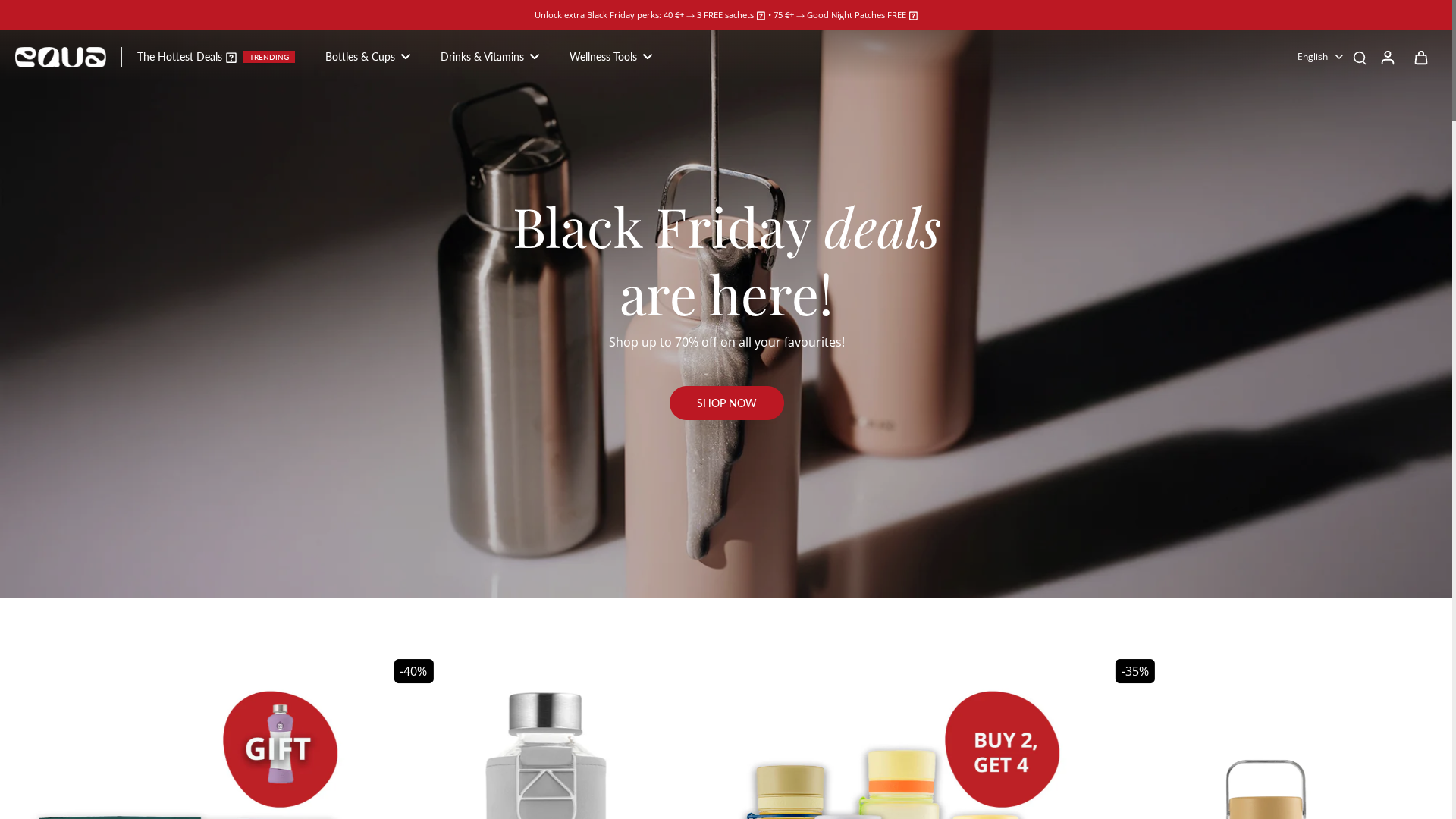
Explore how smart wellness tools and products help build authentic, lasting habits. Visit Myequa.com to shop exclusive offers and start integrating wellness into your daily routine today.
Frequently Asked Questions
What is wellness, and how does it impact daily lifestyle choices?
Wellness is a holistic approach to health that includes intentional lifestyle choices across physical, mental, emotional, and social dimensions. It emphasizes prevention and self-awareness, which can help individuals make better decisions that promote health and personal growth.
How can I integrate wellness practices into my daily routine?
Integrating wellness into your routine can involve small, consistent actions such as staying hydrated, incorporating physical activity, maintaining a balanced diet, practicing mindfulness, and nurturing social connections. Morning and evening routines are excellent times to incorporate these practices to enhance overall well-being.
What are some common wellness dimensions, and why are they important?
Key wellness dimensions include physical, mental, emotional, social, spiritual, occupational, and intellectual wellness. Each dimension contributes uniquely to your overall health, ensuring comprehensive personal well-being and helping you thrive in different areas of life.
What are the potential pitfalls when pursuing wellness?
Common pitfalls include setting unrealistic expectations, following generic recommendations that don’t fit individual needs, and neglecting the importance of a balanced, integrated approach. It’s essential to personalize wellness strategies and recognize the complexity of individual health journeys.
Recommended
- Sustainable Wellness: Transforming Everyday Health Habits – EQUA - Sustainable Water Bottles
- 7 Key Wellness Trends 2025 Every Health Shopper Should Know – EQUA - Sustainable Water Bottles
- Want A Change? Start With Yourself! – EQUA - Sustainable Water Bottles
- 3 ways how to spice up your daily routines: health & wellness edition – EQUA - Sustainable Water Bottles
Zdieľať
