


What Is Matcha and Its Impact on Wellness
Finding truly authentic matcha at an accessible price can feel challenging when most American brands use blends that lack the rich nutritional profile of traditional Japanese varieties. For many European wellness enthusiasts, matcha’s bright green color and high EGCG content—up to 137 times more antioxidants than regular green tea—make it a top choice during Black Friday deals. This article breaks down matcha’s origins, grades, and benefits so you can confidently choose quality matcha at affordable prices.
Table of Contents
- Matcha Defined: Origins, Process, And Uses
- Exploring Types And Grades Of Matcha Tea
- How Matcha Differs From Green Tea
- Matcha Health Benefits And Potential Risks
- Tips For Buying Quality Matcha Safely
Key Takeaways
| Point | Details |
|---|---|
| Matcha’s Unique Characteristics | Matcha is a finely ground green tea from Japan, distinguished by its shading process that enhances flavor and nutritional content. |
| Types and Grades of Matcha | Matcha is classified into ceremonial, premium, and culinary grades, each varying in quality, flavor, and best uses. |
| Health Benefits and Risks | Regular matcha consumption offers numerous health benefits, but individuals should monitor their caffeine intake and consult healthcare professionals if necessary. |
| Selecting High-Quality Matcha | Choose matcha that is vibrant green, finely textured, and sourced from reputable producers, particularly from Japan, to ensure quality. |
Matcha Defined: Origins, Process, and Uses
Matcha represents a unique form of green tea with profound cultural roots in Japan, characterized by its vibrant emerald color and distinctive preparation method. Originating from specialized cultivation techniques, matcha begins its journey as carefully selected tea leaves from the Camellia sinensis plant, grown under carefully controlled conditions that distinguish it from traditional green tea.
The extraordinary process of creating matcha involves intricate steps designed to enhance flavor and nutritional profile. Tea farmers strategically shade the tea plants for 2-3 weeks before harvest, which stimulates chlorophyll production and increases amino acid content. After harvesting, leaves undergo steaming to prevent oxidation, then are meticulously dried and stripped of stems and veins. The remaining leaf material, known as tencha, is then stone-ground into the fine, vibrant green powder we recognize as matcha.
Matcha transcends being merely a beverage - it represents a culinary and ceremonial tradition deeply embedded in Japanese culture. Traditionally consumed during the meditative tea ceremony called chanoyu, matcha has evolved to become a global ingredient used in diverse applications ranging from lattes and smoothies to desserts and savory dishes. Its unique umami flavor and bright green color make it a versatile ingredient that appeals to health-conscious consumers seeking both nutritional benefits and distinctive taste experiences.
Pro tip: When selecting matcha, look for bright green color and fine powder texture as indicators of high-quality, authentic product.
Exploring Types and Grades of Matcha Tea
Matcha tea is not a monolithic product but a nuanced beverage with distinct grades that reflect its quality, origin, and intended use. Scientific analysis reveals significant variations among matcha types, with each grade offering unique characteristics that impact flavor, nutritional profile, and overall experience.
Traditionally, matcha is categorized into three primary grades: ceremonial, premium, and culinary. Ceremonial grade represents the pinnacle of matcha quality, crafted from the youngest, most tender tea leaves carefully hand-picked from the first harvest. These leaves are shaded for several weeks, resulting in a vibrant green color, delicate flavor, and exceptionally smooth texture. In contrast, culinary grade matcha derives from more mature leaves, offering a more robust and sometimes bitter taste profile that makes it ideal for cooking, baking, and blending into smoothies or lattes.
Advanced classification techniques like hyperspectral imaging now complement traditional sensory evaluation methods, allowing for more precise quality assessments. Premium grade matcha sits between ceremonial and culinary grades, providing a balanced option for those seeking high-quality tea without the premium price point. The chemical composition varies significantly across grades, with ceremonial and premium grades typically containing higher concentrations of amino acids and caffeine, contributing to a smoother, more nuanced taste experience.
Pro tip: When purchasing matcha, examine the powder’s color and fineness - a bright green hue and ultra-fine texture typically indicate higher quality.
The main matcha grades each offer different strengths for various uses:
| Grade | Best Use | Key Traits | Typical Price Range |
|---|---|---|---|
| Ceremonial | Whisked, tea ceremony | Finest texture, sweetest | Highest, luxury option |
| Premium | Drinking, lattes | Balanced flavor, vibrant | Moderate to high |
| Culinary | Cooking, baking | Bold taste, less smooth | Most affordable |
How Matcha Differs From Green Tea
Advanced cultivation techniques distinguish matcha from traditional green tea, creating a fundamentally different beverage with unique nutritional characteristics. While both originate from the Camellia sinensis plant, matcha represents a more concentrated and intentionally processed tea experience that goes far beyond standard green tea preparation.
The primary difference lies in cultivation and consumption methods. Matcha tea plants are strategically shaded for several weeks before harvest, a technique that dramatically increases chlorophyll production and boosts amino acid content, particularly L-theanine. Unlike traditional green tea where leaves are steeped and discarded, matcha involves consuming the entire ground leaf powder. This whole-leaf approach means you ingest significantly more antioxidants, caffeine, and bioactive compounds with each serving.
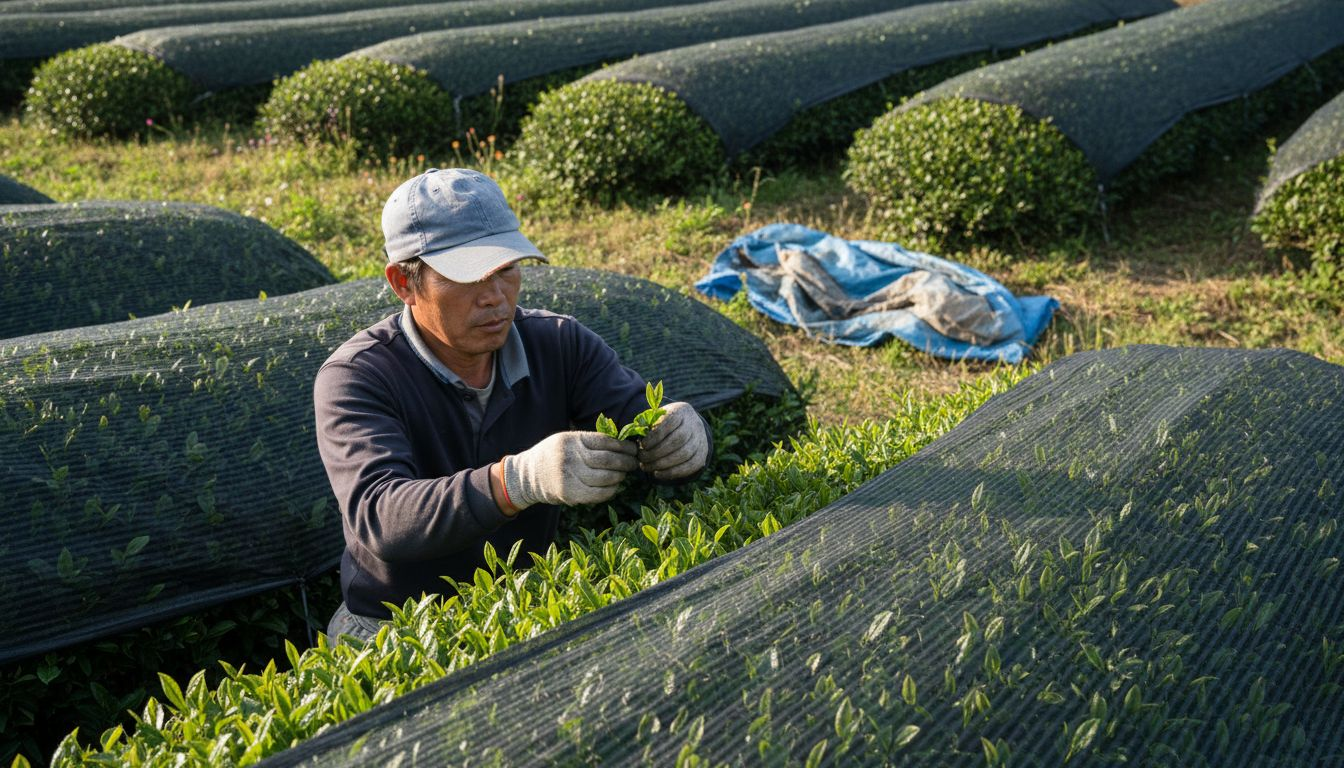
Nutritional intensity sets matcha apart from conventional green tea. Phytochemical analysis reveals matcha’s superior antioxidant profile, with higher concentrations of polyphenols and catechins like EGCG. The unique processing method yields a more potent beverage with a distinctive umami flavor, sweeter taste, and more pronounced health benefits. Ceremonial and culinary grade matchas offer varying levels of complexity, allowing consumers to choose based on their specific taste preferences and intended use.
Here’s a concise comparison highlighting what sets matcha apart from standard green tea:
| Aspect | Matcha | Traditional Green Tea |
|---|---|---|
| Plant Shade-Growing | 2-3 weeks before pick | No shading required |
| Processing | Ground whole leaves | Leaves are steeped only |
| Caffeine Content | Higher per serving | Lower per serving |
| Antioxidant Level | Very high | Moderate |
| Typical Flavor | Umami, smooth, sweet | Grassy, mild, astringent |
Pro tip: Store your matcha in an airtight, opaque container away from light and heat to preserve its vibrant color, delicate flavor, and nutritional potency.
Matcha Health Benefits and Potential Risks
Clinical research highlights multiple promising health benefits associated with regular matcha consumption, revealing a complex profile of potential wellness advantages balanced with important considerations for mindful intake. The concentrated green tea powder offers a potent blend of bioactive compounds that extend far beyond traditional beverage nutrition.
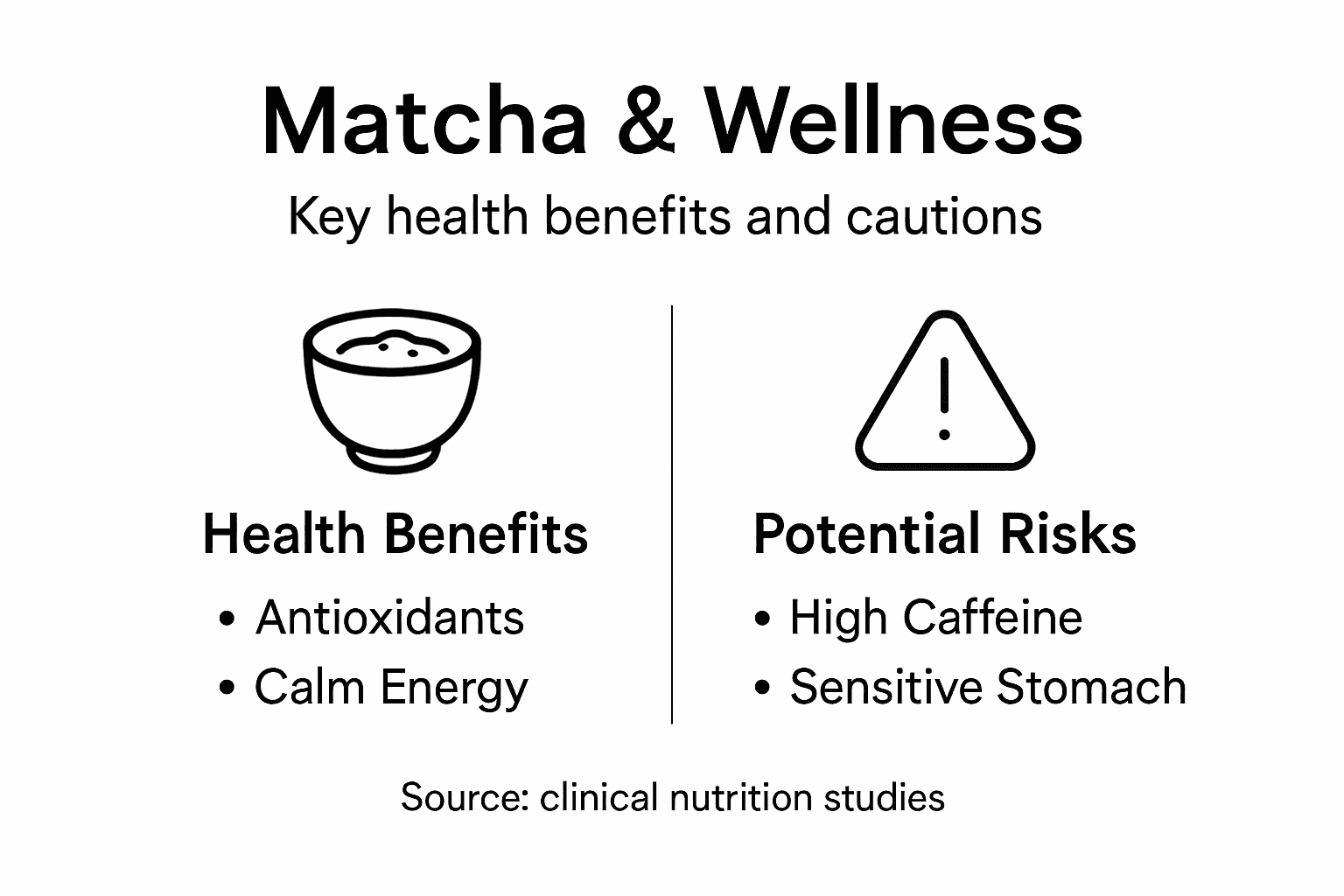
Matcha’s remarkable health profile stems from its rich concentration of antioxidants, particularly catechins like epigallocatechin gallate (EGCG). These powerful compounds demonstrate potential in supporting cognitive function, reducing oxidative stress, and potentially mitigating risks of chronic diseases. Randomized clinical trials suggest potential improvements in cardiovascular health, metabolic function, and stress reduction, with researchers noting significant physiological responses to consistent matcha consumption.
However, responsible consumption requires understanding potential risks. The high caffeine content means individuals with sensitivity should moderate intake, particularly those with pre-existing heart conditions or anxiety disorders. While generally well-tolerated, matcha’s potent compounds can interact with certain medications and may cause side effects like increased heart rate or digestive discomfort in some individuals. Pregnant women, individuals with specific health conditions, and those on medication should consult healthcare professionals before integrating matcha into their regular diet.
Pro tip: Start with small matcha servings and observe your body’s response, gradually increasing intake while monitoring how you feel to determine your personal tolerance and optimal consumption level.
Tips for Buying Quality Matcha Safely
Navigating the world of matcha requires a discerning eye and understanding of key quality indicators. Choose authentic matcha from reputable sources by examining several critical characteristics that distinguish premium products from inferior alternatives. The color, texture, origin, and processing method are crucial elements in determining matcha’s overall quality and potential health benefits.
Visual and Sensory Indicators play a significant role in matcha selection. High-quality matcha should display a vibrant, deep green color - almost emerald-like - without any brownish or yellowish undertones. The powder must be exceptionally fine, with a silky smooth texture that feels almost like talcum powder when touched. When you open a quality matcha container, you should immediately notice a fresh, grassy aroma that hints at its potent nutritional profile. Avoid matcha that appears dull, lacks vibrancy, or smells stale or musty.
When purchasing matcha, prioritize specific sourcing details. Ceremonial grade matcha from Japan, particularly regions like Uji in Kyoto, represents the gold standard for quality. Look for packages that clearly indicate the harvest date, origin, and processing method. Transparent sellers will provide information about shade-growing techniques, harvest timing, and grinding processes. Be cautious of extremely low-priced options, as authentic, high-quality matcha requires meticulous cultivation and processing, which is reflected in its cost.
Pro tip: Always store your matcha in an opaque, airtight container away from light, heat, and moisture to preserve its color, flavor, and nutritional integrity.
Unlock the Full Wellness Potential of Matcha Today
The article highlights matcha as a powerful superfood known for its rich antioxidants, enhanced nutritional profile, and calming yet energizing benefits. If you want to embrace this unique green tea tradition and incorporate its health advantages into your daily routine, start by selecting premium quality matcha designed for optimal flavor and wellness impact. Myequa.com offers carefully sourced matcha options that align with the article’s focus on authentic, vibrant, and nutrient-dense tea. Explore our REDUCED VAT MATCHA – EQUA - Sustainable Water Bottles category for a trusted selection of matcha powders that meet the highest standards described.

Experience matcha in the most convenient and mindful way by pairing it with hydration solutions and wellness accessories from our site. Take advantage of our Black Friday deals offering up to 70 percent off to elevate your matcha journey while saving on functional wellness drinks, hydration bottles, and sleep aids all designed to support your holistic lifestyle. Visit Myequa.com now and start transforming your wellness routine with premium matcha and thoughtfully curated health products made for you.
Frequently Asked Questions
What are the primary health benefits of consuming matcha?
Matcha is rich in antioxidants, particularly catechins like EGCG, which may support cognitive function, reduce oxidative stress, and help mitigate risks of chronic diseases. Regular consumption may also improve cardiovascular health and metabolic function.
How does matcha differ from traditional green tea?
Matcha involves consuming the entire ground leaf powder, increasing the intake of antioxidants and caffeine. Unlike traditional green tea, which uses steeped leaves, matcha plants are shaded before harvest, enhancing chlorophyll and amino acid content, resulting in a more potent beverage.
What are the different grades of matcha and their uses?
Matcha is classified into three main grades: ceremonial, premium, and culinary. Ceremonial grade is the highest quality, ideal for tea ceremonies; premium grade is balanced for drinking; culinary grade is best for cooking and baking due to its bold flavor and lower price.
Are there any risks associated with drinking matcha?
While matcha offers various health benefits, its high caffeine content may cause issues for those with sensitivity. It may interact with certain medications and cause side effects like increased heart rate or digestive discomfort. It’s advised to consult a healthcare professional for personal guidance.
Recommended
Zdieľať
https://www.facebook.com/TestoDarkMaleEnhancement.Get
https://www.facebook.com/groups/testo.dark.male.enhancement.2026
https://www.facebook.com/groups/testodarkmaleenhancement.new
https://www.facebook.com/groups/testodarkmaleenhancement.get
https://www.facebook.com/events/869163465813062/
https://www.facebook.com/events/1583393082694004/
https://www.facebook.com/events/1565018231408893/
https://groups.google.com/g/testodarkmaleenhancement/c/6dUOizjktwM
https://sites.google.com/view/testodarkmaleenhancement2026/home
https://scribehow.com/viewer/Testo_Dark_Male_Enhancement__Expert_Review_Is_It_Worth_Your_Money__b4WUi8piSsSgB28uoIJXtw
https://scribehow.com/viewer/Testo_Dark_Male_Enhancement__Is_It_Safe_Read_Experts_Opinion__5Mejqo2sQe6ovMEOO7PHrQ
https://scribehow.com/viewer/Testo_Dark_Male_Enhancement_Can_It_Really_Improve_Your_Confidence__HFSDR2qkS2CzjeBW-RkCAw
https://scribehow.com/viewer/Testo_Dark_Male_Enhancement_Reviews_Cost_Scam_Exposed__6a0zMnJcRa6Eugy0ZWZ2AA
https://scribehow.com/viewer/Testo_Dark_Male_Enhancement_Buy_Now_and_Boost_Strength_Stamina_and_Confidence__0yiQlZbASl6mXFnlPgtjWA
https://scribehow.com/viewer/Testo_Dark_Male_Enhancement_Why_Men_Are_Choosing__lBHdsbWUQNG_ayQv1sSQ6A
https://ollama.com/Testo-Dark/TestoDarkOfficial
https://testodarkmaleenhancementus.zohodesk.com/portal/en/kb/articles/testo-dark-male-enhancement-expert-review-is-it-worth-your-money
https://testodarkmaleenhancementus.zohodesk.com/portal/en/kb/articles/testo-dark-male-enhancement-can-it-really-improve-your-confidence
https://testodarkmaleenhancementus.zohodesk.com/portal/en/kb/articles/testo-dark-male-enhancement-reviews-cost-scam-exposed
https://testodarkmaleenhancementus.zohodesk.com/portal/en/kb/articles/testo-dark-male-enhancement-buy-now-boost-strength-stamina-and-confidence
https://testodarkmaleenhancementus.zohodesk.com/portal/en/kb/articles/testo-dark-male-enhancement-why-men-are-choosing
https://testodarkmaleenhancementus.zohodesk.com/portal/en/kb/articles/testo-dark-male-enhancement-is-it-safe-read-experts-opinion
https://eventprime.co/o/testodark
https://testo-dark-male-enhancement.alboompro.com/testo-dark-male-enhancement
https://form.jotform.com/testodark/testo-dark-male-enhancement
https://cascadespringsnature.org/forum/topic/testo-dark-male-enhancement-can-it-really-improve-your-confidence/
https://cascadespringsnature.org/forum/topic/testo-dark-male-enhancement-reviews-cost-scam-exposed/
https://www.grepmed.com/TestoDarkMaleEnhancementusa
https://testodark.wixsite.com/testo-dark
https://5ghub.us/forums/topic/testo-dark-male-enhancement-reviews-cost-scam-exposed/
https://scribehow.com/viewer/Rambo_Max_Male_Enhancement__Can_It_Really_Improve_Your_Confidence__gNTwO4BsQwKnYMPxT0oi3Q
https://scribehow.com/viewer/Rambo_Max_Male_Enhancement__Expert_Review_Is_It_Worth_Your_Money__h6LEgzUNQ5uKeRbJnA2kFA
https://scribehow.com/viewer/Rambo_Max_Male_Enhancement__Is_It_Safe_Read_Experts_Opinion__zGfNW8aZSemrTm6BE-GzNA
https://scribehow.com/viewer/Rambo_Max_Male_Enhancement_Reviews_Cost_Scam_Exposed__aaTehbXvT8OQGFVUTlFe5Q
https://truemancare.zohodesk.com/portal/en/kb/articles/rambo-max-male-enhancement-reviews-cost-scam-exposed
https://truemancare.zohodesk.com/portal/en/kb/articles/rambo-max-male-enhancement-is-it-safe-read-experts-opinion
https://truemancare.zohodesk.com/portal/en/kb/articles/rambo-max-male-enhancement-expert-review-is-it-worth-your-money
https://truemancare.zohodesk.com/portal/en/kb/articles/rambo-max-male-enhancement-can-it-really-improve-your-confidence
https://ollama.com/RamboMax/rambomax
https://github.com/RamboMaxEnhancement/Rambo-Max-Male-Enhancement-Can-It-Really-Improve-Your-Confidence
https://rambmaxmaleenhancement2026.alboompro.com/rambo-max-male-enhancement
https://scribehow.com/viewer/Life_Support_Labs_Male_Performance__Is_It_Safe_Read_Experts_Opinion__9JOmP7uOSTyZkh9_JzWRJg
https://scribehow.com/viewer/Life_Support_Labs_Male_Performance_Reviews_Cost_Scam_Exposed__hrrIAhUVSOKunnNvfUn3bg
https://scribehow.com/viewer/Life_Support_Labs_Male_Performance_Officialtm__Is_It_Worth_the_Hype__88TKD1KyQIeEPW5d81oycQ
https://scribehow.com/viewer/Life_Support_Labs_Male_Performance__Can_It_Really_Improve_Your_Confidence__U1djDb83Q9GjpzKj2sBD-g
https://scribehow.com/viewer/Prime_Trt_Male_Enhancement_Reviews_Worth_Buying_or_Fake_Scam__RgUznmnnTGSceXDj2eKAsg
https://scribehow.com/viewer/Prime_Trt_Male_Enhancement__Can_It_Really_Improve_Your_Confidence__BTo8P_oySfKpD9mkFqVcag
https://scribehow.com/viewer/Prime_Trt_Male_Enhancement__Happy_Sex_Life__Is_It_Worth_the_Buzz__hEVqtLmrRdetkIIQ4UZsEg
https://scribehow.com/viewer/Prime_Trt_Male_Enhancement_Review_Is_It_Really_Worth_The_Hype__3w0EHuEVRuerWziXJExfSQ
https://scribehow.com/viewer/Supreme_Male_Alpha_Gummies_Is_It_Safe_Read_Experts_Opinion__mWMUYTQNTIWTmfxq6TxH7w
https://scribehow.com/viewer/Supreme_Male_Alpha_Gummies_Officia__Is_It_Worth_the_Hype__lcDBUlaLSc2KkXLK7cIEOQ
https://scribehow.com/viewer/Supreme_Male_Alpha_Gummies_Review_Is_It_Really_Worth_The_Hype__HIXWAZjuSOuKv4ZQiK3YUg
https://scribehow.com/viewer/Supreme_Male_Alpha_Gummies__Can_It_Really_Improve_Your_Confidence__2nxSxAAjSmOV-cNt2vVStw
https://supremealphagummies.zohodesk.com/portal/en/kb/articles/supreme-male-alpha-gummies-officia-is-it-worth-the-hype
https://scribehow.com/viewer/Vital_Boost_Xl_Reviews__Is_It_Worth_Buying_User_Opinion__YQ8gdeAFSe2MbJfv2PrJgA
https://scribehow.com/viewer/Vital_Boost_Xl_Buy_Now_and_Boost_Strength_Stamina_and_Confidence__8krk1egrTRyz6KjltFNuFw
https://scribehow.com/viewer/Vital_Boost_Xl__Can_It_Really_Improve_Your_Confidence__0QYyQho7QJ-NuxZMuLz1sQ
https://scribehow.com/viewer/Vital_Boost_XL_Why_Men_Are_Choosing__BnAnlvP2Rh-SFkOPpzE9tw
https://www.facebook.com/alphamalecomplexgummies.usa
https://www.facebook.com/groups/alphamalecomplexgummies.free/
https://www.facebook.com/groups/alphamalecomplexgummies.buy/
https://www.facebook.com/groups/alphamalecomplexgummies.sale/
https://www.facebook.com/events/1834763240512356/
https://www.facebook.com/events/1855236148436756/
https://www.facebook.com/events/2141370059731064/
https://scribehow.com/viewer/Alpha_Male_Complex_Gummies_Reviews_Get_Long_Lasting_Performance_in_Bed__U0INt3KWQemHZLmdVEpq9Q
https://scribehow.com/viewer/Alpha_Male_Complex_Gummies_Flow_Reviews_Improve_Your_Erection_With_Satisfaction__mjMC9qj2SJ2bOZ1lfNMGRw
https://scribehow.com/viewer/Alpha_Male_Complex_Gummies_Fully_Loaded_With_Stamina_or_Erection__Xr2euPBARnaY8qzCrdNwSw
https://scribehow.com/viewer/Alpha_Male_Complex_Gummies_Happy_Sex_Life__Is_It_Worth_the_Buzz__eKO_KwVBQia-njmdDHdvnA
https://ollama.com/alphamalecomplexgummies/alphamale
https://wanderlog.com/plan/wdpzuieyoknbyhfm/alpha-male-complex-gummies-get-better-longer—more-intense-sex/shared
https://wanderlog.com/view/skpuhbbndm/alpha-male-complex-gummies-happy-sex-life—is-it-worth-the-buzz/shared
https://wanderlog.com/plan/wjvzsycmkajacraj/alpha-male-complex-gummies-can-it-really-improve-your-confidence/shared
https://wanderlog.com/plan/dojgtjxohnaoryaz/alpha-male-complex-gummies-expert-review-is-it-worth-your-money/shared
https://alphamalecomplexgummiesus.zohodesk.com/portal/en/kb/articles/alpha-male-complex-gummies-get-better-longer-more-intense-sex
https://alphamalecomplexgummiesus.zohodesk.com/portal/en/kb/articles/alpha-male-complex-gummies-eviews-does-it-work-or-not
https://alphamalecomplexgummiesus.zohodesk.com/portal/en/kb/articles/alpha-male-complex-gummies-for-sexual-health
https://alphamalecomplexgummiesus.zohodesk.com/portal/en/kb/articles/alpha-male-complex-gummies-enhance-your-erection-with-satisfaction
https://sites.google.com/view/alpha-male-complex-gummies-us/
https://groups.google.com/u/2/g/alphamalecomplexgummies/c/VJ77vosKReY
https://alphamalecomplexgummies.alboompro.com/
https://alphamalecomplexgummiesfree.alboompro.com/
https://scribehow.com/viewer/Ereforce_Gummies_United_Kingdom__How_They_Can_Improve_Your_Mood_Memory_and_Focus__pkTP1HmXR0KilIZbox-T3g
https://scribehow.com/viewer/Ereforce_Gummies_United_Kingdom__Review_Is_It_Really_Worth_The_Hype__TNon7PGsSzOt3sTmnRapLw
https://scribehow.com/viewer/Ereforce_Gummies_United_Kingdom__Enhance_Your_Erection_With_Satisfaction__c-9mXNAzSmKrAk4Uwu9ePw
https://scribehow.com/viewer/Ereforce_Gummies_United_Kingdom__Enhance_Your_Libido_With_Satisfaction__1fdZDhkETZmIEhFTZcSA9Q
https://www.facebook.com/events/1255208193209678/
https://www.facebook.com/events/1945730096359162
https://www.facebook.com/groups/ereforcegummiesunitedkingdom
https://www.facebook.com/groups/ereforcegummiesunitedkingdom.usa
https://www.facebook.com/groups/boostronmaleenhancement.web
https://www.facebook.com/EreforceGummiesUnitedKingdom
https://ollama.com/EreforceGummiesUnitedKingdom/EreforceGummiesUnitedKingdom
https://ereforcegummiesuk.zohodesk.com/portal/en/kb/articles/ereforce-gummies-united-kingdom-how-they-can-improve-your-mood-memory-and-focus
https://ereforcegummiesuk.zohodesk.com/portal/en/kb/articles/ereforce-gummies-united-kingdom-review-is-it-really-worth-the-hype
https://ereforcegummiesuk.zohodesk.com/portal/en/kb/articles/ereforce-gummies-united-kingdom-enhance-your-erection-with-satisfaction
https://ereforcegummiesuk.zohodesk.com/portal/en/kb/articles/ereforce-gummies-united-kingdom-enhance-your-libido-with-satisfaction
https://wanderlog.com/plan/plwdujpgytqmshzu/ereforce-gummies-united-kingdom-fully-loaded-with-stamina—erection/shared
https://wanderlog.com/plan/matltfmlvkrvsbyh/ereforce-gummies-united-kingdom-get-better-longer—more-intense-sex/shared
https://wanderlog.com/plan/zmpfxbvkvimsoree/ereforce-gummies-united-kingdom-flow-reviews-improve-your-erection-with-satisfaction/shared
https://www.facebook.com/BoostronMaleEnhancement2026
https://www.facebook.com/groups/boostronmaleenhancementusa2026
https://www.facebook.com/groups/boostronmaleenhancementusafree
https://www.facebook.com/events/2027551941424745/
https://www.facebook.com/events/1218681913544373/
https://scribehow.com/viewer/Boostron_Male_Enhancement_Enhance_Sexual_Health_and_Vitality_with_Proven_Ingredients__XEBU0gD5TMmmSLNVIm1L4w
https://scribehow.com/viewer/Boostron_Male_Enhancement__Unlock_Your_Full_Potential_with_Natural_Support__g6ZJGLezQuu-zcrQOt_uxw
https://scribehow.com/viewer/Boostron_Male_Enhancement__Key_Ingredients_and_Benefits_for_Optimal_Male_Health__dkCYgek7RTahXH5B4SpSMg
https://boostronmaleenhancement2026.zohodesk.com/portal/en/kb/articles/boostron-male-enhancement-enhance-sexual-health-and-vitality-with-proven-ingredients
https://boostronmaleenhancement2026.zohodesk.com/portal/en/kb/articles/boostron-male-enhancement-unlock-your-full-potential-with-natural-support
https://boostronmaleenhancement2026.zohodesk.com/portal/en/kb/articles/boostron-male-enhancement-key-ingredients-and-benefits-for-optimal-male-health
https://ollama.com/Boostron/Boostron
https://boostronmaleenhancementusa.lovable.app/
https://garaherbformenusa.lovable.app
https://www.facebook.com/GaraherbForMenUs
https://www.facebook.com/groups/garaherbformenusa
https://www.facebook.com/events/2711316202579517/
https://www.facebook.com/groups/garaherbformen.us
https://www.facebook.com/events/1192158966454849/
https://garaherbformen.alboompro.com/garaherbformen
https://garaherbformen.zohodesk.com/portal/en/kb/articles/garaherb-for-men-review-uncovering-reviews-benefits-analysis-49
https://garaherbformen.zohodesk.com/portal/en/kb/articles/garaherb-for-men-we-tried-it-55-day-s-beware-buyer-avoid-customer-risks
https://garaherbformen.zohodesk.com/portal/en/kb/articles/garaherb-for-men-reviews-jan-2026-critical-customer-warning-exposed-ingredients-49
https://garaherbformen.zohodesk.com/portal/en/kb/articles/garaherb-for-men-reviews-we-tested-it-for-90-days-the-real-science-behind
https://wanderlog.com/view/ncjvdtwyki/garaherb-for-men-review-uncovering-reviews-benefits-analysis49/shared
https://wanderlog.com/view/chlxefafzf/garaherb-for-men-we-tried-it-55-days-beware-buyer-avoid-customer-risks/shared
https://startupcentrum.com/tech-center/garaherb-for-men-review-uncovering-reviews-benefits-analysis-49
https://startupcentrum.com/tech-center/garaherb-for-men-official-is-it-worth-the-hype
https://startupcentrum.com/tech-center/garaherb-for-men-we-tried-it-55-day-s-beware-buyer-avoid-customer-risks
https://scribehow.com/viewer/Garaherb_For_Mentm_Review_Uncovering_Reviews_Benefits_Analysisdollar49__6SgZ1Tf6Sbmz6UTf0u7Zwg
https://scribehow.com/viewer/Garaherb_For_Mentm_We_Tried_It_55_days_Beware_Buyer_Avoid_Customer_Risks__L3Ukb2iQSr2q0LdYUph3kg
https://www.facebook.com/ApexForceMaleEnhancement2025/
https://www.facebook.com/groups/apexforcemaleenhancementusofficial
https://www.facebook.com/groups/apexforcemaleenhancementshop.new
https://www.facebook.com/events/1091461319508773/
https://www.facebook.com/events/1446320353101525
https://eventprime.co/o/ApexForceMaleEnhancement
https://eventprime.co/o/ApexForceMaleEnhancementUSA
https://apexforcemaleenhancementusa.zohodesk.com/portal/en/kb/articles/apex-force-male-enhancement-is-it-worth-the-hype
https://apexforcemaleenhancementusa.zohodesk.com/portal/en/kb/articles/apex-force-male-enhancement-list-of-top-sex-pills-to-increase-sex-drive
https://apexforcemaleenhancementusa.zohodesk.com/portal/en/kb/articles/apex-force-male-enhancement-review-is-it-really-worth-the-hype
https://apexforcemaleenhancementusa.zohodesk.com/portal/en/kb/articles/apex-force-male-enhancement-for-sexual-health
https://apexforcemale3.alboompro.com/post/apex-force-male-enhancement-review-is-it-really-worth-the-hype
https://apexforcemale3.alboompro.com/post/apex-force-male-enhancement-for-sexual-health
https://apexforcemale3.alboompro.com/post/apex-force-male-enhancement-review-is-it-really-worth-the-hype
https://slonec.com/candidate/apexforcemaleenhancementusa/
https://www.facebook.com/TestoDarkMaleEnhancement
https://www.facebook.com/groups/testodarkmaleenhancement
https://www.facebook.com/events/1200065902340188
https://www.facebook.com/groups/testodarkmaleenhancement.usa
https://www.facebook.com/events/3374915289316485
https://testodarkhealth.zohodesk.com/portal/en/kb/articles/testo-dark-male-enhancement-where-to-buy-is-it-worth-buying
https://testodarkhealth.zohodesk.com/portal/en/kb/articles/testo-dark-male-enhancement-we-tried-it-55-day-s-beware-buyer-avoid-customer-risks
https://testodarkhealth.zohodesk.com/portal/en/kb/articles/testo-dark-male-enhancement-reviews-we-tested-it-for-90-days-the-real-science-behind
https://testodarkhealth.zohodesk.com/portal/en/kb/articles/testo-dark-male-enhancement-review-uncovering-reviews-benefits-analysis-49
https://scribehow.com/viewer/Testo_Dark_Male_Enhancementtm_Review_Uncovering_Reviews_Benefits_Analysisdollar49__fJVZBiGlSiCXPzwfYvx_Vg
https://startupcentrum.com/tech-center/testo-dark-male-enhancement-where-to-buy-is-it-worth-buying
https://startupcentrum.com/tech-center/testo-dark-male-enhancement-we-tried-it-55-day-s-beware-buyer-avoid-customer-risks-testo-dark-male-enhancement-review-uncovering-reviews-benefits-analysis-49
https://startupcentrum.com/tech-center/testo-dark-male-enhancement-reviews-we-tested-it-for-90-days-the-real-science-behind
https://wanderlog.com/view/mpwvsrncwp/testo-dark-male-enhancement-review-uncovering-reviews-benefits-analysis49/shared
https://wanderlog.com/view/khrhytlkrb/testo-dark-male-enhancement-we-tried-it-55-days-beware-buyer-avoid-customer-risks/shared
https://www.facebook.com/BoostronMaleEnhancement2026
https://www.facebook.com/groups/boostronmaleenhancementusa2026
https://www.facebook.com/groups/boostronmaleenhancementusafree
https://www.facebook.com/events/2027551941424745/
https://www.facebook.com/events/1218681913544373/
https://scribehow.com/viewer/Boostron_Male_Enhancement_Enhance_Sexual_Health_and_Vitality_with_Proven_Ingredients__XEBU0gD5TMmmSLNVIm1L4w
https://scribehow.com/viewer/Boostron_Male_Enhancement__Unlock_Your_Full_Potential_with_Natural_Support__g6ZJGLezQuu-zcrQOt_uxw
https://scribehow.com/viewer/Boostron_Male_Enhancement__Key_Ingredients_and_Benefits_for_Optimal_Male_Health__dkCYgek7RTahXH5B4SpSMg
https://boostronmaleenhancement2026.zohodesk.com/portal/en/kb/articles/boostron-male-enhancement-enhance-sexual-health-and-vitality-with-proven-ingredients
https://boostronmaleenhancement2026.zohodesk.com/portal/en/kb/articles/boostron-male-enhancement-unlock-your-full-potential-with-natural-support
https://boostronmaleenhancement2026.zohodesk.com/portal/en/kb/articles/boostron-male-enhancement-key-ingredients-and-benefits-for-optimal-male-health
https://ollama.com/Boostron/Boostron
https://www.facebook.com/PrimeTrtMaleEnhancement.2026
https://www.facebook.com/groups/primetrtmaleenhancement
https://www.facebook.com/groups/primetrtmaleenhancement.us
https://www.facebook.com/groups/primetrtmaleenhancement.2026
https://www.facebook.com/events/877386208325575/
https://www.facebook.com/events/2002412200671813/
https://www.facebook.com/events/1435308251538478/
https://scribehow.com/viewer/Prime_Trt_Male_Enhancement_Reviews_Worth_Buying_or_Fake_Scam__RgUznmnnTGSceXDj2eKAsg
https://scribehow.com/viewer/Prime_Trt_Male_Enhancement__Can_It_Really_Improve_Your_Confidence__BTo8P_oySfKpD9mkFqVcag
https://scribehow.com/viewer/Prime_Trt_Male_Enhancement__Happy_Sex_Life__Is_It_Worth_the_Buzz__hEVqtLmrRdetkIIQ4UZsEg
https://scribehow.com/viewer/Prime_Trt_Male_Enhancement_Review_Is_It_Really_Worth_The_Hype__3w0EHuEVRuerWziXJExfSQ
https://ollama.com/Prime-Trt/Prime-Trt
https://primetrtmaleenhancement.zohodesk.com/portal/en/kb/articles/prime-trt-male-enhancement-review-is-it-really-worth-the-hype
https://primetrtmaleenhancement.zohodesk.com/portal/en/kb/articles/prime-trt-male-enhancement-happy-sex-life-is-it-worth-the-buzz
https://primetrtmaleenhancement.zohodesk.com/portal/en/kb/articles/prime-trt-male-enhancement-can-it-really-improve-your-confidence
https://primetrtmaleenhancement.zohodesk.com/portal/en/kb/articles/prime-trt-male-enhancement-reviews-worth-buying-or-fake-scam
https://startupcentrum.com/tech-center/prime-trt-male-enhancement-can-it-really-improve-your-confidence
https://startupcentrum.com/tech-center/prime-trt-male-enhancement-review-is-it-really-worth-the-hype
https://startupcentrum.com/tech-center/prime-trt-male-enhancement-is-it-safe-read-experts-opinion
https://primetrtmaleenhancement.alboompro.com/prime-trt-male-enhancement
https://cascadespringsnature.org/forum/topic/prime-trt-male-enhancement-reviews-cost-scam-exposed/
https://cascadespringsnature.org/forum/topic/prime-trt-male-enhancement-is-it-safe-read-experts-opinion/
https://wanderlog.com/view/kwspdskftc/prime-trt-male-enhancement—can-it-really-improve-your-confidence/shared
https://wanderlog.com/view/ieppirohkp/prime-trt-male-enhancement-happy-sex-life—is-it-worth-the-buzz/shared
https://www.grepmed.com/PrimeTrtMaleEnhancement
https://comunidad.espoesia.com/primetrtmaleenhancement/prime-trt-male-enhancement-reviews-does-it-work-or-not/
https://comunidad.espoesia.com/primetrtmaleenhancement/prime-trt-male-enhancement-official-is-it-worth-the-hype/
https://comunidad.espoesia.com/primetrtmaleenhancement/prime-trt-male-enhancement-review-is-it-really-worth-the-hype/
https://comunidad.espoesia.com/primetrtmaleenhancement/prime-trt-male-enhancement-expert-review-is-it-worth-your-money/
https://5ghub.us/forums/topic/prime-trt-male-enhancement-official-website/
https://www.facebook.com/SupremeMaleAlphaGummies.us
https://www.facebook.com/groups/suprememalealphagummies.us
https://www.facebook.com/groups/suprememalealphagummies
https://www.facebook.com/events/1642611646754523/
https://www.facebook.com/events/1875140126701434/
https://scribehow.com/viewer/Supreme_Male_Alpha_Gummies_Is_It_Safe_Read_Experts_Opinion__mWMUYTQNTIWTmfxq6TxH7w
https://scribehow.com/viewer/Supreme_Male_Alpha_Gummies_Officia__Is_It_Worth_the_Hype__lcDBUlaLSc2KkXLK7cIEOQ
https://scribehow.com/viewer/Supreme_Male_Alpha_Gummies_Review_Is_It_Really_Worth_The_Hype__HIXWAZjuSOuKv4ZQiK3YUg
https://scribehow.com/viewer/Supreme_Male_Alpha_Gummies__Can_It_Really_Improve_Your_Confidence__2nxSxAAjSmOV-cNt2vVStw
https://supremealphagummies.zohodesk.com/portal/en/kb/articles/supreme-male-alpha-gummies-officia-is-it-worth-the-hype
https://supremealphagummies.zohodesk.com/portal/en/kb/articles/supreme-male-alpha-gummies-review-is-it-really-worth-the-hype
https://supremealphagummies.zohodesk.com/portal/en/kb/articles/supreme-male-alpha-gummies-is-it-safe-read-experts-opinion
https://supremealphagummies.zohodesk.com/portal/en/kb/articles/supreme-male-alpha-gummies-can-it-really-improve-your-confidence
https://ollama.com/SupremeMaleAlphaGummies/SupremeMaleAlphaGummies
https://startupcentrum.com/tech-center/supreme-male-alpha-gummies-can-it-really-improve-your-confidence
https://startupcentrum.com/tech-center/supreme-male-alpha-gummies-reviews-cost-scam-exposed
https://startupcentrum.com/tech-center/supreme-male-alpha-gummies-expert-review-is-it-worth-your-money
https://wanderlog.com/view/hsbnztnvhk/supreme-male-alpha-gummies—why-men-are-choosing/
https://wanderlog.com/view/ztntyfncsq/supreme-male-alpha-gummies-review-is-it-really-worth-the-hype/
https://wanderlog.com/view/vyzpenbksz/supreme-male-alpha-gummies—my-honest-opinion-and-results/
https://5ghub.us/forums/topic/supreme-male-alpha-gummies-reviews-cost-scam-exposed/
https://cascadespringsnature.org/forum/topic/supreme-male-alpha-gummies-can-it-really-improve-your-confidence/
https://cascadespringsnature.org/forum/topic/supreme-male-alpha-gummies-reviews-cost-scam-exposed/
https://www.facebook.com/VitalBoostXl
https://www.facebook.com/events/2407127466370171/
https://www.facebook.com/events/1311089027374003/
https://www.facebook.com/events/1613047946361301/
https://www.facebook.com/groups/vitalboostxl
https://www.facebook.com/groups/vital.boost.xl.2026
https://www.facebook.com/groups/vital.boost.xl.us
https://scribehow.com/viewer/Vital_Boost_Xl_Reviews__Is_It_Worth_Buying_User_Opinion__YQ8gdeAFSe2MbJfv2PrJgA
https://scribehow.com/viewer/Vital_Boost_Xl_Buy_Now_and_Boost_Strength_Stamina_and_Confidence__8krk1egrTRyz6KjltFNuFw
https://scribehow.com/viewer/Vital_Boost_Xl__Can_It_Really_Improve_Your_Confidence__0QYyQho7QJ-NuxZMuLz1sQ
https://scribehow.com/viewer/Vital_Boost_XL_Why_Men_Are_Choosing__BnAnlvP2Rh-SFkOPpzE9tw
https://vitalboostxl.zohodesk.com/portal/en/kb/articles/vital-boost-xl-why-men-are-choosing
https://vitalboostxl.zohodesk.com/portal/en/kb/articles/vital-boost-xl-reviews-my-in-depth-analysis-of-this
https://vitalboostxl.zohodesk.com/portal/en/kb/articles/vital-boost-xl-reviews-is-it-really-worth-trying
https://vitalboostxl.zohodesk.com/portal/en/kb/articles/vital-boost-xl-reviews-is-it-worth-buying-user-opinion
https://ollama.com/VitalBoostXl/VitalBoostXl
