


Why Drink Matcha: Powerful Wellness Benefits
Finding the right wellness products during Black Friday sales can feel overwhelming, especially for European young adults balancing busy routines and tight budgets. Matcha stands out with high concentrations of antioxidants and unique compounds like EGCG and L-theanine that support heart health, cognitive function, and steady energy. This article breaks down what matcha is, how it’s made, and why its nutrient profile makes it such a popular choice for health-conscious shoppers looking for both tradition and science-backed benefits.
Table of Contents
- What Is Matcha And How It’s Made
- Key Nutrients And Unique Compounds In Matcha
- Comparing Matcha To Green Tea And Coffee
- Science-Backed Health Benefits Of Matcha
- Potential Risks And Safe Consumption Tips
Key Takeaways
| Point | Details |
|---|---|
| Matcha’s Unique Preparation | Matcha is made from finely ground shade-grown tea leaves, consumed whole, which enhances its nutritional benefits. |
| High Nutritional Density | It contains concentrated antioxidants, amino acids, and caffeine, providing holistic wellness support in one serving. |
| Mindfulness Ritual | The preparation of matcha encourages mindfulness, enhancing overall morning routine quality. |
| Caffeine and Health Benefits | Matcha delivers sustained energy without the jitters of coffee, making it a preferred choice for focus and calmness. |
What Is Matcha And How It’s Made
Matcha is a finely ground powder made from shade-grown green tea leaves, originating in Japan during the 16th century. Unlike regular green tea where you steep leaves and discard them, matcha suspends the entire leaf in water, meaning you consume the whole plant. This fundamental difference explains why matcha delivers such concentrated wellness benefits. The powder’s distinctive bright green color and rich, savory umami flavor come directly from its specialized growing process.
The journey from tea plant to powder is surprisingly meticulous. It starts with shade cultivation, where farmers cover tea plants for 3 to 4 weeks before harvest. This shading technique might seem counterintuitive, but it triggers something powerful in the leaves. When plants lose direct sunlight, they respond by producing more chlorophyll and boosting amino acid levels, particularly theanine. The result is a deeper green color and that distinctive sweet, umami-rich taste that sets matcha apart from standard green tea. After the shaded leaves are harvested, they’re steamed briefly to halt oxidation, then dried without rolling. This careful handling preserves the leaves’ vibrant color and nutrient profile. Finally, the dried leaves are ground into an ultra-fine powder using traditional stone mills, creating the matcha you see in your cup.
The cultivation method reveals why matcha packs such nutritional density. Because you’re consuming the entire leaf rather than just infused water, you get the full spectrum of compounds: chlorophyll, amino acids, antioxidants, and caffeine all suspended together. European consumers shopping for wellness products during major sales events often compare matcha to other supplements, but what makes matcha unique is that it’s a whole food. You’re getting a concentrated dose of plant compounds without extraction or processing that strips away nutrients. The preparation itself becomes part of the experience, whether you’re whisking it traditionally or blending it into your morning routine.
Understanding matcha’s origin story adds another layer to why this powder matters. The cultivation and processing methods have been refined over centuries, transforming what originated in China into a deeply embedded part of Japanese culture. Traditional Japanese tea ceremonies, called chado, center entirely around matcha preparation and consumption. This isn’t just about drinking a beverage; it’s about mindfulness, technique, and respect for the ingredient. When you choose matcha, you’re participating in a wellness tradition backed by hundreds of years of cultural refinement.
Pro tip: When shopping for matcha, look for vibrant green powder without brown or yellowish tones, which indicates shade-grown, properly processed leaves rather than oxidized or low-quality varieties.
Key Nutrients And Unique Compounds In Matcha
Matcha’s wellness reputation rests on what’s actually inside the powder. Unlike regular green tea, matcha delivers concentrated doses of bioactive compounds because you consume the entire leaf rather than just water steeped through it. The shade-growing process amplifies these compounds significantly. When tea plants are deprived of direct sunlight for weeks before harvest, they respond by producing higher levels of protective phytochemicals. This is why a single serving of matcha contains more antioxidants and beneficial compounds than multiple cups of standard green tea.
The star compound in matcha is a catechin called epigallocatechin gallate, or EGCG. Matcha contains the highest concentration of catechins among all green teas, making it a concentrated source of these powerful antioxidants. EGCG specifically works to reduce oxidative stress in your body, which is linked to aging and chronic disease. Beyond EGCG, matcha contains other impressive polyphenols and phytochemicals that work together synergistically. You’ll also find chlorophyll, the compound that gives matcha its vibrant green color and contributes to detoxification. Then there’s L-theanine, an amino acid that works alongside caffeine to create a calm, focused mental state without the jitters you might get from coffee. This combination of caffeine and theanine is unique to matcha and explains why people often describe it as providing sustained energy and mental clarity.
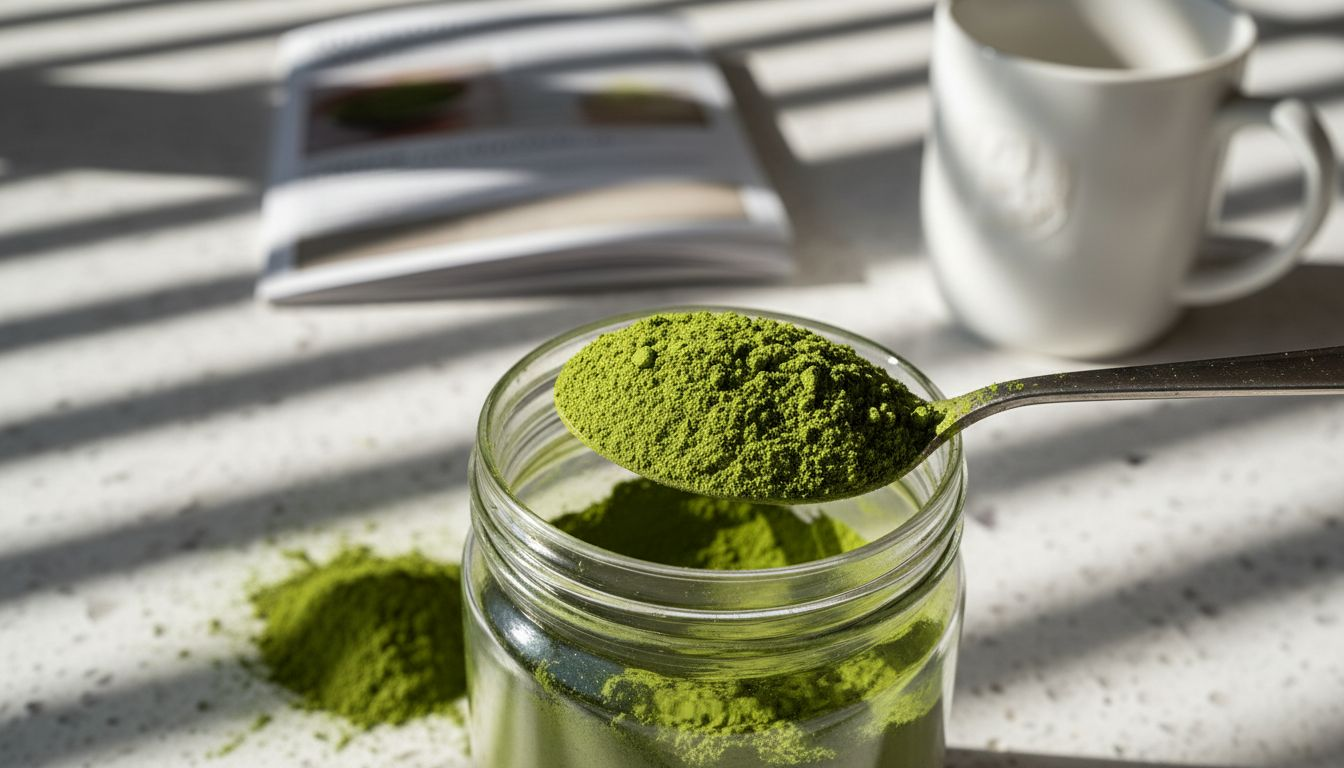
What makes matcha truly special is how these compounds interact with each other. The combination of high antioxidant levels and anti-inflammatory properties supports multiple body systems simultaneously. Researchers have found that EGCG and other catechins may benefit heart health by improving blood vessel function and supporting healthy cholesterol levels. For your brain, the theanine and caffeine pairing enhances focus and memory while promoting a sense of calm. The anti-inflammatory compounds address systemic inflammation, which is increasingly recognized as a root cause of many modern health issues. European consumers investing in wellness products often overlook that matcha offers multiple benefits in a single serving, making it one of the most comprehensive functional foods available. You’re not taking isolated nutrients or extracts; you’re getting the whole plant’s chemistry working in your favor.
The practical takeaway here is that matcha’s potency comes from both its nutrient density and the way those nutrients work together. A typical serving of matcha powder contains around 25 to 70 milligrams of caffeine paired with 100 to 140 milligrams of L-theanine, along with hundreds of other beneficial compounds. This profile explains why matcha has been central to Japanese wellness traditions for centuries. When you’re comparing wellness products during sales events, understanding what’s actually in your matcha helps you make smarter choices about quality and preparation methods.
Pro tip: Store your matcha in an airtight container away from light and heat to preserve the delicate compounds and vibrant green color, as exposure to air and sunlight degrades both flavor and nutritional potency over time.
Comparing Matcha To Green Tea And Coffee
Matcha, green tea, and coffee all deliver caffeine and wellness benefits, but they work in fundamentally different ways. All three come from plants that produce stimulating compounds, yet the experience of drinking them varies dramatically. Understanding these differences matters when you’re choosing what fits your lifestyle and health goals. If you’ve been grabbing coffee every morning without considering alternatives, matcha might shift how you approach your daily routine entirely.
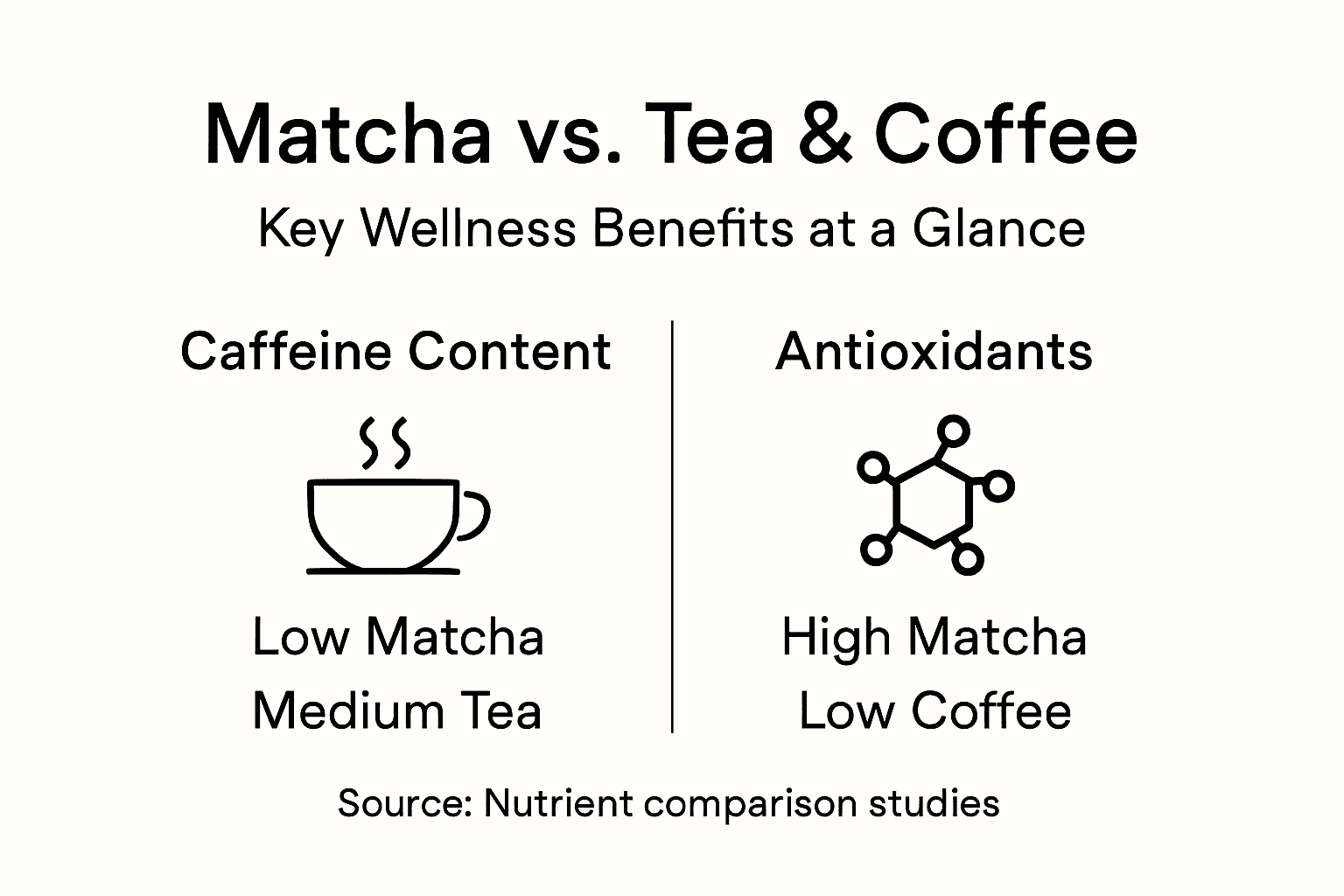
Green tea and matcha both come from the same Camellia sinensis plant, but that’s where the similarity ends. The critical difference lies in how they’re processed and consumed. Traditional green tea involves steeping dried leaves in hot water, then discarding the leaves themselves. This means you only absorb compounds that dissolve into the water. Matcha, by contrast, is shade-grown and stone-ground into a fine powder that you whisk directly into water. You consume the entire leaf, not just an infusion. This fundamental difference means matcha delivers roughly three times more antioxidants and amino acids than the same amount of steeped green tea. Both contain L-theanine, that calming amino acid, but matcha provides it in much higher concentrations. When you’re shopping for wellness products, understanding that matcha and green tea differ significantly in how they’re consumed helps explain why matcha commands a premium price compared to bagged green tea.
Now compare both to coffee, and you see an even starker contrast. Coffee contains roughly three times more caffeine than matcha per serving. For some people, that sounds ideal until they experience the crash. Coffee’s caffeine hits your system quickly, spiking your alertness within minutes. This creates that jittery, wired feeling many people chase in the morning. Then, about 4 to 6 hours later, your body metabolizes that caffeine surge, and you plummet into an energy crash. You feel suddenly exhausted and reach for another cup to compensate. Matcha operates on an entirely different mechanism. The L-theanine in matcha slows caffeine absorption, creating a sustained release of energy over 4 to 6 hours without the spike or crash. You get about one-third the caffeine of coffee, but it arrives steadily and stays available longer. This is why people who switch from coffee to matcha often report feeling less anxious while maintaining sharper focus throughout their day.
The antioxidant story matters too. Coffee contains some polyphenols, but it lacks the specific catechins and EGCG that matcha provides in abundance. Matcha supports heart health, brain function, and metabolic health in ways coffee simply cannot match. For European young adults juggling work stress and trying to maintain wellness during busy periods, this distinction becomes practical. You’re not just choosing a morning beverage; you’re selecting how your body processes energy and what nutritional support you receive alongside it. Some people choose matcha specifically because they want to reduce caffeine dependency without sacrificing mental clarity. Others appreciate that matcha provides sustained focus without the afternoon energy crash that derails productivity. Coffee drinkers often find themselves caught in a cycle: morning coffee to wake up, afternoon coffee to fight the crash, evening struggle with sleep because of lingering caffeine. Matcha breaks that pattern.
There’s also a mindfulness component worth mentioning. The ritual of whisking matcha creates a deliberate pause in your morning. You’re not just pouring hot water over a bag and moving on. You’re engaging in a 2 to 3 minute practice that mirrors Japanese tea ceremony traditions. This intentional approach often translates into better morning habits overall. People who commit to matcha frequently report that the ritual itself helps them start their day more centered, which compounds the benefits of the steady caffeine and L-theanine combination.
Here’s a concise comparison of matcha, green tea, and coffee based on key attributes:
| Beverage | Typical Caffeine (per serving) | Antioxidant Profile | Mental Effect |
|---|---|---|---|
| Matcha | 25–70 mg | High in EGCG and catechins | Calm, sustained focus |
| Green Tea | 20–45 mg | Moderate catechins, less EGCG | Mild clarity, gentle boost |
| Coffee | 95–200 mg | Low catechins, high chlorogenic acids | Rapid alertness, energy spike |
Pro tip: If you’re transitioning from coffee to matcha, start with a half-serving for the first week to let your body adjust to lower caffeine levels, then gradually increase to a full serving to avoid headaches from caffeine reduction.
Science-Backed Health Benefits Of Matcha
Matcha isn’t just trending because it tastes good or looks beautiful in a cup. Research consistently demonstrates that regular matcha consumption delivers measurable health improvements across multiple body systems. The scientific evidence is compelling enough that health institutions now recommend matcha as part of a wellness strategy, not just a pleasant beverage choice. For European adults seeking affordable wellness upgrades during Black Friday sales, understanding what the research actually shows helps you make informed decisions about your health investments.
One of the most striking studies examined cognitive health in older adults over 12 months. Participants who consumed matcha powder daily showed meaningful improvements in how they processed and recognized facial emotions, a measure called social acuity. They also reported better sleep quality, which compounds the cognitive benefits since sleep is when your brain consolidates memories and clears metabolic waste. The study identified matcha’s components like EGCG, theanine, and caffeine as key factors influencing these cognitive improvements. This matters beyond just academic interest. Better emotion recognition means improved social connections and relationship quality. Enhanced sleep means better recovery, clearer thinking, and reduced injury risk during daily activities. For young professionals navigating demanding careers, these benefits translate directly into performance improvements at work and better quality of life outside work hours.
Beyond cognition, matcha’s antioxidant and anti-inflammatory effects address some of the biggest health challenges facing modern adults. Matcha polyphenols, particularly the catechin EGCG, provide powerful antioxidant and anti-inflammatory benefits that support multiple body systems simultaneously. Your heart benefits from improved cholesterol levels and better blood vessel function. Your immune system strengthens through reduced inflammation, which is increasingly recognized as the root of chronic disease. Your brain receives ongoing protection from compounds that slow cognitive decline. Research suggests matcha may reduce risk factors associated with cancer, diabetes, and cardiovascular disease. These aren’t guarantees, but they represent meaningful protection against diseases that claim millions of lives annually. For European consumers investing in wellness products, this means matcha offers preventive power that many expensive supplements cannot match.
The L-theanine component deserves specific attention because it addresses something many people struggle with daily: stress without sacrificing focus. L-theanine promotes calm alertness, meaning you feel present and engaged without the anxiety or jitters. This is especially valuable during high-stress periods at work or when managing multiple responsibilities. Unlike meditation or stress management courses, which require dedicated time, matcha delivers this benefit through your morning routine. The combination of improved sleep quality, better stress management, and enhanced cognitive function creates a compounding effect. You sleep better, so you wake clearer. You feel calmer, so you handle stress more effectively. You think more clearly, so you make better decisions. These improvements reinforce each other.
What makes matcha particularly valuable compared to isolated supplements is the synergistic effect of consuming whole plant compounds together. You’re not taking extracted EGCG or synthesized L-theanine. You’re getting these compounds in their natural context, alongside hundreds of other phytochemicals that likely enhance absorption and effectiveness. This wholefood approach often produces better real-world results than supplement protocols. For people shopping wellness products during seasonal sales, this distinction matters financially. A quality matcha powder delivers multiple health benefits at a price point that makes it more affordable than purchasing separate supplements for heart health, brain function, immune support, and stress management.
Pro tip: Consistency matters more than quantity with matcha, so establishing a daily ritual of one serving provides better results than occasional large amounts, since the cognitive and antioxidant benefits accumulate over weeks of regular consumption.
Potential Risks And Safe Consumption Tips
Matcha is genuinely safe for most healthy adults when consumed responsibly. The research shows overwhelmingly positive outcomes, but like any concentrated food or supplement, matcha has boundaries. Understanding these limits helps you maximize benefits while avoiding unnecessary problems. The good news is that the risks are minimal and easily managed with basic awareness and moderate consumption habits.
The primary concern with matcha relates to caffeine content. A typical serving contains 25 to 70 milligrams of caffeine, which is significantly less than coffee’s 95 to 200 milligrams, but still enough to affect some people. If you’re sensitive to caffeine or consume matcha late in the afternoon, you might experience insomnia, nervousness, or jitteriness. The solution is simple: drink matcha in the morning and limit yourself to one serving daily. Some people find that starting with half a serving helps their body adjust. You might also consider matcha ceremonial grade, which tends to be smoother and less likely to cause jittery sensations than culinary grade varieties. Beyond caffeine, matcha consumption carries minimal risk when used in moderate amounts, though rare allergic reactions can occur in sensitive individuals, and matcha may interact with certain medications like cholesterol-lowering drugs.
A more nuanced concern involves lead and other heavy metals that tea leaves can accumulate from soil and water. This sounds alarming until you understand the context. All tea plants accumulate some contaminants, but high-quality, organically grown matcha from reputable sources contains minimal amounts well within safety limits. The key is purchasing from suppliers you trust. When shopping during Black Friday sales, don’t prioritize price over quality. A slightly more expensive organic matcha powder is worth the investment compared to cheaper alternatives that may come from less rigorously tested sources. Safe matcha consumption requires choosing high-quality, organically grown matcha from reputable sources to minimize risks from contaminant exposure. Pregnant women and children should limit intake due to caffeine sensitivity and potential contaminant concerns, though occasional moderate consumption is generally considered acceptable for these groups.
Specific populations need to exercise extra caution. Pregnant women should consult their healthcare provider about matcha consumption, as high caffeine intake during pregnancy has been associated with increased miscarriage risk. The good news is that matcha’s caffeine content is low enough that moderate consumption, perhaps a few times weekly, poses minimal risk when approved by your doctor. Children should avoid matcha entirely or consume it very rarely, as their smaller body size makes them more sensitive to caffeine’s effects. If you take medications, especially cholesterol-lowering drugs or blood thinners, mention matcha to your healthcare provider to confirm there are no interactions. Most interactions are theoretical rather than clinically significant, but it’s worth verifying.
Excessive consumption can trigger headaches, insomnia, digestive issues, and anxiety. The solution is straightforward: limit yourself to one serving daily, typically in the morning. Your body adapts quickly to this routine, and the benefits compound over weeks of consistent use. Think of matcha as a daily supplement rather than something to consume in unlimited quantities. Quality matters enormously here. One high-quality serving delivers better results and carries lower risk than multiple servings of lower-quality matcha. Store your matcha properly in an airtight container away from heat and light, which preserves both potency and safety by preventing oxidation and contamination.
For quick reference, here are best practices for safe matcha consumption:
| Tip | Why It Matters | Who Should Follow |
|---|---|---|
| Limit to 1 serving/day | Minimizes caffeine and contaminants | All adults |
| Choose organic sources | Reduces risk of heavy metals | Health-conscious buyers |
| Morning only | Avoids insomnia and jitters | Sensitive or new users |
| Consult provider | Checks for medication interactions | Pregnant women, those on meds |
Pro tip: Start with half a serving for your first week if you’re new to matcha or sensitive to caffeine, then gradually increase to a full serving only after confirming you tolerate it well without sleep disruption or anxiety.
Elevate Your Wellness Routine with Premium Matcha and Accessories
If you are ready to harness the powerful wellness benefits of matcha described in this article, it is time to upgrade your daily ritual with high-quality products designed for health and mindfulness. Matcha offers calm sustained focus, antioxidants, and a rich cultural tradition that supports mental clarity and stress management. Enhance these benefits by choosing the right matcha powder and mindful drinkware from trusted sources.

Explore our REDUCED VAT MATCHA collection for premium matcha options that capture the full nutrient density and purity needed for optimal results. Pair your matcha with Coffee Cups that elevate your preparation experience, or check out our variety of functional wellness DRINKS to complement your health journey. Act now to take advantage of exclusive Black Friday deals at https://myequa.com and begin your transformation toward better focus, relaxation, and sustained energy today.
Frequently Asked Questions
What are the health benefits of drinking matcha?
Drinking matcha is associated with numerous health benefits, including improved cognitive function, reduced oxidative stress, enhanced heart health, and stronger immune support, thanks to its high concentration of antioxidants like EGCG and other beneficial compounds.
How does matcha compare to regular green tea?
Unlike regular green tea, which is steeped and leaves are discarded, matcha involves consuming the entire leaf in powdered form, delivering about three times more antioxidants and amino acids. This comprehensive consumption offers greater health benefits.
Is matcha a good alternative to coffee?
Yes, matcha can be a beneficial alternative to coffee. It contains less caffeine than coffee but offers sustained energy without the jitters or crashes, thanks to the presence of L-theanine, which promotes calm alertness.
How should I prepare matcha for maximum benefits?
For optimal results, whisk matcha powder into hot water (not boiling) to create a frothy beverage. Consuming it daily in consistent, moderate amounts can help maximize its health benefits over time.
Recommended
- What Is Matcha and Its Impact on Wellness – EQUA - Sustainable Water Bottles
- Pumpkin Spice Matcha – EQUA - Sustainable Water Bottles
- MYEQUA Blog – EQUA - Sustainable Water Bottles
- 3 ways how to prepare a delicious Matcha latte – EQUA - Sustainable Water Bottles
- Matcha Skincare: Δέρμα Λαμπερό με Αντιοξειδωτικά | B Woman
- Understanding Herbs for Hair Growth: Nature’s Solutions | MyHair
Zdieľať
https://www.facebook.com/BalanceBlendsMalePerformanceGummies.us/
https://www.facebook.com/events/917980850662079/
https://www.facebook.com/events/889392080245761/
https://www.facebook.com/events/937427176125201/
https://www.facebook.com/groups/balanceblendsmaleperformancegummies.usa
https://www.facebook.com/groups/balanceblendsmaleperformancegummies.us
https://www.facebook.com/groups/balanceblendsmaleperformancegummies.2026
https://sites.google.com/view/balance-blends-male-gummies/
https://groups.google.com/g/balanceblendsmaleperformancegummies/c/9faTiZLEl8Y
https://scribehow.com/viewer/Balance_Blends_Male_Performance_Gummies__Expert_Review_Is_It_Worth_Your_Money__e4ToXA1IRqqAr37fT9rT7g
https://scribehow.com/viewer/Balance_Blends_Male_Performance_Gummies_Reviews_Cost_Scam_Exposed__Xu-Zo9GETIG-EAWqlrQLcw
https://scribehow.com/viewer/Balance_Blends_Male_Performance_Gummies_Review_Is_It_Really_Worth_The_Hype__JtCQA8mKRYKKHSGiz51AoA
https://scribehow.com/viewer/Balance_Blends_Male_Performance_Gummies_My_Honest_Opinion_and_Results__o4cWR_60TZOaNUZDsRLRCg
https://scribehow.com/viewer/Balance_Blends_Male_Performance_Gummies__Can_It_Really_Improve_Your_Confidence__SMp4wLmdSGCcRJpxwxtlmw
https://balanceblendsperformancegummies.zohodesk.com/portal/en/kb/articles/balance-blends-male-performance-gummies-reviews-cost-scam-exposed
https://balanceblendsperformancegummies.zohodesk.com/portal/en/kb/articles/balance-blends-male-performance-gummies-safe-effective-male-enhancement-in-2026
https://balanceblendsperformancegummies.zohodesk.com/portal/en/kb/articles/balance-blends-male-performance-gummies-why-men-are-choosing
https://balanceblendsperformancegummies.zohodesk.com/portal/en/kb/articles/balance-blends-male-performance-gummies-boost-stamina-energy
https://balanceblendsmaleperformancegummies.alboompro.com/
https://balanceblendsmaleperformancegummies.alboompro.com/post/balance-blends-male-performance-gummies-can-it-really-improve-your-confidence
https://balanceblendsmaleperformancegummies.alboompro.com/post/balance-blends-male-performance-gummies-review-is-it-really-worth-the-hype
https://ollama.com/BalanceBlendsMalePerformanceGummies/BalanceBlendsMalePerformanceGummies
https://contra.com/community/cmkkzsswy00003578cw4bjjfy
https://contra.com/community/cmkpby95k00003573ggk2ht9d
https://contra.com/community/cmkpc0ynd000135738c78y33k
https://contra.com/community/cmkpc2o0000023573nalzz7vx
https://contra.com/community/cmkpbvuao0000357363f2xq83
https://scribehow.com/viewer/Testo_Dark_Male_Enhancement__Expert_Review_Is_It_Worth_Your_Money__b4WUi8piSsSgB28uoIJXtw
https://scribehow.com/viewer/Testo_Dark_Male_Enhancement__Is_It_Safe_Read_Experts_Opinion__5Mejqo2sQe6ovMEOO7PHrQ
https://scribehow.com/viewer/Testo_Dark_Male_Enhancement_Can_It_Really_Improve_Your_Confidence__HFSDR2qkS2CzjeBW-RkCAw
https://scribehow.com/viewer/Testo_Dark_Male_Enhancement_Reviews_Cost_Scam_Exposed__6a0zMnJcRa6Eugy0ZWZ2AA
https://scribehow.com/viewer/Testo_Dark_Male_Enhancement_Buy_Now_and_Boost_Strength_Stamina_and_Confidence__0yiQlZbASl6mXFnlPgtjWA
https://scribehow.com/viewer/Testo_Dark_Male_Enhancement_Why_Men_Are_Choosing__lBHdsbWUQNG_ayQv1sSQ6A
https://www.facebook.com/TestoDarkMaleEnhancement.Get
