


Why Choose BPA-Free Bottles for Health
Finding the safest bottle for your daily hydration can feel complicated, especially when over 80 percent of European shoppers now prefer BPA-free options to avoid chemical exposure. While American research has shown links between BPA and health concerns, European regulations are becoming even stricter each year. This guide helps you cut through the confusion, showing what sets BPA-free bottles apart and how to spot the most eco-friendly deals this holiday season.
Table of Contents
- What Are BPA-Free Bottles And Their Purpose
- Understanding BPA And Its Health Risks
- Types Of BPA-Free Bottles Explained
- Comparing BPA-Free To Other Materials
- Safety, Regulation, And Consumer Responsibility
Key Takeaways
| Point | Details |
|---|---|
| BPA-Free Bottles Offer Safety | These bottles are designed to reduce exposure to harmful chemicals like Bisphenol A, promoting healthier hydration options. |
| Material Matters | Selecting bottles made from stainless steel or borosilicate glass can provide the greatest protection against chemical leaching. |
| Consumer Awareness is Crucial | It’s important for consumers to research product materials and understand chemical risks associated with various bottle types. |
| Regulatory Differences Exist | Different regions have varying regulations regarding BPA and related compounds, highlighting the need for informed purchasing decisions. |
What Are BPA-Free Bottles and Their Purpose
BPA-free bottles are specialized drinking containers designed to eliminate exposure to Bisphenol A (BPA), a synthetic chemical historically used in plastic manufacturing. These bottles represent a critical health-conscious alternative to traditional plastic containers, addressing growing concerns about potential chemical leaching and hormonal disruptions. Comprehensive research from regulatory bodies indicates that traditional plastics can release harmful compounds into beverages, particularly when exposed to heat or prolonged use.
The primary purpose of BPA-free bottles is to provide a safer hydration solution by utilizing alternative materials and manufacturing techniques that minimize chemical contamination risks. Scientific investigations reveal that while these bottles eliminate BPA, manufacturers often replace it with chemically similar substitutes like BPS or BPAF. These alternative chemicals may still pose potential health risks, making consumer awareness and careful selection crucial.
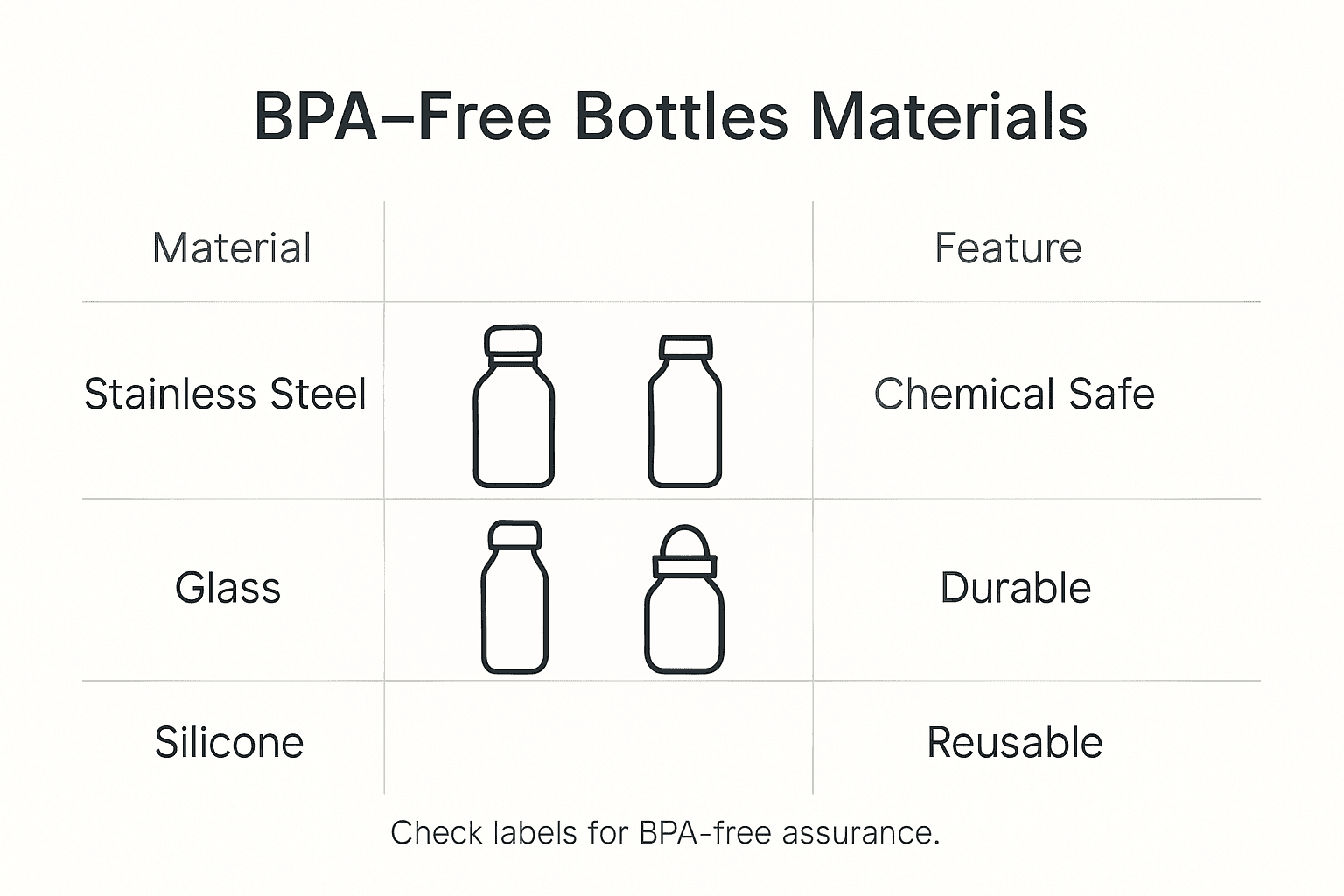
Modern BPA-free bottles are typically constructed using materials such as:
- High-quality stainless steel
- Borosilicate glass
- Advanced food-grade polypropylene
- Medical-grade silicone
Each material offers unique advantages in preventing chemical leaching while maintaining durability and safety standards. Stainless steel and glass options remain particularly recommended for consumers seeking maximum protection against potential endocrine-disrupting compounds.
Pro tip: When selecting a BPA-free bottle, always check the manufacturer’s detailed material specifications and look for third-party testing certifications to ensure comprehensive safety.
Understanding BPA and Its Health Risks
Bisphenol A (BPA) is a ubiquitous synthetic chemical with far-reaching health implications, deeply embedded in modern manufacturing processes. Public health research reveals that this industrial compound acts as a potent endocrine disruptor, interfering with critical hormonal systems and potentially triggering significant health complications. The chemical is predominantly found in polycarbonate plastics, epoxy resins, and numerous consumer products, making exposure nearly unavoidable in contemporary environments.
Medical experts at leading institutions have documented extensive health risks associated with BPA exposure. These potential consequences span multiple physiological systems, including:
- Reproductive toxicity
- Increased risk of certain cancers
- Compromised immune system function
- Developmental challenges
- Elevated blood pressure
- Higher probability of diabetes
- Potential cardiovascular disease complications
Particularly vulnerable populations include pregnant women, infants, and young children, whose developing biological systems can be more significantly impacted by hormonal disruptions. Regulatory agencies like the FDA continue to monitor BPA’s potential health effects, maintaining cautious guidelines while acknowledging the complexity of long-term exposure risks.
Pro tip: Minimize BPA exposure by avoiding heating plastics, choosing glass or stainless steel containers, and selecting products explicitly labeled as BPA-free.
Types of BPA-Free Bottles Explained
Polyethylene terephthalate (PET) bottles represent one of the most prevalent BPA-free bottle types in the modern marketplace. These containers are uniquely characterized by their recycling code #1, offering consumers a reliable alternative to traditional plastic bottles with potentially harmful chemical compositions. Unlike polycarbonate plastics, PET bottles are manufactured without BPA and have been extensively validated by international health regulatory agencies for their safety and chemical stability.
The landscape of BPA-free bottle materials is complex and continually evolving. Scientific research indicates that manufacturers often replace BPA with chemically similar compounds like BPS or BPAF, which may potentially carry comparable health risks. The primary alternative materials for BPA-free bottles include:
- Stainless Steel: Highly durable and non-reactive
- Borosilicate Glass: Heat-resistant and chemically inert
- Polypropylene: Lightweight and temperature-resistant
- Medical-Grade Silicone: Flexible and temperature-stable
Each material offers unique advantages in mitigating potential chemical exposure while providing practical hydration solutions. Glass and stainless steel remain top recommendations for consumers seeking maximum protection against potential endocrine-disrupting compounds, as these materials demonstrate the most consistent non-reactive properties across various environmental conditions.
Here’s a quick comparison of BPA-free bottle materials and their performance across key safety and usability factors:
| Material | Chemical Safety | Temperature Resistance | Environmental Impact |
|---|---|---|---|
| Stainless Steel | Excellent, non-reactive | Handles both hot/cold | Highly recyclable |
| Borosilicate Glass | Chemically inert | Very heat-resistant | Easily recyclable |
| Polypropylene | Lower chemical leaching | Moderate resistance | Partially recyclable |
| Medical-Grade Silicone | Good, stable properties | Safe for varied temps | Biodegradable variants |
Pro tip: Always check the recycling code and manufacturer specifications when selecting a BPA-free bottle to ensure you’re choosing the safest possible option for your health.
Comparing BPA-Free to Other Materials
Plastic bottles labeled as BPA-free have emerged as a seemingly safer alternative, but scientific research reveals significant complexities in their actual chemical composition. While these containers are marketed as a healthier option, many still contain alternative bisphenols like BPS and BPF that potentially pose similar endocrine-disrupting risks as the original BPA compound.
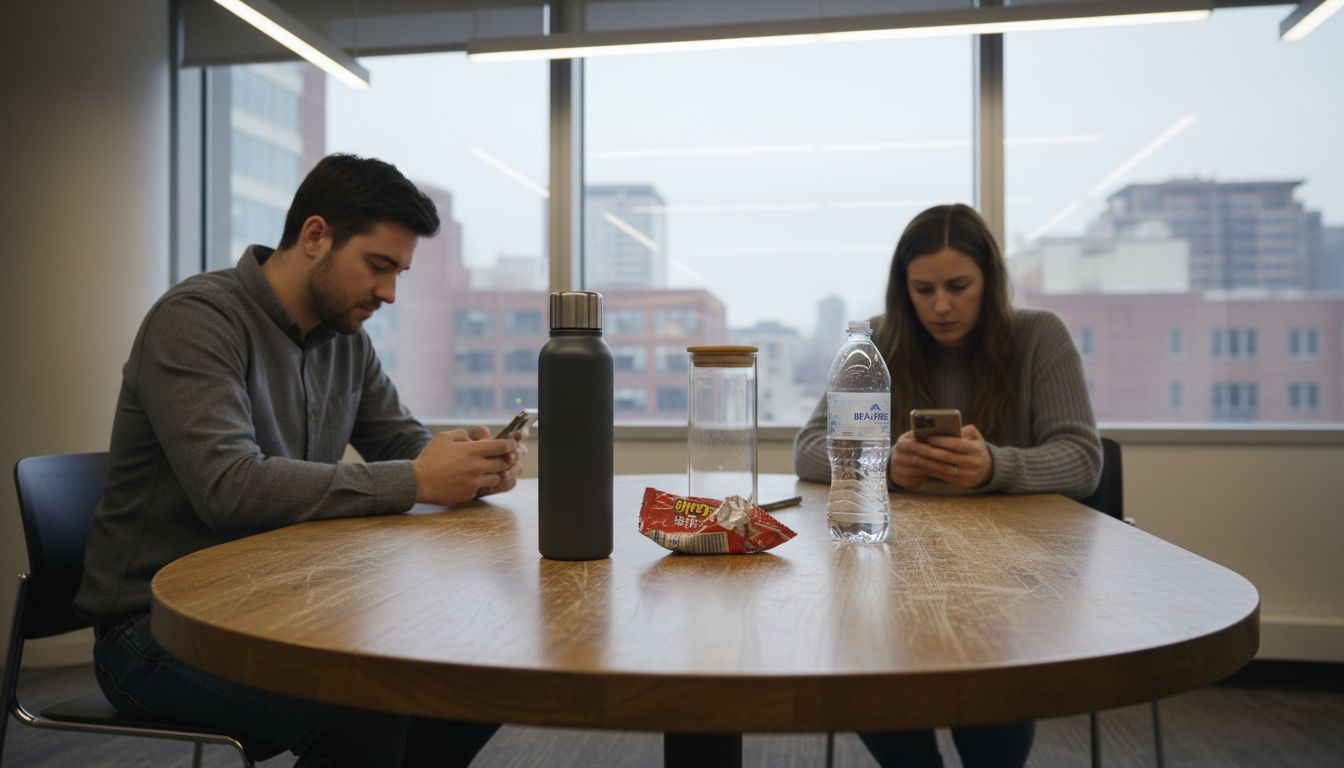
Comparative analysis of different bottle materials demonstrates clear advantages and limitations:
Plastic BPA-Free Bottles:
- Lightweight and inexpensive
- May still contain chemical substitutes
- Potential for degradation with repeated use
- Higher chemical leaching risks
Stainless Steel Bottles:
- Completely non-reactive
- Highly durable and long-lasting
- No chemical leaching
- Superior temperature resistance
- Environmentally sustainable
Comprehensive health studies consistently recommend stainless steel and glass as the most reliable materials for consumers seeking to minimize chemical exposure. These materials demonstrate remarkable stability across various environmental conditions, offering a robust alternative to potentially problematic plastic containers.
Pro tip: When selecting a water bottle, prioritize stainless steel or borosilicate glass to maximize your protection against potential chemical contamination.
Safety, Regulation, and Consumer Responsibility
Consumer safety in the realm of water bottles has become increasingly complex, with regulatory agencies worldwide grappling with the challenges of chemical management. Regulatory approaches to bisphenol chemicals continue to evolve, highlighting the critical need for proactive consumer awareness and informed decision-making. The United States Food and Drug Administration (FDA) has taken a cautious stance, banning BPA in baby bottles while maintaining that low-level exposure for adults remains acceptable.
In contrast, European regulatory bodies have implemented more comprehensive restrictions. The European Commission has instituted a comprehensive ban on BPA in food contact materials, including an 18-month phase-out period for products like reusable water bottles. This approach reflects a more stringent interpretation of scientific evidence surrounding potential health risks.
To help you stay informed, here’s a comparison of BPA bottle regulations across regions:
| Region | Regulation Approach | Key Restrictions | Phase-Out Timeline |
|---|---|---|---|
| United States | Partial ban in certain items | Baby bottles banned | Immediate for specific uses |
| European Union | Comprehensive restrictions | All food contact banned | 18 months for phase-out |
| Other Countries | Varies widely | Case-by-case bans | No universal timeline |
Consumer responsibility now extends beyond simple product selection and requires a more nuanced approach to understanding chemical compositions and potential health impacts. Key strategies for informed consumer protection include:
- Researching product materials thoroughly
- Understanding recycling codes and chemical compositions
- Avoiding products with known endocrine-disrupting chemicals
- Choosing bottles made from inert materials like stainless steel or borosilicate glass
- Staying informed about current scientific research and regulatory updates
Pro tip: Maintain a proactive approach to your health by regularly checking independent scientific sources and regulatory updates about chemical safety in consumer products.
Choose Safer Hydration with BPA-Free Bottles From EQUA
Navigating the challenges of chemical exposure from plastics can feel overwhelming. The article highlights the risks of Bisphenol A and its substitutes like BPS in everyday plastic bottles. If you want to protect your health and avoid endocrine disrupting substances, switching to trusted BPA-free bottles made from safe materials is essential. At Myequa.com, our collection features durable and stylish options designed to minimize these risks and support your wellness goals.
Explore our exclusive range of Bpa free water bottles by EQUA that prioritize your health without compromising on design. For those who love unique styles, check out the BPA free bottle with graphics by EQUA. Take advantage of our Black Friday deals now to invest in a safer, smarter hydration habit before the season ends. Visit Myequa.com to protect your wellbeing with every sip today.
Frequently Asked Questions
What are BPA-free bottles, and why are they important?
BPA-free bottles are drinking containers designed to eliminate exposure to Bisphenol A (BPA), a synthetic chemical linked to various health risks. Choosing BPA-free options helps minimize the potential for chemical leaching and hormonal disruptions, making them a safer hydration choice.
How do BPA-free bottles compare to traditional plastic bottles?
While traditional plastic bottles may contain BPA, BPA-free bottles utilize alternative materials that are less likely to leach harmful chemicals. However, some BPA-free bottles may still contain substitutes like BPS or BPAF, so it’s essential to choose high-quality materials like stainless steel or glass for maximum safety.
What materials are commonly used in BPA-free bottles?
Common materials for BPA-free bottles include stainless steel, borosilicate glass, polypropylene, and medical-grade silicone. Stainless steel and glass are often recommended for their durability and non-reactive properties, reducing the risk of chemical exposure.
How can I ensure the safety of my BPA-free bottle?
To ensure the safety of your BPA-free bottle, always check the manufacturer’s material specifications and look for third-party testing certifications. Additionally, avoid heating plastic bottles and opt for materials like glass or stainless steel, which are less likely to leach chemicals.
Recommended
Zdieľať
